



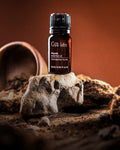

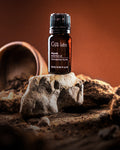
Cooking herbs and their essential oil counterparts are different forms of the same aromatic plants. Fresh or dried herbs such as cilantro, basil, oregano, and lemongrass are commonly used as food ingredients, while their essential oils are highly concentrated aromatic extracts typically used for diffusion or properly diluted topical applications. Essential oils should not be substituted for cooking herbs or assumed to be safe for ingestion simply because the plant itself is edible.
This is the easiest way to understand the relationship between cooking herbs and essential oils.
Hispanic Heritage Month always makes me think about food first.
Not just the dishes themselves, but everything that happens before the first bite. The sound of onions hitting a hot pan. Fresh cilantro being chopped on a cutting board. Garlic, oregano, basil, or lemongrass releasing their aroma as they're crushed between your fingers. Even before the food reaches the table, the kitchen already tells a story.
Herbs are a big part of that story.
Across many Hispanic and Latin American kitchens, herbs and aromatic ingredients help create the distinctive character of traditional dishes. And while cooking herbs belong in the kitchen, their essential oil counterparts offer an entirely different way to appreciate some of those familiar aromas.
That distinction is important. Culinary herbs and essential oils are not interchangeable ingredients. An herb is a whole plant material used in food, while an essential oil is a highly concentrated aromatic extract intended for uses such as diffusion or properly diluted topical aromatherapy.
So, what happens when we take a familiar kitchen herb and explore its aromatic counterpart?
Let's take a little tour from the kitchen to the diffuser and look at coriander, cilantro, basil, lemongrass, and oregano along the way.
From Kitchen to Diffuser
When you chop fresh cilantro, you are working with plant material that can be added to salsa, soups, marinades, rice, tacos, and countless other dishes. When you smell cilantro or coriander essential oil, you're experiencing a concentrated aromatic extract with a much more intense scent profile.
The same principle applies to basil, lemongrass, and oregano.
I like thinking of it as two different expressions of the same aromatic world. One belongs on the cutting board, while the other can become part of an aroma ritual.
And that is where cooking herbs and essential oils become especially interesting.
The kitchen gives us familiar scent memories. Aromatherapy lets us revisit some of those aromatic notes in a completely different setting.
A simple herb to oil guide
| Cooking Herb | Essential Oil Counterpart | Aroma Profile | Aromatic Use |
|---|---|---|---|
| Coriander seeds | Coriander Seed Essential Oil | Warm, spicy, slightly citrusy | Diffuser blends and aromatic rituals |
| Cilantro | Cilantro Essential Oil | Fresh, green, herbaceous | Scent exploration and diffusion |
| Basil | Basil Essential Oil | Fresh, herbal, slightly sweet | Diffuser and personal aroma blends |
| Lemongrass | Lemongrass Essential Oil | Citrusy, grassy, fresh | Diffuser blends and aromatic spaces |
| Oregano | Oregano Essential Oil | Strong, herbal, spicy | Carefully diluted aromatic applications |
The important thing is not to think of these oils as replacements for the herbs you cook with. Essential oils are highly concentrated aromatic materials, so they should be viewed as aromatic counterparts rather than direct substitutes for fresh or dried culinary herbs.
Herb ↔ Oil Pairings
If you've spent time around a busy kitchen, you already know how much an herb can change the character of a dish.
A handful of cilantro can make something taste fresher. Basil can make a simple tomato dish feel instantly more aromatic. Lemongrass can introduce a bright citrusy note, while oregano can bring a distinctly savory herbal character.
Essential oils work with aroma in much the same way, although at a much greater concentration.
Here are four pairings worth exploring.
Coriander & Cilantro
Coriander and cilantro can be confusing because they come from the same plant.
In the United States, cilantro generally refers to the fresh leaves and stems of the plant, while coriander usually refers to the dried seeds. That means coriander essential oil and cilantro oil can have noticeably different aromatic personalities even though they come from the same botanical source.
Coriander essential oil tends to have a warm, spicy, slightly citrusy aroma. It's softer and rounder than many people expect from a spice-derived oil.
Cilantro oil, on the other hand, can have a much greener and more distinctly herbaceous character.
This is where the question of coriander vs cilantro oil gets interesting.
They're related, but I wouldn't describe them as identical.
If you love fresh cilantro in homemade salsa or a bowl of rice and beans, you may recognize the green herbal connection in cilantro oil. If coriander seeds are more familiar to you from spice blends and cooking, coriander essential oil offers a warmer interpretation of that aromatic profile. It sits with our spicy oils alongside cumin and chili.
I particularly like coriander in diffuser blends when I want something that feels warm and gently spiced without becoming overwhelmingly heavy.
And if you're exploring essential oils that smell like herbs, coriander and cilantro are two very different directions worth smelling side by side.
Basil
Basil is one of those herbs that can instantly make a kitchen smell like something delicious is happening.
Even before you taste it, you know it's there.
Fresh basil has a green, slightly sweet, unmistakably herbal aroma. Basil essential oil captures part of that aromatic personality in a much more concentrated form.
So, what does basil oil smell like?
Basil essential oil typically smells fresh, green, herbal, and slightly sweet, with a clean aromatic quality that can feel brighter than dried basil.
The exact aroma can vary depending on the botanical source, extraction method, and chemotype, so two basil oils don't necessarily smell exactly alike.
For me, basil is particularly interesting in diffuser blends because it can bridge the gap between fresh green notes and warmer, more complex aromas.
Try pairing a small amount with citrus oils for a bright kitchen-inspired atmosphere, or combine it with woody notes when you want something deeper.
And there's something nostalgic about it. A basil aroma can immediately take me back to a kitchen counter covered with fresh ingredients, even when there isn't a pot simmering on the stove.
Lemongrass
Lemongrass is technically not a traditional Hispanic culinary herb in the same way cilantro or oregano may be associated with many Latin American recipes, but its fresh, citrusy character makes it an interesting aromatic addition to this herb-to-oil conversation.
Lemongrass essential oil has a bright, grassy, citrus-like aroma that can make a space feel fresh and lively.
It is one of the easiest oils to recognize by scent.
If you've ever crushed fresh lemongrass between your fingers, you'll understand the appeal immediately. The essential oil takes that recognizable citrusy-green character and concentrates it.
I like lemongrass when I want a diffuser blend to feel energetic and clean rather than warm and cozy.
Try it with a citrus oil for a bright daytime blend, or soften it with cedarwood for something more grounded.
Because lemongrass essential oil is concentrated, I would not use it in the same casual way you might squeeze fresh lemongrass into a recipe. Aromatic enjoyment and culinary use are two different things.
Oregano
Oregano might be one of the most recognizable herbs on this list.
Its aroma is strong, savory, herbal, and slightly spicy. It can completely change the character of a tomato sauce, roasted vegetables, marinades, or seasoning blends.
Oregano essential oil is even more concentrated in aroma.
That makes it an interesting oil for experienced aromatherapy users, but it is not one I'd suggest casually applying to skin or experimenting with at high concentrations.
If you're building a collection of culinary herb essential oils, oregano is a good example of why the word "essential oil" should immediately make you think "concentrated."
A little goes a long way.
Why Herb Aromas Feel So Familiar
There's a reason kitchen-inspired aromas can feel so personal.
Scent is closely connected with memory and atmosphere. A particular herb can remind you of a family kitchen, a holiday meal, a restaurant, or something your grandmother used to cook.
For me, that's part of what makes aromatic exploration so enjoyable.
I'm not trying to recreate a recipe with an essential oil. I'm interested in recreating the feeling of that aromatic environment.
A basil-inspired diffuser blend can make a room feel fresh and green.
Coriander can introduce warmth.
Lemongrass can make the atmosphere feel bright and lively.
Cilantro can bring an unusual green, unmistakably herbal note.
These aren't replacements for food. They're simply another way to experience familiar plant aromas.
A Note on Ingesting Oils
This is the part where it's important to draw a firm line between culinary herbs and essential oils.
Essential oils should not automatically be considered safe to ingest simply because the plant itself is commonly eaten.
Fresh cilantro, basil, lemongrass, oregano, and coriander seeds are food ingredients. Their essential oils are highly concentrated extracts, and the fact that they come from a culinary plant does not make them interchangeable with the food itself.
That's particularly important when you're searching for cooking herbs and essential oils online. A recipe using fresh oregano does not mean you can substitute oregano essential oil for the herb.
I recommend keeping essential oils intended for aromatherapy separate from your cooking ingredients unless a product is specifically labeled and formulated for culinary use and you have appropriate professional guidance.
For Gya Labs aromatherapy products, the safest approach is to follow the product label and intended use rather than treating an essential oil as a pantry ingredient.
If your goal is to enjoy the aroma, diffusion is a much simpler option.
And if you're using an essential oil topically, dilute it appropriately in a suitable carrier oil and follow the product's safety instructions. Our guide to using essential oils covers dilution and diffusion properly.
How to Enjoy Culinary Herb Essential Oils at Home
You don't need an elaborate aromatherapy setup.
A diffuser is enough to start exploring these scents.
For a fresh daytime atmosphere, try a simple combination built around lemongrass and basil.
For something warmer, coriander can work beautifully with a woody oil.
If you love green herbal aromas, cilantro oil offers something completely different from the more familiar citrus and floral oils found in many diffuser blends.
The trick is to start small.
Essential oils are concentrated, so you don't need a large amount to notice them. I prefer adding one oil at a time when testing a new combination. That makes it much easier to understand the character of each aroma before building a more complicated blend.
A fresh herb-inspired diffuser blend
Try:
-
2 drops lemongrass essential oil
-
1 drop basil essential oil
-
1 drop coriander essential oil
Add the oils according to your diffuser manufacturer's instructions and enjoy the aroma in your space.
The lemongrass provides the bright opening, basil adds a fresh green character, and coriander rounds things out with a warmer note.
It's not meant to smell exactly like a kitchen. That's the fun of it.
It takes familiar ingredients and gives them a new aromatic interpretation. If you like this direction, our citrus and spice diffuser blends go further with it.
Which Herb Oils Feel Calming or Energizing?
Essential oils don't need to be divided into strict "calming" and "energizing" categories.
A better way to think about them is in terms of aroma character and the atmosphere you personally enjoy.
For a softer, more grounded atmosphere, I tend to reach for warm aromatic oils such as coriander or pair herbaceous notes with woody oils.
For a fresher daytime feel, lemongrass and basil can work well because their aromas are bright and green.
Peppermint can also bring a particularly crisp quality to a blend, although it isn't a culinary herb in the same sense as the oils we're exploring here.
Your response to an aroma is personal, too. One person's relaxing scent can be another person's "I need the window open" scent.
That's why smelling an oil and experimenting with small diffuser blends is often the best way to discover what you actually enjoy.
Can You Cook With Essential Oils?
This is one of the most common questions around culinary herb essential oils, and the answer isn't as simple as "yes" or "no."
Do not use an essential oil for cooking unless the specific product is explicitly intended and labeled for culinary use and you have clear directions for that application.
A standard aromatherapy essential oil should not be treated as a direct replacement for fresh or dried herbs.
For everyday cooking, stick with the actual herb.
Use fresh cilantro when your salsa needs cilantro. Use fresh basil when you're making a basil-forward dish. Use dried oregano when a recipe calls for oregano.
Use aromatherapy essential oils for their intended aromatic purposes.
Keeping those two applications separate makes your routine much simpler and avoids assuming that something is food-safe simply because it came from a plant you recognize.
Bringing the Kitchen Into Your Aromatherapy Routine
Hispanic Heritage Month is a wonderful opportunity to appreciate the ingredients, recipes, traditions, and sensory experiences that connect food with culture.
And sometimes that appreciation begins with something as simple as an herb.
Cilantro on a cutting board.
Oregano being rubbed between your fingers.
Fresh basil picked from a pot.
The bright citrusy scent of lemongrass.
The warm aroma of coriander.
These familiar scents don't have to stay in the kitchen. Their essential oil counterparts offer another way to explore those aromatic profiles through diffusion and other appropriate aromatherapy applications.
The important thing is understanding the difference.
Cooking herbs belong in recipes. Essential oils are concentrated aromatic extracts that should be used according to their intended purpose and safety directions.
Once you make that distinction, exploring culinary herb essential oils becomes much more straightforward.
For me, that's the most interesting part of this entire herb-to-oil journey. The goal isn't to replace the ingredients we cook with. It's to discover how familiar aromas can take on an entirely different character outside the kitchen.


