


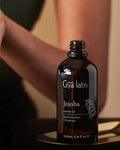

For a fresher smelling room, diffuse eucalyptus, lemon and tea tree. For something bright, use 3 drops lemon with 2 drops eucalyptus. For something greener, 2 drops each of eucalyptus and tea tree with 1 drop lemon. Follow your diffuser’s instructions and keep the room ventilated.
When fall arrives, I love the change in the air outside. Cooler mornings, crisp evenings, and that unmistakable seasonal feeling make staying indoors more inviting. But there is one downside to shutting the windows more often: after a while, the house can start to smell a little stale.
Maybe it's the living room after a rainy weekend. Maybe it's a bedroom that hasn't had much airflow. Or maybe the kitchen, hallway, and other closed rooms simply need a fresher atmosphere.
That's where I reach for my diffuser.
A few carefully chosen essential oils can make a room smell noticeably fresher without relying on heavy sprays or overpowering fragrances. My favorites for this are eucalyptus, tea tree and lemon. Each has a distinct aroma, and they can be blended in different ways depending on whether I want something bright, crisp, green, or simply clean.
The important distinction is that diffusing essential oils is about freshening the scent and atmosphere of a room, not replacing ventilation or an air purifier.
Why Closed Up Homes Feel Stuffy
There is a simple reason a home starts feeling less fresh when the windows stay shut.
Everyday household smells never get the chance to clear. Cooking lingers for hours and settles into fabric. Sofas, curtains and rugs hold on to pet smells, candle smoke and cleaning products. Add moisture from showers and wet coats and you get that closed in, slightly musty character.
Then there is the simple fact that we become accustomed to familiar smells.
I notice this most when I return home after being outside for a while. A room that seemed completely normal before suddenly smells different. Nothing dramatic has necessarily happened. It is simply easier to notice the character of an indoor space when you've had a break from it.
This is where a diffuser blend can be useful.
Rather than trying to cover every household smell with a strong fragrance, I prefer lighter blends that make the room smell cleaner and more inviting.
Of course, fresh air starts with the basics. Opening windows when the weather allows, taking out rubbish, washing fabrics regularly, and keeping damp areas dry all make a noticeable difference. A diffuser is one small part of that routine.
Fresh, Clean Smelling Oils
Some essential oils naturally lend themselves to fresh blends. The three I return to most often are eucalyptus, tea tree and lemon.
Eucalyptus
Eucalyptus has a distinctive cool, green, refreshing aroma. It is one of my favorite choices when a room feels closed up, because its scent immediately changes the character of the space.
It works particularly well in living rooms, entryways, home offices, and anywhere you want something crisp without a sweet fragrance.
I usually pair it with citrus rather than using it by itself. Lemon softens the sharper green edge and gives the blend a brighter finish.
Tea Tree
Tea tree has a clean, herbal aroma with a slightly medicinal character. Because it is quite distinctive, I prefer using it as part of a blend rather than making it the entire scent profile.
A small amount adds depth, particularly alongside citrus or woody oils.
If you're sensitive to strong aromas, start with fewer drops. Tea tree becomes noticeable very quickly.
Lemon
Lemon is probably the easiest oil to reach for when I want a room to smell instantly brighter.
Its fresh citrus aroma works beautifully in kitchens, living spaces, work areas, and entryways. It also blends easily with eucalyptus and tea tree, which makes it a useful base for several different fresh home blends.
If I had to pick one oil for someone completely new to diffusing, lemon would be high on my list, simply because it is so easy to work into everyday blends. It sits with the rest of our citrus oils if you want to try others.
Fresh Air Diffuser Blends
You don't need a complicated formula to make your home smell fresher.
I prefer blends with just two or three oils. They're easier to make, easier to adjust, and less likely to leave you wondering which ingredient made the aroma too strong.
Here are three combinations I particularly like for fall.
Bright and Clean
This is my choice when a room feels stale and I want something fresh, bright and uncomplicated.
• 3 drops lemon essential oil
• 2 drops eucalyptus essential oil
Add the oils to your diffuser according to the manufacturer's instructions, along with the recommended amount of water.
The lemon gives the blend its bright citrus character, while eucalyptus adds a crisp green note underneath it.
I especially like this combination in the morning or after cooking. It makes the room feel refreshed without the heavy fragrance cloud you sometimes get from room sprays.
If you want a slightly deeper version, add 1 drop of tea tree.
That small addition changes the blend considerably. It gives the citrus and eucalyptus a more herbal edge while keeping the overall aroma fresh.
Crisp and Green
When I want something less citrus forward, I go for this combination.
• 2 drops eucalyptus essential oil
• 2 drops tea tree essential oil
• 1 drop lemon essential oil
The eucalyptus and tea tree create the main green and herbal character, while lemon keeps the blend from becoming too sharp.
This works particularly well in rooms that have been closed for a while, such as guest rooms, bedrooms, or home offices.
It's also a good example of why you don't need a large number of oils to create an interesting blend. There are more two and three oil combinations in our diffuser blends guide.
A Simple Citrus Refresh
If you prefer your home to smell more citrusy than herbal, keep it even simpler.
• 3 drops lemon essential oil
• 1 drop eucalyptus essential oil
This is the one I use when I want the room to smell clean without thinking about it much.
It's especially nice in the kitchen after preparing a meal, or in the living room before guests arrive.
How to Freshen Indoor Air Naturally
If your goal is to freshen indoor air naturally, I would start with the room rather than the diffuser.
First, give the space some airflow whenever conditions allow. Open a window or door for a while if the weather, outdoor air quality, and your home's setup make that practical.
Next, find where the stale smell is coming from.
Is there a damp towel sitting around? A full rubbish bin? A fabric sofa that needs cleaning? Shoes near the door? Food left out in the kitchen?
A diffuser cannot solve the source of a household odor. It can only change the aroma you notice in the room.
Once the basics are handled, that's when I add an aromatic blend.
This works better than trying to mask every smell with more and more fragrance.
What Diffusing Can and Cannot Do
There is a lot of language around essential oils that can make them sound like something they aren't.
You may come across terms such as purifying essential oils, air cleansing, or similar claims. I would be careful with that wording.
Essential oils can make a room smell fresher and change its aromatic atmosphere. They do not turn a diffuser into an air purifier.
That's an important distinction.
If your home needs better ventilation, humidity control, filtration or cleaning, address those directly. A diffuser sits alongside those habits, as a way of creating a pleasant-smelling environment.
Think of it this way: an air purifier is designed for air filtration. A diffuser is designed to disperse an aroma.
They serve different purposes.
How Long Should You Diffuse?
There isn't one universal diffusion time that works for every diffuser, room, or person.
The best place to start is your diffuser manufacturer's instructions. Room size, water capacity, oil concentration and diffuser design all affect how quickly an aroma spreads.
I also prefer shorter sessions to running a diffuser continuously.
If the aroma becomes overwhelming, that's usually a good sign to stop and let the room air out.
Your nose also adapts to familiar scents. After a while you may stop noticing the aroma even though other people walking in still can.
So I don't keep adding more drops just because I personally cannot smell the blend anymore.
More oil doesn't mean a better experience.
Can You Diffuse With the Windows Open?
Yes, when conditions allow, and it is one of my favorite approaches.
Open the windows for a while to bring fresh outdoor air into the space, then close them and use a light blend afterward.
The diffuser isn't competing with ventilation. It's adding an aroma you enjoy on top of it.
Skip the window part if outdoor conditions make it impractical, such as poor air quality, extreme weather, or when opening up would simply create another problem.
Which Oils Work Best for Household Odors?
When I'm trying to make a room smell fresher, I reach for oils with bright, crisp, citrus, green or herbal aromas.
Lemon is excellent when I want a clean citrus character.
Eucalyptus brings a cool, green note.
Tea tree adds an herbal sharpness.
You can also experiment with oils such as peppermint , rosemary, pine or cedarwood, depending on the atmosphere you want.
The trick is not to throw everything into the diffuser at once.
Start with two oils.
Once you know what you like, introduce a third.
That's how you find combinations that suit your home, instead of a scent that smells like several essential oils competing for attention.
Pet Notes
This is one area where I recommend being especially careful.
Essential oils are highly concentrated, and pets respond to aromatic compounds differently from people. Safety varies by species, by individual animal, by the oil, and by how much exposure there is.
If you have pets, don't assume an oil is safe simply because it is natural.
Two of the three oils in this article are worth singling out. Eucalyptus and tea tree are both on the caution list in our pet safe essential oils guide, so if you have cats or dogs at home, read that first and choose a different blend. Lavender, chamomile, frankincense and cedarwood are the ones that guide points to instead.
Keep pets away from the diffuser while it is running, ventilate the room, and never apply concentrated oils to an animal. Birds are especially sensitive to airborne fragrance of any kind.
If you're unsure about a particular oil, or your pet has a respiratory or other sensitivity, check with a veterinarian before diffusing near them.
When in doubt, diffuse in a room the animals do not use, with the door open.
My Simple Fall Diffusing Routine
I don't think freshening a home needs to become another elaborate ritual.
Mine is very simple.
In the morning I'll choose something bright, lemon and eucalyptus, particularly if the house has been closed overnight.
In the afternoon I might switch to something greener, eucalyptus and tea tree.
In the evening, I usually prefer softer aromas to a sharp citrus blend.
The key is matching the aroma to the moment, instead of hunting for one blend that does everything.
And I don't diffuse continuously.
A short session is often enough to change how a room smells.
Common Mistakes to Avoid
Using too many drops
More essential oil isn't automatically better. Start with a small amount and adjust according to your diffuser's instructions and your own preference.
Trying to mask the source of an odor
If the rubbish needs taking out, take it out. If a towel is damp, dry it. If a room has a moisture problem, deal with that directly.
A diffuser should complement household cleaning, not replace it.
Making every blend extremely strong
A pleasant aroma should still let you sit comfortably in the room. If you walk into a space and immediately notice an overpowering fragrance, you've gone too far.
Treating a diffuser like an air purifier
This is the biggest misconception of the lot. A diffuser changes the aroma of a room. It is not a substitute for ventilation, filtration, or ordinary cleaning.
Final Thoughts
A stuffy fall home rarely needs a complicated fix. It needs some air moving through it, a quick reset of the room, and a smell you actually like.
For me that starts with lemon, eucalyptus and tea tree. Lemon keeps things light, eucalyptus brings the green crispness, and tea tree adds the herbal note that holds the other two together.
Try Bright and Clean when you want something citrusy, or Crisp and Green when you prefer herbal.
And remember the important part: a diffuser is there to make your home smell fresher and create a pleasant atmosphere. It is not a replacement for opening a window, cleaning the room, or using proper filtration when those are what the room needs.
Sometimes the simpler approach really does make the biggest difference.