



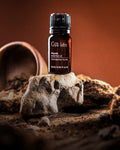

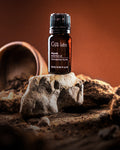
Roman chamomile essential oil is best known for its soft, apple-sweet aroma and its traditional use in calming aromatherapy rituals. It can be used in bedtime diffusion, personal fragrance, and properly diluted skincare routines, including routines designed for dry-looking or sensitive skin.
Roman chamomile is one of those essential oils that feels easy to love. Its soft, apple-like aroma is gentle, slightly sweet, and comforting without being overly floral. If you're looking for an oil to make your evening routine feel calmer or want a simple aromatic addition to a sensitive-skin care ritual, roman chamomile essential oil is worth getting to know.
I've always found chamomile interesting because it doesn't need to dominate a blend to make its presence known. A few drops can soften sharper aromas and give a blend a warm, peaceful character. It's also versatile enough to move from a bedtime diffuser to a carefully diluted skincare blend.
In this guide, I'll walk through roman chamomile benefits, traditional uses, bedtime rituals, sensitive-skin applications, the difference between Roman and German chamomile, dilution basics, and some of my favorite ways to blend it.
Meet Roman Chamomile
Roman chamomile comes from Chamaemelum nobile, a small flowering plant with daisy-like blooms. Its essential oil is prized for an aroma that's noticeably different from the stronger, more herbaceous scent you might associate with some other chamomile varieties.
For me, the first thing that stands out is the sweetness. Roman chamomile has a soft, fruity character with gentle herbal and floral notes. Think fresh apples with a subtle green, meadow-like quality in the background.
That makes it particularly useful when you're building a blend that needs to feel soft rather than sharp.
The appeal of roman chamomile uses also comes from its versatility. You can incorporate it into a diffuser blend before bed, add a properly diluted amount to a personal-care formula, or combine it with other essential oils to create a softer aromatic profile.
It's also one of the oils I like when I don't want an aroma to feel overly complicated. Roman chamomile can stand on its own, but it also plays nicely with woods, florals, citrus oils, and other calming essential oils.
What makes Roman chamomile special?
There are several reasons this oil has remained popular in aromatherapy:
- It has a soft, sweet, apple-like aroma.
- It works well in relaxing evening blends.
- It can complement gentle skincare routines when properly diluted.
- It blends easily with both floral and woody essential oils.
- Its aroma is approachable for people who don't usually enjoy floral oils.
If you're new to chamomile oils, I'd start by smelling Roman chamomile on its own. Understanding its character makes it much easier to decide which blends you want to create with it.
A Calming Scent for Bedtime
Some evenings call for something more relaxing than another screen, another email, or another cup of coffee.
That's where a simple aromatic ritual can make a difference to the atmosphere.
Chamomile oil for sleep is a popular search because many people associate chamomile with peaceful bedtime routines. From an aromatherapy perspective, Roman chamomile is particularly appealing because its gentle aroma can help create a quiet, comforting environment as you transition from the activity of the day to your evening routine.
That doesn't mean the oil guarantees sleep or treats sleep problems. Instead, think of it as part of the ritual surrounding bedtime.
I like the idea of making the routine predictable. Dim the lights, put the phone away, start a diffuser with a gentle blend, and give yourself a few minutes to slow down.
Simple Roman Chamomile Bedtime Diffuser
Try this combination:
Add the oils to your diffuser according to the diffuser manufacturer's instructions.
The Roman chamomile brings sweetness, lavender keeps the blend soft and familiar, and cedarwood adds a warm woody base.
If you prefer something even simpler, use Roman chamomile on its own. Sometimes one well-chosen oil is all you need.
Make it part of a ritual
The most useful way to approach bedtime aromatherapy is to make it consistent.
You could diffuse Roman chamomile while:
- Reading a book
- Stretching gently
- Journaling
- Preparing for bed
- Taking a few quiet minutes away from screens
The goal isn't to make a dramatic promise about what the oil will do. It's simply about creating an environment that feels pleasant and relaxing. Roman chamomile sits in our sleep and relaxation range alongside the other oils people reach for at that hour.
And that's one reason Roman chamomile belongs among the calming essential oils commonly chosen for evening routines.
Gentle Care for Sensitive Skin
Roman chamomile isn't limited to the diffuser.
When properly diluted in a suitable carrier oil, it can also be incorporated into personal-care routines for skin that tends to prefer a simple ingredient list.
If you're interested in chamomile oil for skin, start with the word "gentle." No need to get complicated and throw in all ten of your oils. Using a less complex combination also helps simplify what you are truly using.
Roman chamomile can be paired with carrier oils such as jojoba, sweet almond, or fractionated coconut oil to create a lightweight aromatic body or facial oil.
Roman Chamomile for Dry-Looking Skin
For a simple roman chamomile for dry-looking skin blend, try:
- 1 tablespoon jojoba oil
- 1 drop Roman chamomile essential oil
Mix thoroughly in a clean, suitable container and apply a small amount to clean skin.
The carrier oil does most of the heavy lifting when it comes to the feel of the formula. Roman chamomile contributes its soft aroma and can make the application feel more like a relaxing self-care ritual.
If used in the face, keep diluted at low percentage & patch test 1st.
My favorite pairing is jojoba, for its light and smooth feel appropriate in basic personal care recipes.
Keep sensitive-skin routines simple
If your skin is easily bothered by new products, more isn't necessarily better.
Start with one carrier oil and one essential oil. Use a small amount and see how your skin responds before making the formula more complicated.
Also remember that "natural" doesn't automatically mean "risk-free." Essential oils are concentrated botanical extracts, so even gentle-smelling oils need to be handled thoughtfully.
Roman vs German Chamomile
Roman and German chamomile are often grouped together because they share the chamomile name, but they aren't the same essential oil.
Roman chamomile comes from Chamaemelum nobile, while German chamomile comes from Matricaria chamomilla.
Their aromas and appearances can also differ.
| Feature | Roman Chamomile | German Chamomile |
|---|---|---|
| Botanical name | Chamaemelum nobile | Matricaria chamomilla |
| Aroma | Soft, sweet, apple-like, herbal | Stronger, herbaceous, earthy |
| Overall character | Gentle and fruity | Rich and intensely herbal |
| Popular aromatherapy use | Bedtime and relaxing blends | Aromatic and personal-care blends |
| Best pairing style | Lavender, cedarwood, frankincense | Lavender, geranium, woody oils |
If your preference is a soft, slightly fruity chamomile aroma, Roman chamomile is likely the better match.
German chamomile has a much more pronounced herbal personality. Neither is inherently "better." They simply offer different aromatic experiences. If you want the full breakdown, we compare them side by side in our Roman versus German chamomile guide.
How to Use & Dilute Roman Chamomile
The easiest way to enjoy Roman chamomile is through aromatic use.
Diffusion
Add Roman chamomile to your diffuser according to the manufacturer's recommended amount. You can use it alone or combine it with lavender, cedarwood, frankincense, or other oils you enjoy.
Diffusion is especially convenient because you don't need to formulate anything. Just choose your blend, follow the diffuser instructions, and enjoy the aroma.
Topical use
Never apply Roman chamomile essential oil directly to a large area of skin undiluted.
Instead, mix it into a carrier oil.
For general adult topical use, a 1% dilution is a sensible starting point for many everyday personal-care applications. A 2% dilution may be appropriate for some adult body-care applications, depending on the product and intended use.
For a simple starting point, that's approximately:
- 1 drop essential oil in 1 teaspoon of carrier oil for around a 1% dilution
- 2 drops essential oil in 1 teaspoon of carrier oil for around a 2% dilution
These are general aromatherapy guidelines rather than a guarantee that every person will tolerate the blend. Our step by step dilution guide has the full table.
What about children?
This is where it's especially important not to assume that an oil that's gentle for adults is automatically suitable for children.
For babies and very young children, avoid using essential oils unless specifically advised by an appropriately qualified professional. For older children, follow the essential-oil manufacturer's age guidance and use only appropriately diluted preparations.
If you're making a blend for a child, don't simply use an adult dilution. Our kid safe dilution guide has worked examples. Children's skin and exposure needs are different, and age-specific guidance matters.
Blends & Pairings
Roman chamomile has a remarkably flexible aroma.
Its apple-sweet character can soften stronger oils and give a blend a more rounded finish.
Here are some combinations worth trying.
Roman Chamomile + Lavender
This is probably the first combination I'd suggest for someone who wants a straightforward evening blend.
- 3 drops lavender
- 2 drops Roman chamomile
Diffuse according to your diffuser's instructions.
The result is soft, floral, slightly sweet, and easy to enjoy.
Roman Chamomile + Cedarwood
Want something warmer and less floral?
Try:
- 2 drops Roman chamomile
- 2 drops cedarwood
- 1 drop frankincense
This creates a balanced aroma with sweetness on top and a warm, woody base.
Roman Chamomile + Frankincense
Frankincense gives Roman chamomile a deeper, resinous character.
Try:
- 3 drops Roman chamomile
- 2 drops frankincense
It's extra special for those quiet moments in the evenings, with mediation, or doing some writing.
Roman Chamomile + Bergamot
For something brighter:
- 2 drops Roman chamomile
- 2 drops bergamot
- 1 drop cedarwood
The citrus note keeps the blend fresh while Roman chamomile adds softness.
If you're building your own blends, remember that you don't need to use every oil you own. Two or three complementary aromas are often enough.
Safety Notes
Essential oils are concentrated, so a few basic precautions go a long way.
Dilute before applying to skin
Always dilute Roman chamomile essential oil with an appropriate carrier oil prior to any topical applications.
Common carrier oils include jojoba oil, coconut oil, and sweet almond oil.
Patch test first
Prior to applying new topical mixtures to a larger skin area, a small portion of skin should be patch-tested and monitored for skin reactions.
If irritation occurs, discontinue use.
Don't ingest it
Essential oils aren't the same as culinary herbs. Roman chamomile essential oil should not be taken internally unless a qualified professional specifically recommends an appropriate product and method.
Keep it away from the eyes
Avoid contact with the eyes and other sensitive areas.
Store it properly
Make sure that the bottle remains tightly sealed and keep it stored in a cool, dark location, out of direct light or excessive heat. Also keep essential oils out of the reach of children and animals.
Be cautious with sensitive skin
Even an oil with a soft aroma can cause a reaction in some individuals. If you have particularly reactive skin or are unsure whether an essential oil is suitable for you, speak with a qualified healthcare or aromatherapy professional before use.
The important thing to remember is that "gentle" describes the aromatic character of Roman chamomile. It doesn't mean you can skip dilution or basic safety practices.
Final Thoughts
Roman chamomile does not have to be difficult. It really stands for its versatility - no matter if you need it for that gentle scent in your evening ritual, want to diffuse it along with Lavender, or add appropriately diluted to a basic skincare routine.
If you're just starting to explore roman chamomile essential oil, I'd keep things simple. Start on its own, before you try it out with usual friends like Lavender, Cedarwood and Frankincense.
And if you're choosing between Roman and German chamomile, let your nose make the final decision. Roman chamomile is softer and sweeter, while German chamomile brings a stronger herbal character.
For me, that's what makes Roman chamomile such a useful addition to an essential oil collection. It's gentle in character, versatile in blends, and easy to work into the small rituals that make an everyday routine feel a little more intentional.