



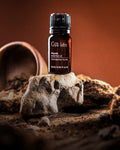

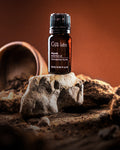
The oil cleansing method is a skincare technique that uses carrier oils to dissolve makeup, sunscreen, excess sebum, and daily buildup before gently removing them with a warm, damp washcloth. Choosing a carrier oil that suits your skin type helps create a cleansing routine that leaves skin feeling clean, comfortable, and balanced.
The first time someone told me that "oil cleanses oil," I laughed.
It sounded completely backwards. If my skin already produced oil, why would I massage even more onto my face?
A few years later, after experimenting with the oil cleansing method, I understood why so many skincare enthusiasts keep coming back to it. The right carrier oil can help dissolve makeup, sunscreen, and excess sebum while leaving your skin feeling comfortable instead of stripped.
The secret isn't using just any oil.
It's choosing the right one for your skin type.
No matter whether you've got oily skin, dry skin, combination skin, or a bit of everything else, here is a breakdown of a routine that can easily be incorporated into your nighttime skincare without it feeling like a science experiment.
How the Oil Cleansing Method Works
Most conventional cleansers contain surfactants used to strip dirt, oil, and makeup from the surface. Some are a better choice than others, but many leave our skin tight with continued use.
The oil cleansing method takes a different approach.
Instead of trying to remove every trace of oil from your face, it uses carrier oils to gently loosen makeup, sunscreen, excess sebum, and daily buildup. A warm, damp cloth then helps lift everything away.
I've found this especially useful after wearing sunscreen all day. Rather than scrubbing my face with multiple cleansers, I can massage in a carrier oil for a minute or two before wiping it away with a warm washcloth.
The result?
My skin feels cleansed but never squeaky.
That's an important distinction because squeaky clean often means you've removed more oil than your skin actually wanted to lose.
Another reason this method has become so popular is its flexibility. Unlike many cleansers designed for one skin concern, carrier oils can be mixed and adjusted depending on how your skin feels throughout the year.
My winter routine looks completely different from my summer routine and that's okay.
Best Carrier Oils by Skin Type
One of the biggest mistakes a beginner can make is thinking every carrier oil functions exactly the same as one another.
It doesn't.
Some feel as light as a whisper.
Others are richer and more nourishing.
Choosing the right oil is what makes the biggest difference.
|
Skin Type |
Recommended Carrier Oil |
Why It Works |
|
Oily or blemish-prone |
Jojoba Oil |
Lightweight and similar in feel to the skin's natural sebum |
|
Dry or mature |
Argan Oil |
Richer texture that leaves skin feeling nourished |
|
Combination |
Jojoba Oil + Castor Oil |
Helps balance oily and drier areas |
|
Normal |
Jojoba or Argan Oil |
Gentle everyday cleansing |
There isn't a universal "best" oil.
There is only the best oil for your skin.
Oil Cleansing for Oily and Blemish-Prone Skin
If you have oily skin, the idea of putting oil on your face probably feels counterintuitive.
I thought exactly the same thing.
But once I tried it, I realized the goal isn't adding more oil — it's using the right oil to dissolve excess surface oil before gently removing it.
Jojoba oil is one of my favourite options because it feels remarkably lightweight. It spreads easily, rinses away well with a warm cloth, and doesn't leave my skin feeling coated afterward.
That's one reason it's often recommended for people exploring the oil cleansing method for oily skin for the first time.
If you're also concerned about clogged pores, you may have come across the term non-comedogenic oils. These are oils that are generally considered less likely to leave a heavy residue on the skin. While everyone's skin is different, lightweight carrier oils such as jojoba are popular starting points for beginners.
My Experience Switching to Jojoba Oil for Oily Skin
I was expecting my skin to feel greasy when I swapped over from an intensive cleansing foam to jojoba oil in the evenings.
Instead… it just felt calm.
I still can't wrap my head around it — and more than anything, I learned that a little patience is all it takes.
Results didn't happen overnight, but after sticking with the routine consistently, my skin felt far less stripped after cleansing.
Oil Cleansing for Dry and Mature Skin
Dry skin usually asks for one thing.
Comfort.
That's where richer carrier oils can shine.
Argan oil has become one of my favourites because it leaves skin feeling soft without feeling excessively heavy.
After cleansing, my skin often feels comfortable enough that I don't immediately reach for another product. That's something I really appreciate during colder months when indoor heating tends to leave my face feeling tight.
If your skin often feels dry after washing, switching to a richer carrier oil may help create a more comfortable cleansing experience.
One thing I always remind people is that cleansing shouldn't leave your skin feeling uncomfortable. If it does, it may be worth reassessing both your cleanser and your technique.
Oil Cleansing for Combination Skin
Combination skin can be the trickiest to understand.
One area feels oily.
Another feels dry.
Sometimes both happen on the same day.
That is also why I prefer blending jojoba and castor oil rather than using only one carrier oil. It has a lighter feel thanks to jojoba but is much deeper on a cleansing level thanks to the castor oil. The right balance takes a bit of experimenting until you find what feels right for your skin.
Simple Starting Blend for Combination Skin
• 3 parts jojoba oil
• 1 part castor oil
From there, you can adjust depending on how your skin feels.
If your face starts feeling too dry, reduce the amount of castor oil. If it still feels very oily after cleansing, slightly increase it.
That's one of the things I enjoy about oil cleansing.
It's flexible.
Rather than buying multiple cleansers throughout the year, you can simply adjust your blend as your skin changes with the seasons.
Why Your Carrier Oil Choice Makes All the Difference
The carrier oil is the foundation of your routine.
Essential oils may be wonderful additions in certain personal care products, but for facial cleansing, carrier oils do the real work.
That's why I recommend spending more time choosing the right carrier oil than worrying about adding extra ingredients.
Simple routines are usually easier to stick with.
And in skincare, consistency almost always beats complexity.
How to Oil Cleanse: Step-by-Step Routine
One of the biggest myths about oil cleansing is that it takes forever.
It really doesn't.
Once you've done it a few times, the whole routine can take less than five minutes. I've found it's easiest to make it part of my evening skincare routine, especially after wearing sunscreen or makeup throughout the day.
What You'll Need for Oil Cleansing
• Your chosen carrier oil or custom oil blend
• A clean, soft washcloth
• Warm (not hot) water
• An optional gentle water-based cleanser if you prefer double cleansing
Step 1: Apply Carrier Oil to Dry Skin
Unlike many facial cleansers, the oil cleansing method works best before adding water.
Dispense about one to two teaspoons of your chosen oil into clean hands and gently massage it over your face. Spend a little extra time around the nose, chin, and forehead, where sunscreen, makeup, and excess oil often build up.
This usually takes about a minute. It feels calming and soothing, and allows the oil to loosen the day's accumulated buildup.
Step 2: Remove Oil with a Warm Damp Washcloth
Soak a clean washcloth in warm water and wring out the excess.
Lay it over your face for several seconds before gently wiping away the oil. There's no need to scrub. The warmth helps lift away the oil along with makeup, sunscreen, and daily impurities.
If there's still a little residue left, simply rinse the cloth and repeat the process.
Step 3: Should You Double Cleanse After Oil Cleansing?
Every few evenings, particularly if I've worn heavy makeup or used any long-lasting sunscreen, I double cleanse with oil followed by a gentle water-based cleanser.
Other nights, the oil cleanse alone feels perfectly sufficient.
There's no universal rule here. Let your skin guide you.
Step 4: Complete Your Skincare Routine
Once your skin is clean, continue with the rest of your routine.
For me, that's usually a hydrating serum followed by a lightweight moisturizer.
Keeping the rest of my routine simple makes it easier to stay consistent.
Castor Oil to Jojoba Oil Ratio: Finding Your Perfect Blend
One of the questions I hear most often is whether there's a perfect castor oil to jojoba oil ratio.
The short answer?
Not really.
Your ideal blend depends on how your skin feels rather than following a strict formula. That said, these starting points can make experimenting a little easier.
Oily Skin: Jojoba to Castor Oil Ratio
• 2 parts jojoba oil
• 1 part castor oil
This can give you a little extra cleansing strength without making the whole blend too heavy.
Combination Skin: Jojoba to Castor Oil Ratio
• 3 parts jojoba oil
• 1 part castor oil
This is usually where I recommend beginners start. It offers a balanced texture that's easy to adjust over time.
Dry Skin: Best Carrier Oil Blend
• 4 parts argan or jojoba oil
• A small amount of castor oil, or none at all
Dry skin often benefits from richer carrier oils, so don't feel like castor oil is a requirement. Sometimes a single carrier oil works beautifully on its own.
One thing I've learned over the years is that your blend doesn't have to stay the same forever. I often tweak mine depending on the season. During winter, my skin appreciates a richer blend, while summer calls for something lighter.
How Often Should You Oil Cleanse?
If you're new to oil cleansing, there's no need to dive in twice a day from the start.
I usually recommend beginning with two or three evenings a week.
This gives your skin time to adjust and helps you understand how it responds to your chosen carrier oil.
If your skin feels comfortable, you can gradually increase the frequency until it becomes part of your regular evening routine.
Morning cleansing is usually unnecessary for me. A splash of water or a gentle rinse is often enough, especially if I've already cleansed thoroughly the night before.
Consistency matters more than frequency.
A routine you enjoy and stick with will always outperform one that feels like a chore.
Oil Cleansing Purge: What It Is and How to Troubleshoot
One topic that often causes confusion is the so-called "oil cleansing purge."
You'll find real-life stories all over the internet of individuals who experience brief fluctuations in their skin after trying out a new cleansing routine. The important thing to remember is that everyone's skin responds differently to new products.
Sometimes the issue isn't the oil itself. It could be the amount used, the cleansing technique, or simply choosing a carrier oil that doesn't suit your skin.
If your skin doesn't feel comfortable after several uses, consider simplifying your routine rather than adding more products.
If these don't work, you could make the following changes:
• Try an alternative carrier oil.
• Reduce the amount of castor oil in your blend.
• Massage more gently instead of applying pressure.
• Make sure you're removing the oil thoroughly with a warm washcloth.
• Introduce the routine gradually instead of using it every day from the beginning.
There is no one answer because skin is very individualistic. People may love oil cleansing on the first attempt, or might have to try a few different carriers before they discover a regimen that works for them. The important thing is to pay attention to how your own skin reacts, instead of wishing for the same results that someone else is getting.
Final Thoughts on Oil Cleansing
Skincare doesn't have to be complicated to be effective.
The biggest lesson the oil cleansing method has taught me is that sometimes doing less really does feel better. Instead of relying on a long list of cleansers and treatments, I now focus on choosing a carrier oil that suits my skin, using a gentle technique, and keeping the rest of my routine simple.
If you want to try oil cleansing, start with one oil and give your skin time to figure out what works best. It's far easier to adjust one oil than to go through five. Most of the time, small changes have a bigger impact than many new products. It is never my goal to have zero shine or an overly complex regime; I just want skin that is clean, happy, and not feeling stripped.