



Argan oil is used in beauty routines to soften the feel of skin, add a smoother look to hair, tame the appearance of frizz and condition dry areas such as hands, nails and cuticles.
Argan oil has earned an impressive nickname: liquid gold. But is it really worth the attention, or is that just clever beauty marketing?
The appeal is easier to understand once you look at how versatile this lightweight carrier oil can be. One bottle can find a place in a skincare routine, a hair care ritual, a beard routine, or even a simple cuticle treatment.
Argan oil is pressed from the kernels of the argan tree, which is native to Morocco. It has a naturally light, nutty aroma and a silky texture that makes it easy to work into everyday routines.
This guide covers the most useful argan oil benefits, how to use it on skin, hair, nails and cuticles, and what to look for when choosing a quality oil.
Why Argan Is Called "Liquid Gold"
Argan oil has been used in Moroccan beauty traditions for generations, particularly for skin and hair care. Today it is a familiar ingredient in facial oils, hair serums, body oils, conditioners and other personal care products.
So what makes it special?
The biggest attraction is its versatility. Argan oil feels lightweight compared with many richer plant oils, yet it leaves skin and hair with a soft, conditioned finish. It also contains naturally occurring fatty acids and tocopherols, which add to its appeal as a cosmetic oil.
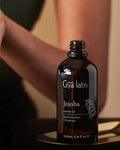
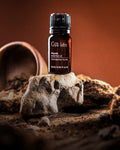
Gya Labs Organic Argan Oil is cold pressed from argan kernels and has a light, nutty aroma. It is made for skin and hair care and can also be used in DIY beauty blends.
Think of it less as a miracle ingredient and more as a useful beauty staple. That is where the "liquid gold" nickname starts to make sense.
Argan Oil for Skin
Argan oil can be used on the face and body as a lightweight conditioning oil that helps skin feel softer and smoother.
If your skincare routine is already fairly simple, argan oil can fit into it without adding another complicated step.
Its lightweight texture makes it appealing for people who prefer facial oils that do not feel heavy. A few drops can be pressed over clean, slightly damp skin, either on their own or as the final oil step in a routine.
It works best as a finishing step rather than a replacement for every product in your bathroom cabinet.
For example, after cleansing, you might use your usual water based skincare products first and then press a small amount of argan oil onto the skin. The oil gives the routine a more comfortable, moisturized feel.
If you are still deciding which oil suits you, our guide on how to choose the right carrier oil for your skin type walks through the options side by side.
Argan Oil for Face
Using argan oil on the face is straightforward.
Start with one or two drops. Warm the oil between your fingertips and gently press it over clean skin. There is no need to massage in a large amount.
If you are new to facial oils, start small. You can always add another drop if your skin feels like it needs more.
Argan oil can also be mixed into a simple DIY beauty blend, although it is best to introduce one new ingredient at a time so you know how your skin responds.
Will Argan Oil Clog Pores?
There is no universal answer, because everyone's skin behaves differently.
Argan oil is often chosen for facial care because it has a relatively lightweight feel, but that does not mean every person will have the same experience with it. If you tend to feel greasy when using facial oils, begin with a very small amount and see how your skin responds.
A patch test is a sensible step when introducing any new topical product, though it cannot rule out a reaction entirely.
The important thing is not to assume that a natural oil automatically suits every skin type. Your routine, your skin and the amount you apply all matter.
When to Be Cautious
Argan oil is pressed from the kernels inside argan fruit, and allergic skin reactions to it have been documented, although they appear to be uncommon.
If you have a known nut or seed allergy, reactive skin, or a skin condition you are already treating, check with a doctor or dermatologist before adding it to your routine. Stop using it if you notice redness, itching or irritation, and keep it away from the eye area.
Argan Oil for Hair
Argan oil can be used on hair to add shine, improve the feel of dry lengths and smooth the appearance of frizz, particularly around the ends.
Hair is where argan oil really shows its versatility.
You do not need to soak your hair in oil to get the cosmetic benefit. Using too much can leave hair looking weighed down rather than smooth. Less is more here.
If your main concern is frizz, concentrate the oil where you actually need it instead of applying it from roots to ends.
Rub one or two drops between your palms and lightly smooth them over the mid lengths and ends. For particularly dry ends, you can use a tiny additional amount.
Argan Oil for Frizz
Frizz can make otherwise healthy hair look rough or untidy, especially when the weather is humid or the hair has been exposed to heat styling.
Argan oil does not need to "fix" your hair to make a difference to its appearance. As a finishing oil, it can help individual strands look smoother and more polished.
Try this simple routine:
1. Take one or two drops of argan oil.
2. Rub it between your palms.
3. Smooth your hands over the mid lengths and ends.
4. Use whatever remains on your palms over flyaways.
5. Add more only if your hair still feels like it needs it.
That is one of the easiest argan oil uses to add to an existing hair routine.
Argan Oil Before or After Washing?
Both approaches can work, depending on what you are trying to achieve.
Before washing, a small amount can be used as part of a hair oiling routine. After washing, a drop or two works as a finishing step on damp or dry lengths.
For fine hair, start with less. For thicker or very dry hair, you may find that slightly more works better.
The goal is a soft, conditioned finish rather than an oily one.
Argan Oil Benefits for Hair
When people search for argan oil benefits for hair, they are usually looking for a simple way to make their hair feel softer and look smoother.
Argan oil is useful as a cosmetic finishing oil because it can:
· Add a healthy looking shine
· Help smooth the appearance of frizz
· Make dry ends feel softer
· Add slip to hair during grooming
· Give hair a more polished finish
It can also be combined with other carrier oils, such as Organic Jojoba Oil, if you prefer making your own hair oil blend. Our guide to the best carrier oils for hair care compares how the common options behave on different hair types.
You do not need a complicated recipe, though. Pure argan oil on its own is enough for a simple hair care ritual.
Argan Oil for Nails and Cuticles
Hands often get plenty of attention from skincare routines, while nails and cuticles are forgotten.
That is a shame, because this is one of the easiest places to use a carrier oil.
You only need a tiny amount. Place one drop across the fingertips, massage it around the cuticles and gently work the remaining oil over the nails.
It is easy to make this part of a nighttime routine, because you do not need to worry about using your hands immediately afterward.
A Simple Cuticle Ritual
Try this before bed:
1. Wash and dry your hands.
2. Apply a tiny amount of argan oil to each cuticle.
3. Massage gently around the nail.
4. Rub any remaining oil across the nail surface.
5. Leave it on overnight.
No complicated manicure routine required.
How to Use Argan Oil
The biggest mistake people make with beauty oils is assuming that more oil means better results.
It does not. Argan oil is concentrated enough that a few drops go a long way. If your skin or hair still feels dry afterward, increase the amount gradually rather than starting with a large quantity. A small bottle lasts a surprisingly long time when you use only a few drops at a time.
For the Face
Start with one or two drops on clean, slightly damp skin. Press it into the skin rather than rubbing aggressively.
For Hair
Start with one or two drops for the ends and adjust according to your hair length and texture. For frizz, concentrate on the areas that need smoothing.
For Cuticles
One drop can be enough for several fingertips. Massage it around the cuticles and nails before bed.
For Body Care
Add a few drops to your palms and massage into areas that feel dry or rough. Use enough to lightly cover the area without leaving a greasy finish. You can also work argan oil into DIY body care blends.
Layering Argan Oil
If you use several skincare products, apply your water based products first and finish with a small amount of oil.
A simple order could look like this: cleanser, hydrating products, moisturizer, then argan oil.
You do not necessarily need every step. The idea is simply to use the oil toward the end of your routine.
Morning or Night?
Argan oil can work in either routine.
Morning. A tiny amount can be used on dry hair ends or as the final oil step in a simple skincare routine. If you are using it on your face during the day, remember that argan oil is not a substitute for sunscreen.
Night. Nighttime suits cuticle care, facial oil routines and richer hair care rituals, because you have more time to let the oil sit without immediately applying makeup or styling products.
If you are new to argan oil, start at night. It is easier to see how your skin or hair responds when you are not fitting a new product into a busy morning.
Choosing a Quality Argan Oil
Not all argan oils are presented the same way, so the label is worth reading.
If you are buying argan oil for beauty use, look for clear information about the ingredient, the sourcing and the extraction method. You can compare the options in our carrier oils collection.
Look for a Single Oil Formula
If you want pure argan oil, check the ingredient list. Ideally you should be able to identify argan oil as the primary or sole ingredient.
That makes the product easier to understand and gives you more flexibility if you want to use it for skin, hair or DIY blends.
Consider Cold Pressing
Cold pressing is a mechanical extraction method that does not rely on high heat.
Gya Labs Organic Argan Oil is cold pressed from argan kernels sourced from Morocco.
Pay Attention to Texture and Aroma
Pure argan oil generally has a light, nutty character. A very strong artificial fragrance may be a sign that you are looking at a fragranced blend rather than a straightforward carrier oil.
Store It Properly
Plant oils are best protected from heat, light and air. Keep the bottle closed, out of direct sunlight and away from a steamy bathroom windowsill. A dark glass bottle and clear storage instructions are worth looking for when you choose an oil.
Is Pure Argan Oil Worth It?
For someone who wants one versatile oil across several beauty routines, pure argan oil is a practical choice.
Instead of buying separate oils for every small grooming task, you can use the same bottle for your face, hair, hands, nails and DIY beauty blends. That is the strongest argument for it.
The value is not that argan oil does everything. It is that one simple ingredient fits comfortably into several routines without much effort. If you would rather match an oil to one specific routine, something like Organic Rosehip Oil is a more focused facial option.
Does Gya Labs Sell Argan Oil?
Yes. Gya Labs sells Organic Argan Oil, a 100ml carrier oil that is cold pressed from argan kernels sourced from Morocco. It is made for skin and hair care and for DIY beauty blends.
The product page describes the oil as lightweight and fast absorbing, with a soft, nutty aroma.
For someone looking for a versatile carrier oil rather than a fragranced hair serum or a blend of several ingredients, that makes it an easy option to consider.
Final Thoughts
The appeal of argan oil is not difficult to understand.
It is simple, versatile and easy to work into routines you may already have.
Use a couple of drops on your hair ends when they look frizzy. Press a small amount onto clean skin when you want a softer finish. Massage a little into your cuticles before bed. Or keep a bottle nearby when you are making your own beauty blends.
That is what makes the "liquid gold" nickname stick.
You do not need a complicated routine or a bathroom shelf full of products. Sometimes one well chosen carrier oil is enough to make your everyday skin, hair and nail care feel a little more polished.