



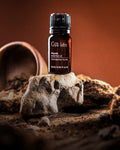

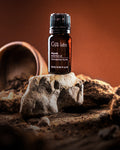
People looking for a natural way to foster peaceful atmospheres, emotional stability, and enhance their everyday wellness routines are increasingly embracing bergamot essential oil benefits. The bright citrus scent of bergamot essential oil contains floral notes and a touch of spiciness which makes it suitable for use in diffuser blends, self-care products, massage oils, and calming nighttime routines. From bergamot oil for mood support to bergamot oil aromatherapy practices used in wellness spaces, this uplifting oil has become a favorite among aromatherapists and essential oil enthusiasts alike.
Many people exploring bergamot oil benefits are often searching for practical answers to questions like what is bergamot oil good for or how to safely include it in everyday routines. Essential oils cannot diagnose or treat medical conditions yet people use bergamot because its scent provides both freshness and soothing effects to their wellness practices which aim to achieve relaxation and emotional balance and create a peaceful space.
For readers interested in understanding the aroma profile before adding it to a routine, Gya Labs also explores the scent characteristics in its guide on What Does Bergamot Essential Oil Smell Like?, which pairs naturally with emotional wellness and diffuser-focused routines.
What Is Bergamot Essential Oil?
Bergamot essential oil is derived from the rind of the bergamot orange, a citrus fruit that is predominantly grown in Italy. The oil is extracted through cold pressing which keeps its complete aromatic properties and its unique scent characteristics. Unlike sharper citrus oils, bergamot carries a more rounded aroma that combines freshness with a soft floral depth.
This is why bergamot oil aromatherapy routines achieve their popularity in wellness environments because of their ability to create a state of complete equilibrium. This scent fulfills two roles: it boosts happiness and promotes tranquility, making it ideal for work during the day and unwinding at night.
Many aromatherapists incorporate bergamot essential oil uses in their practices which help people achieve emotional comfort while taking mindful breaks and finding relaxation after times of cognitive stress.
Main Bergamot Essential Oil Benefits
People are increasingly interested in the bergamot essential oil benefits because it offers a range of advantages for different wellness practices. Many use bergamot in diffuser blends, body oils, and bedtime routines to help foster a sense of calm and encourage relaxation.
Bergamot Oil for Mood Support
People frequently discuss the bergamot oil benefits because it helps create positive emotional atmospheres. The scent of citrus dominates the fragrance, which people associate with fresh and clear scents, while its delicate floral elements make the scent less intense.
This makes bergamot oil for mood rituals especially popular during stressful work periods, emotionally heavy days, or moments when people want their environment to feel lighter and calmer.
Many people diffuse bergamot during:
- morning routines
- journaling sessions
- yoga or meditation
- creative work
- evening self-care rituals
The scent profile of the oil provides stronger emotional stability than the highly energating effects of citrus oils which include lemon and grapefruit.
Bergamot Oil for Aromatherapy and Emotional Wellness Routines
The people who practice bergamot oil aromatherapy do so to create a peaceful atmosphere which helps them achieve their wellness goals. Known for its bright citrus aroma softened by gentle floral undertones, bergamot essential oil is commonly used in diffuser blends, meditation spaces, and evening wind-down routines focused on emotional wellness and relaxation.
A reason why individuals value bergamot essential oil emotional benefits is that its aroma is both invigorating and calming simultaneously. Bergamot produces a gentler scent experience which supports self-care practices while sharper citrus oils tend to boost energy levels. The following wellness-focused aromatherapy practices use bergamot as a common diffuser scent:
- meditation sessions
- journaling routines
- yoga practices
- spa-like home rituals
- quiet evening relaxation
A simple calming diffuser blend may include:
- 3 drops bergamot
- 2 drops lavender
- 1 drop frankincense
The mixed fragrances produce a soft citrus-floral scent which is appropriate for use in bedrooms, reading areas and wellness-based self-care practices. People frequently use these types of blends to create peaceful spaces through their daily aromatherapy practices.
Bergamot Oil Stress Relief in Aromatherapy Rituals
People use bergamot oil stress relief because its scent creates an immediate emotional transformation for any environment. The combination of citrus oils creates a fresh scent which improves mental clarity while bergamot provides a calming effect through its smoother and softer aroma.
In bergamot oil aromatherapy, the oil is often used during:
- massage sessions
- diffuser routines
- bath rituals
- breathing exercises
- bedtime wind-down practices
Therapists and wellness providers often use bergamot in their waiting rooms or relaxation areas because its scent creates a welcoming atmosphere that isn't overpowering.
Gya Labs provides a variety of citrus and floral oils that complement bergamot naturally in emotional well-being practices. The aromatic profile of bergamot creates a balanced scent which people can use in their daily activities without experiencing sensory overload.
Bergamot Oil for Sleep and Evening Rituals
Although bergamot belongs to the citrus family, many people surprisingly use bergamot oil for sleep routines because its aroma feels softer and calmer than highly energizing citrus oils.
The combination of bergamot with grounding oils or floral oils creates a soothing scent that establishes a peaceful atmosphere for nighttime use. Some people use the diffuser at night to release its scent while others use diluted bergamot in their body oils for their nighttime massage routines.
A simple bedtime diffuser blend may include:
- 3 drops bergamot
- 2 drops lavender
- 1 drop cedarwood
The combination of the two scents creates a comforting aroma which creates an ideal atmosphere for nighttime relaxation.
If you enjoy calming floral scents along with bergamot, you might also find Gya Labs' educational content on lavender helpful for relaxation. It includes wellness routines that naturally pair well with bedtime aromatherapy.
Bergamot Essential Oil for Skin Routines
People use bergamot essential oil for skin purposes through diluted skincare practices which they believe provide better results than emotional wellness rituals. The fresh scent of the product makes it a popular choice for use in body oils, bath products, and facial steam treatments.
However, safe dilution is especially important because citrus oils require thoughtful application practices.
Important Note About Bergamot Oil Phototoxic Safe Use
One of the most important topics surrounding bergamot oil phototoxic safe use is sunlight sensitivity. Certain bergamot oils may increase skin sensitivity when exposed to direct UV light.
The safest way to perform topical treatments:
- first dilute products before actual application
- the product should not be applied to skin before the person goes outside to direct sunlight
- follow product usage guidance carefully
- the user needs to perform a patch test before starting to use the product on larger skin areas
Many users prefer applying bergamot in nighttime skincare or body care rituals instead of daytime sun exposure routines.
A simple body oil blend may include:
- 2 drops bergamot
- 1 tablespoon jojoba oil
- 1 tablespoon sweet almond oil
The process creates an aromatic body oil which users can apply during their evening self-care routines.
Comparison Table: Bergamot vs Lavender Essential Oil
Many people comparing emotional wellness oils often search for bergamot vs lavender essential oil to understand how each fits into aromatherapy routines.
| Feature | Bergamot Essential Oil | Lavender Essential Oil |
|---|---|---|
| Aroma Profile | Fresh citrus with soft floral warmth | Soft floral and herbal aroma |
| Common Use | Mood-lifting and balancing rituals | Relaxing and bedtime routines |
| Best For | Emotional reset and refreshing diffuser blends | Deep relaxation and calming nighttime rituals |
| Day or Night Use | Suitable for both daytime and evening use | Commonly preferred for evenings |
| Blends Well With | Frankincense, Lavender, Cedarwood | Bergamot, Chamomile, Ylang Ylang |
| Atmosphere Created | Bright, uplifting, and comforting | Calm, soothing, and peaceful |
What Oils Bergamot Oil Blends Well With
Many users exploring diffuser recipes want to know what bergamot oil blends well with.
Bergamot pairs especially well with:
- lavender
- frankincense
- cedarwood
- chamomile
- ylang ylang
- sweet orange
- clary sage
The balanced combination of citrus and floral elements in this fragrance creates a dual effect, which simultaneously softens woodsy oils and enhances the freshness of floral arrangements.
Here's a grounding emotional wellness blend:
- 3 drops bergamot
- 2 drops frankincense
- 2 drops cedarwood
A brighter uplifting blend may include:
- 3 drops bergamot
- 2 drops sweet orange
- 1 drop grapefruit
Gya Labs Bergamot Oil Rituals and Aromatherapy Pairings
Gya Labs focuses on wellness through aromatherapy, providing a curated selection of essential oils perfect for diffusers, personal self-care, and creating a pleasant home ambiance. For instance, bergamot essential oil pairs beautifully with lavender, frankincense, cedarwood, and sweet orange essential oils to craft calming scents tailored to your desired mood.
For example, the combination of bergamot and lavender creates an effect which supports slower nighttime activities while the combination of bergamot with peppermint or sweet orange produces a daytime atmosphere. In massage blends, bergamot is often paired with jojoba oil because of its lightweight texture and versatility in body care routines.
Gya Labs educational guides about diffuser blends and calming aromatherapy routines which connect with emotional wellness practices will appeal to readers who want to learn about citrus-based wellness practices.
Simple Weekly Bergamot Oil Aromatherapy Ritual
For people wanting a manageable self-care ritual, this simple weekly routine combines several popular bergamot oil benefits into one calming experience.
Evening Reset Ritual
-
Diffuse bergamot and lavender for 20 minutes.
-
Prepare a warm bath with diluted bergamot oil.
-
Apply a lightweight bergamot body oil blend to shoulders and neck.
-
Spend 10 minutes journaling or reading away from screens.
This particular method of ritualistic framing assists aromatherapy practitioners to establish more deliberate sustainable practices instead of treating their work as unplanned or infrequent activities.
Final Takeaway
The increasing public interest in bergamot oil benefits exists because this natural citrus-floral oil matches contemporary wellness practices. People who use bergamot oil for mood enhancement or calming diffuser blends or emotional reset routines or nighttime relaxing aromatherapy will find that bergamot provides them with an aromatic experience which combines fresh and comforting elements.
The oil operates most effectively from bergamot oil stress relief rituals to deliberate body care practices which include diffuser blends and body care applications at reduced strength. With balanced aromatherapy pairings and mindful application, bergamot essential oil can become a gentle yet uplifting addition to everyday self-care practices.