


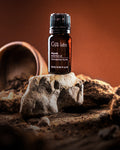
When we look at the best essential oil for sunburn, we want things that soothe, hydrate, and generally calm our skin. While essential oils don't cure or treat sunburn, ingredients such as lavender oil, Roman chamomile oil, hydrosols, and lightweight carrier oils may help create a soothing after-sun ritual that leaves skin feeling refreshed and comfortable.
I’ve spent many years creating and tweaking aromatherapy recipes after beach trips, hikes, outdoor music festivals, and long, embarrassing afternoons in my backyard (I’m always convinced I'll just spend "twenty minutes" in the garden, it somehow always morphs into 3 hours).
What I've found is this; it is far simpler than you think.
You don't need fifteen ingredients.
You don't need complicated DIY recipes.
And you definitely don't need every essential oil sitting on your shelf.
The most effective after-sun routines usually combine hydration, cooling botanicals, and a handful of carefully chosen ingredients that work well together.
Let's talk about what actually works.
Why After-Sun Care Matters More Than Most People Realize
When most people think about sun care, they focus entirely on sunscreen.
That's important, of course.
But what happens after you've spent hours outdoors matters too.
Sun exposure can leave skin feeling tight, warm, dry, and uncomfortable. Even if you use sunscreen properly, environmental factors like heat, wind, saltwater, and chlorine can take a toll on how your skin feels.
For years, I've made the critical mistake of only using essential oils.
Big mistake.
I would return from a vacation and instead of moisturizing my body, I'd get home and start making concoctions using only oils, completely neglecting to add hydration. Retrospectively, I was decorating my house before I even had a foundation.
Hydration is the foundation.
Everything else follows.
Now, my routine includes:
- Drinking water
- Cool shower
- Light hydration
- Using aromatherapy products only afterward
The difference has been huge.
If you are here because your skin feels tight and warm at the end of a sunny day, then you have definitely found your place and you can definitely use aromatherapy for your recovery. Just remember that it has its own effect and has to be accompanied with smart skin care routines. Aromatherapy can absolutely be part of that process, but it works best alongside sensible skincare habits.
That's the key.
Not instead of them.
Alongside them.
What Essential Oils Are Good for Sunburn?
One question appears again and again:
"What essential oil is good for sunburn?"
Honestly?
There isn't one magical oil that does everything.
What works best is choosing gentle oils and using them properly diluted within a broader skincare routine.
Here are the options I find myself reaching for most often.
Lavender Essential Oil
If you've spent any time researching lavender oil for sunburn, you've probably noticed it appears in almost every after-sun recipe online.
There's a reason for that.
Lavender (Lavandula angustifolia) has a soft floral aroma that blends beautifully with carrier oils and other essential oils.
Whenever I create an evening body oil, lavender is almost always included.
Not because it's trendy.
Because it works well in blends.
The aroma feels calming after a long day outside and pairs particularly well with chamomile.
Lavender, I especially love in evening rituals. The scent after a day at the beach or working outside in the garden is incredibly relaxing and lets my body know it's time to finally slow down and wind down.
It's part of the reason why lavender remains such a popular choice for after-sun aromatherapy blends. When well diluted it can be a great addition to light carrier oils and other delicate botanicals.
Organic Roman Chamomile Essential Oil
The leading ingredient in most after sun blends is lavender-but that shouldn't mean that chamomile can't be the scene-stealing supporting actor.
And honestly?
Sometimes the supporting actor steals the show.
One product I regularly recommend is Organic Roman Chamomile Oil:
Roman chamomile (Chamaemelum nobile) has a gentle, herbaceous aroma that feels soft and comforting.
A few years ago I tested a blend containing only jojoba oil, lavender, and Roman chamomile.
That was it.
Three ingredients.
No fancy additions.
No complicated formula.
It became one of the most-used body oils in my collection.
Everyone understates chamomile because they always give lavender too much focus. They shouldn't.
Chamomile deserves a place in almost every beginner's collection.
Peppermint Hydrosol for Instant Cooling
Let's talk about cooling.
Because this is where things get interesting.
For many people when they look for peppermint in their after-sun, it is really for that cooling sensation on sun-heated skin.
Personally, I prefer using Peppermint Hydrosol instead of concentrated peppermint essential oil in after-sun sprays.
Hydrosols are much gentler than essential oils.
And for after-sun products, that's often exactly what you want.
In summer I always keep my peppermint hydrosol in the fridge.
Just an important note.
The first spray feels amazing.
The second spray feels even better.
The third spray makes you wonder why you ever bothered buying expensive cooling gels.
Eucalyptus Hydrosol for a Fresh Outdoor Aroma
Another favorite in my collection is Eucalyptus Hydrosol:
Peppermint is cooling.
Eucalyptus is fresh.
Mixed together?
Great.
When I make outdoor recovery sprays, the eucalyptus adds a clean, herbaceous note that really brightens up the whole blend.
It's especially nice after hiking, gardening, or spending time near the ocean.
The aroma reminds me of stepping into cool shade after standing in direct sunlight.
And sometimes that's exactly the feeling you're looking for.
The Carrier Oils That Complete an After-Sun Blend
Here's the thing most aromatherapy articles get wrong.
Essential oils get all the attention.
Carrier oils do most of the work.
Seriously.
Without a good carrier oil, your blend isn't going very far.
The best after-sun products balance aromatic ingredients with lightweight hydration.
And that's where carrier oils shine.
Organic Jojoba Oil
One of my absolute favorites is Organic Jojoba Oil:
Jojoba is in pretty much all skin products for a good reason. And really, it's quite simple.
It feels good.
That's it.
It's lightweight.
It spreads easily.
And it doesn't leave my skin feeling greasy.
I've tried so many carrier oils over the years, and jojoba is a wonderful option to get started with.
Rosehip Oil
Another excellent addition is rosehip oil.
It's clear to see why rosehip is gaining such an emphasis in the after-sun routine.
Rosehip feels lightweight and luxurious without being heavy.
When I want a richer body oil without creating that greasy feeling, I combine rosehip with jojoba.
The balance works beautifully.
Comparing Popular After-Sun Ingredients
One thing I've learned after years of experimenting with aromatherapy is that different ingredients serve different purposes. Some provide a refreshing sensation, others help create a moisturizing blend, and some simply smell fantastic.
I don't usually rely on a single "ultimate" ingredient. Instead, I build an after-sun routine based on what my skin needs most on a given day.
Sometimes I want cooling. Sometimes I want hydration. And sometimes I just want to smell like I've got everything under control after spending a little too much time in the sun.
Quick Comparison Table
| Ingredient | Best For | Texture | Why I Use It |
|---|---|---|---|
| Lavender Essential Oil | Evening body oils | Requires dilution | Relaxing floral aroma that complements nighttime routines |
| Roman Chamomile Oil | Sensitive-feeling skincare routines | Requires dilution | Gentle herbal aroma and soothing addition to blends |
| Peppermint Hydrosol | Cooling sprays | Water-light | Creates an instantly refreshing sensation |
| Eucalyptus Hydrosol | Outdoor recovery mists | Water-light | Clean, invigorating botanical aroma |
| Organic Jojoba Oil | Hydration | Lightweight | Provides comfortable daily moisture without feeling greasy |
| Rosehip Oil | Body oils and moisturizing blends | Lightweight | Adds richness and nourishment without heaviness |
Safety First: What I Always Tell Beginners
Before trying any essential oil for sunburn, let's talk about safety.
I know this section isn't as exciting as DIY recipes.
But it's probably the most important part of the entire article.
Never Apply Undiluted Essential Oils
This is the biggest mistake I see beginners make.
More oil doesn't equal better results.
In fact, applying undiluted essential oils directly to stressed or irritated skin can create additional problems.
Always dilute essential oils in a suitable carrier oil before topical application.
Patch Test Every New Blend
Even if you've used an ingredient before, patch testing is worth the extra minute.
I know.
Nobody wants to patch tests.
We all want to jump straight to the fun part.
Do it anyway.
Your skin will thank you.
Avoid Photosensitive Oils
Certain citrus oils may increase sensitivity to sunlight.
If you're planning to spend additional time outdoors, check product safety information carefully and avoid using potentially photosensitive ingredients beforehand.
Know When DIY Isn't Enough
Aromatherapy should be part of your wellness routine.
It does not replace professional medical care.
If you experience:
- Severe blistering
- Fever
- Chills
- Dizziness
- Extensive skin damage
- Signs of infection
Seek medical advice as soon as possible.
DIY After-Sun Cooling Mist
This recipe for after sun will only take a few minutes to prepare.
What You'll Need
- 4 tablespoons Peppermint Hydrosol
- 4 tablespoons Eucalyptus Hydrosol
- 2 tablespoons distilled water
- 1 clean spray bottle
How to Make It
- Pour all ingredients into the spray bottle.
- Shake gently.
- Store in the refrigerator.
- Mist lightly onto clean skin as desired.
My Testing Notes
I've made this spray more times than I can count.
Every summer.
Every vacation.
Every gardening season.
And every summer when I ask myself, why don't I ever keep two bottles on hand instead of just one?
The cooling sensation feels especially refreshing after outdoor activities, and the aroma is clean without being overwhelming.
DIY Hydrating After-Sun Body Oil
Cooling sprays are great.
Hydration matters too.
This body oil is one of the simplest blends I use throughout summer.
What You'll Need
- 2 tablespoons Organic Jojoba Oil
- 1 tablespoon rosehip oil
- 2 drops lavender essential oil
- 1 drop Roman chamomile essential oil
How to Make It
- Add ingredients to a small glass bottle.
- Shake thoroughly.
- Apply lightly to slightly damp skin.
This is also a perfect example of mixing essential oils with carrier oil for skin rather than applying concentrated oils directly.
Why This Blend Works
Jojoba creates a lightweight base.
Rosehip adds richness.
Lavender has a calming scent.
Chamomile softens the blend beautifully.
Simple.
Balanced.
And honestly much easier than some of the twenty-ingredient recipes floating around online.
My Five-Minute After-Sun Ritual
People often assume aromatherapists spend an hour performing elaborate wellness rituals.
I wish I had that kind of free time.
Here's what I actually do.
Step 1
Take a cool or lukewarm shower.
Step 2
Drink water.
No exciting aromatherapy secret here.
Just water.
Step 3
Apply a hydrosol mist.
Usually peppermint, eucalyptus, or both.
Step 4
Use a lightweight body oil.
Step 5
Go sit in the shade and read a book.
Or walk the dog.
Or watch terrible reality TV.
Whatever helps you relax.
The entire routine takes less than five minutes.
That's probably why I actually stick with it.
Common Mistakes I See Again and Again
Using Too Many Ingredients
Less is often more.
There are fifteen to twenty ingredients in some recipes.
Honestly?
Most don't need that much.
Forgetting Hydration
People obsess over oils and completely forget water.
Hydration should always come first.
Applying Essential Oils Without Dilution
Please don't.
Not a good idea.
Not worth the risk.
Returning to the Sun Immediately
If your skin feels uncomfortable after prolonged sun exposure, give it time to recover.
Expecting DIY Products to Replace Sunscreen
This one is huge.
Essential oils can definitely play a beneficial role in an after-sun routine, however they can not replace sunscreen. Always wear a broad-spectrum SPF whenever you are outdoors, and dress in sun-protective clothing when possible and when the sun's rays are strongest, stay in the shade.
Basically, consider aromatherapy as something that compliments your post-sun routine, rather than takes the place of traditional sun-safe behaviors.