




Let’s clear something up right at the top, because the internet is full of nonsense about this. Coconut oil won’t bleach your skin. It won’t change your natural complexion. No oil does that. What it can do and this is the part that’s actually true is make your skin look brighter, smoother, and more even by keeping it hydrated, calm, and protected.
That’s the honest version. And honestly? It’s still pretty good.
People searching for coconut oil for skin whitening are usually after one thing: a healthier, more radiant-looking complexion. Coconut oil can help with that look just not the way the bleaching-cream marketing wants you to believe. So, let’s walk through what it really does, who it works for, who should be careful, and a few DIY recipes I actually use.
What Makes Coconut Oil Popular in Skincare?
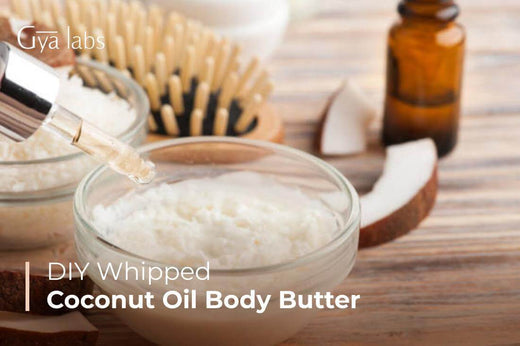
Coconut oil shows up in an absurd number of beauty routines, and there’s a reason for that. It’s pressed from mature coconuts, it’s loaded with naturally occurring fatty acids, and it helps skin hold onto moisture. That’s the whole appeal in one sentence it’s a simple, single-ingredient moisturizer in a world of 20-ingredient products nobody can pronounce.
There are two main types you’ll run into. Virgin coconut oil is the minimally processed one it still smells like coconut and keeps more of its natural compounds. Refined coconut oil is processed more heavily, has almost no scent, and feels a little smoother. For DIY skincare, most people reach for virgin. It just feels more like the real thing.
Understanding Coconut Oil and Its Unique Properties
The magic, if you want to call it that, comes down to medium-chain fatty acids. They give coconut oil its soft, spreadable texture and its ability to seal moisture into the skin. Lauric acid is the big one it makes up most of the fatty acid content and brings mild antibacterial and anti-inflammatory properties along with it.
Coconut oil also works beautifully as a base for essential oils. Blend a couple of drops of Lavender or Frankincense into a spoonful of it and you’ve got a custom moisturizing oil in about thirty seconds. More on those blends later.
Coconut Oil Benefits for Glowing Skin
It Locks In Moisture
This is the headline benefit. Coconut oil reduces how much water escapes from the surface of your skin. Dry skin looks rough and dull well-hydrated skin looks smooth and catches the light. Smooth it on after cleansing, especially on the spots that get dry, and you’ll feel the difference fast.
Helps Create a Natural Glow
Healthy skin tends to look luminous on its own. Because coconut oil hydrates and leaves a soft finish, a lot of people, myself included use it for a quick evening face massage. Two minutes of upward circular motions and your skin looks like it’s had a full night’s sleep, even when you haven’t.
Supports a Softer Skin Texture
Regular moisture has a way of evening out rough patches over time. Use it consistently and your skin just feels better softer to the touch, less flaky, more comfortable.
Works Well in DIY Beauty Recipes
This is where coconut oil really earns its spot. It mixes with almost any botanical oil, which makes it perfect for homemade masks, scrubs, and massage blends. You’ll see what I mean in the recipes below.
Can Coconut Oil Help Brighten or Even Out Skin Tone?
Okay. The big question. The one the search term is really asking.
Here’s the honest answer: coconut oil is not a whitening or bleaching agent. It doesn’t target melanin the pigment behind dark spots and it won’t lighten your natural skin color. Anything promising that is selling you a fantasy.
But it can make your complexion look brighter and more even. Just indirectly. Three ways, specifically:
Hydration Brings Back Radiance
Dehydrated skin looks dull and patchy, and that dullness reads as “uneven.” Seal the moisture back in and skin looks smoother and more luminous. That glow? That’s usually what people actually mean when they say “brighter.”
Vitamin E Protects
Coconut oil contains vitamin E, an antioxidant that helps shield skin from the free radicals kicked up by sun and pollution the same stressors that drive dark spots and uneven tone over the years. Protection isn’t lightening. But protected skin stays looking healthier and more even, longer.
Lauric Acid Calms Things Down
Those marks left behind after a blemish heals? They’re a huge reason skin tone looks uneven. The anti-inflammatory lauric acid in coconut oil helps keep skin calm, which can let those minor marks fade more comfortably over time.
So here’s the realistic takeaway. Coconut oil supports a brighter, more even look by keeping skin hydrated, protected, and calm. But if your real goal is fading stubborn dark spots or melasma, the ingredients with actual evidence behind them are vitamin C, niacinamide, and alpha arbutin — plus daily sunscreen, every single day, no exceptions. Coconut oil is a supporting actor in that story, not the lead. For targeted dark-spot help, our guide on coconut oil for hyperpigmentation goes deeper.
Who Should Be Careful With Coconut Oil on the Face
Now the part most coconut oil articles conveniently skip over.
Coconut oil is comedogenic. On the 0–5 scale dermatologists use to rate how likely something is to clog pores, coconut oil scores a 4. That’s high. I’ve seen plenty of breakouts that traced straight back to someone slathering it on their face because a blog told them to.
On the body and on genuinely dry skin? Fantastic. It locks moisture in like a champ. But on the face where pores are smaller and busier it can trap oil and dead skin and trigger clogged pores or breakouts. Especially if your skin is oily or acne-prone.
Usually fine on your face if you have:
- Dry or flaky skin
- Normal skin that handles richer oils well
Patch test carefully, or skip facial use, if you have:
- Oily skin
- Acne-prone or breakout-prone skin
- Combination skin with an oily T-zone
If that’s you, jojoba oil is the smarter pick for your face. It’s lighter, low on the comedogenic scale, and it mimics your skin’s own sebum. You can still use coconut oil everywhere else — hands, body, feet, all fair game. And whatever you try, patch test on your inner forearm for 24 hours first. Boring advice. Saves a lot of regret.
Virgin Coconut Oil vs Refined Coconut Oil for Skin
Quick comparison before you buy, because the label matters more than people think:
|
Feature |
Virgin Coconut Oil |
Refined Coconut Oil |
|
Processing |
Minimal |
More heavily processed |
|
Scent |
Natural coconut aroma |
Little to none |
|
Texture |
Rich, natural |
Smoother |
|
Best for |
DIY skincare rituals |
Everyday moisturizing |
|
Natural compounds |
Mostly retained |
Some lost in processing |
For DIY skincare, virgin wins most of the time. Less processing, more of the good stuff intact.
How to Use Coconut Oil on Skin
It really depends on your goal and your skin type. A few common approaches:
- After cleansing, smooth a small amount onto slightly damp skin to seal in moisture.
- Use it for a slow facial massage in the evening (if your skin tolerates it on the face).
- Blend it into a mask or scrub for a weekly treatment.
- Keep it body-only if your face is acne-prone.
Start small. A little goes a long way, and you can always add more. Patch test anything new before you commit.
Easy DIY Coconut Oil Recipes for Glowing Skin
Coconut and Lavender Night Moisture Blend
This simple evening ritual combines coconut oil with soothing floral notes.
Ingredients:
- 1 tablespoon coconut oil
- 2 drops Gya Labs Lavender Essential Oil
Mix thoroughly and apply a small amount to clean skin before bedtime. The blend can become part of a relaxing nighttime skincare routine.
Coconut Oil Face Massage Blend
A facial massage can help transform an ordinary skincare routine into a self-care ritual.
Ingredients:
- 1 tablespoon organic coconut oil for face
- 2 drops Gya Labs Frankincense Essential Oil
Massage gently onto clean skin using upward circular motions for several minutes before removing excess product if desired.
Coconut and Rose Glow Face Mask
A simple coconut oil face mask can be a popular addition to weekly skincare routines.
Ingredients:
- 1 tablespoon coconut oil
- 1 teaspoon honey
- 2 drops Gya Labs Rose Essential Oil
Mix the ingredients and apply evenly on the face. Keep it on for 10 minutes then wash it with lukewarm water.
Coconut and Jojoba Nourishing Blend
If you prefer a lighter sensation use coconut oil mixed with jojoba oil.
Ingredients:
- 1 teaspoon coconut oil
- 1 teaspoon Gya Labs Jojoba Oil
Apply a small amount after cleansing to help support moisture retention and skin softness.
Building a Simple Coconut Oil Skincare Routine
It is more often the consistency of use rather than the sophistication of the products that plays an important role. A simple approach using coconut oil for skin may look like this:
First, in the evening wash your face properly with a face wash. Take a small amount of coconut oil or mixture based on coconut oil and apply it on the damp face. Massage softly into your face to spread out properly.
Once or twice weekly, incorporate a coconut oil face mask to add variety to your skincare ritual. Consistency can help maintain a soft, nourished appearance over time.
Looking to address uneven skin tone as well? Discover how coconut oil may fit into your routine in Coconut Oil for Hyperpigmentation: Benefits of Coconut Oil & How to Use.
Gya Labs Oils That Pair Well With Coconut Oil
For various essential oil blends, coconut oil acts as a great base. Lavender Essential Oil is widely known to be used during evening nighttime skincare rituals within Gya Labs' range for its sweet, floral scent. Frankincense Essential Oil is also commonly used for facial massage with its warm and resinous fragrance.
You can also incorporate Rose Essential Oil into your coconut oil skincare ritual to create a richer floral element, or choose Jojoba Oil, which will mix with coconut oil to create lighter textures for personalized moisturizing blends.
Such pairings offer the user a chance to develop personalized practices and experiment with a variety of aromas.
Is Coconut Oil Suitable for Every Skin Type?
There is no right or wrong as everyone has different preferences. Some people enjoy using coconut oil for face, others may prefer to use lighter oils.
Test out the oil, and see how it suits you by using it sparingly. Alter how much you use and what else you combine it with to fit your skincare routine and comfort levels.
Final Takeaway
Coconut oil for skin is a choice many people still make in the interest of a simple yet multi-functional addition to their beauty routine. Whether a simple coconut oil moisturizer, a coconut oil face mask, or used in a concoction with Gya Labs essential oils, the uses for coconut oil are seemingly endless in terms of customized self-care. From exploring coconut oil benefits for skin to learning how to use coconut oil on skin, the key is finding a routine that suits your preferences and using it consistently as part of a balanced skincare approach.