


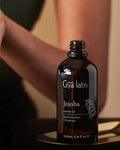

A simple DIY bug bite comfort stick can be made by melting 1 tablespoon beeswax with 2 tablespoons carrier oil, then stirring in 4 drops lavender, 3 drops tea tree, and 2 drops peppermint essential oil before pouring the mixture into a lip balm tube. Once cooled, it's a convenient, mess-free way to provide a cooling, soothing application for skin after insect bites as part of an after-outdoor routine.
|
A quick note on focus This guide is specifically about making a portable solid comfort stick — the twist-up balm format. If you want the full rundown of soothing oils for bites, plus roller, spray and gel versions, our main guide to the best essential oils for bug bite relief covers all of that. |
Why Make a Bug-Bite Comfort Stick?
Summer adventures often come with an unwelcome souvenir mosquito bites.
Whether you're hiking, gardening, camping, or simply enjoying an evening outdoors, bug bites always seem to appear at the worst possible moment. I've tried everything over the years, from lotions that leaked in my backpack to creams that melted in the car. They worked, but they weren't exactly convenient.
That's why I eventually switched to making a solid balm stick.
A bug-bite comfort stick is compact, easy to carry, and far less messy than creams or oils. Instead of squeezing product onto your fingers, you simply glide the stick over the affected area whenever your skin needs a little extra comfort.
I also like that it stays solid in a pocket or travel bag, making it ideal for hikes, beach days, picnics, or family holidays.
The recipe below has become one of my summer essentials because it combines a few carefully selected ingredients into something that's practical enough to use almost anywhere.
Best Essential Oils for Bug Bites
Choosing the right oils doesn't have to be complicated.
I usually stick with three ingredients because they complement each other well and create a fresh, herbal aroma that's pleasant without being overpowering.
Lavender Essential Oil
Lavender is one of the first oils I reach for when creating essential oils for bug bites blends.
Its soft floral aroma blends effortlessly with carrier oils and balances stronger herbal scents like tea tree and peppermint.
Whenever I make a comfort stick, lavender is usually the foundation because it gives the blend a gentle, relaxing aroma that doesn't feel too strong when applied throughout the day.
It also pairs beautifully with beeswax, creating a balm that's pleasant to use whenever itchy bites become distracting.
Tea Tree Essential Oil
Tea tree adds a crisp, herbal character that complements lavender surprisingly well.
I rarely use tea tree on its own because its aroma can be quite sharp, but combined with lavender it creates a much more balanced blend.
That's why tea tree has become a regular ingredient in my homemade bug-bite balm. Just a few drops add freshness without overpowering the rest of the recipe.
Peppermint Essential Oil
Peppermint is included for one simple reason.
It feels incredibly refreshing.
After spending an afternoon outdoors, a comfort stick containing peppermint adds a pleasant cooling sensation that makes the entire blend feel lighter.
I always use peppermint sparingly because a little goes a long way.
For me, it's the finishing touch that brings the recipe together.
There's a simple reason peppermint feels cool on the skin: its menthol activates the same cold-sensing TRPM8 receptors that respond to a cool breeze, which is why the stick feels refreshing without changing your skin's actual temperature.
Choosing the Right Carrier Oil
A good carrier oil is just as important as the essential oils themselves.
Carrier oils dilute essential oils for topical use while helping the balm glide smoothly across the skin.
I've experimented with several options over the years, and these three consistently work well.
|
Carrier Oil |
Texture |
Why It Works Well |
|
Jojoba Oil |
Lightweight |
Absorbs quickly and leaves very little residue. |
|
Fractionated Coconut Oil |
Silky |
Helps create a smooth, easy-to-apply balm. |
|
Sweet Almond Oil |
Medium |
Adds lightweight moisture and blends well with beeswax. |
Personally, I tend to use jojoba oil most often because it creates a balm that feels light enough to reapply throughout the day without feeling greasy.
Comparing the Essential Oils
Each oil brings something different to the recipe.
|
Essential Oil |
Aroma Profile |
Best Role in the Recipe |
|
Lavender |
Soft, floral |
Creates a balanced, calming aroma |
|
Tea Tree |
Fresh, herbal |
Adds a clean botanical note |
|
Peppermint |
Cool, minty |
Gives the blend a refreshing finish |
I never use just one oil, instead opting for the blend of all three. It just makes for more of a balance to the aromas, and each ingredient enhances the next.
DIY Bug-Bite Comfort Stick Recipe
One thing I've learned after making this recipe dozens of times is that keeping it simple produces the best results.
Some DIY recipes call for eight or ten different oils, but I've never found that necessary.
This version is easy to make, easy to carry, and uses ingredients that many essential oil enthusiasts already have at home.
Ingredients
|
Ingredient |
Amount |
|
Beeswax pellets |
1 tablespoon |
|
Carrier oil |
2 tablespoons |
|
Lavender Essential Oil |
4 drops |
|
Tea Tree Essential Oil |
3 drops |
|
Peppermint Essential Oil |
2 drops |
|
Empty lip balm tube or twist-up stick |
1 |
Equipment
- Small heatproof glass bowl
- Small saucepan
- Spoon or glass stirrer
- Lip balm tube or balm stick container
Step-by-Step Instructions
Making this comfort stick is surprisingly simple, even if you've never made a balm before. The first time I tried it, I expected the process to be far more complicated than it actually was. Once you've made one batch, you'll probably find yourself making another before your next outdoor adventure.
1. Melt the base. Fill a small saucepan with an inch or two of water and bring it to a gentle simmer. Place the beeswax pellets and carrier oil into a heatproof glass bowl or measuring cup, then set it over the saucepan to create a double boiler. Stir occasionally until the beeswax has completely melted. Avoid overheating the mixture, as excessive heat can affect the quality of both the carrier oil and the essential oils you'll be adding later.
2. Remove from heat. When all of the beeswax is melted and blended with your carrier oil, take the bowl off the heat and set aside to cool for around one minute. The oil mixture will still be liquid, but no longer piping hot.
3. Add the essential oils. Stir in 4 drops lavender, 3 drops tea tree, and 2 drops peppermint essential oil. Gently mix until everything has incorporated. One thing I've learned is not to overthink this step a gentle stir is all you need.
4. Pour into the container. Carefully pour the mixture into a clean lip balm tube or twist-up balm stick. If you're making more than one, divide the mixture evenly between the containers before it begins to set.
5. Let it cool. Leave the balm undisturbed for 30–60 minutes, or until completely solid. Once set, cap the container and store it in a cool, dry place until you're ready to use it.
How to Use Your Bug-Bite Comfort Stick
One reason I like this recipe so much is because it's genuinely convenient.
Instead of carrying a bottle of oil or squeezing cream onto your fingers, you simply twist up the stick and apply it directly where it's needed.
I usually swipe the balm over the area using two or three light passes.
There's no need to press hard or apply a thick layer.
Because it's solid, it also travels much better than lotions. Mine usually lives in a backpack during summer and moves to my beach bag whenever I'm heading outdoors.
If you know you'll be spending the day hiking, camping, gardening, or at a picnic, it's worth tossing one into your bag before you leave.
Tips for the Best Results
Over the years, I've picked up a few habits that make this recipe even easier to use.
- Apply the stick only to clean, dry skin.
- Avoid using it on broken skin or open wounds.
- Keep the balm in a cool place whenever possible, especially during very hot weather.
- Wipe the surface of the balm occasionally if you're using it outdoors.
- Replace homemade balms if you notice changes in smell, colour, or texture.
I've also found that making two sticks at the same time is far more practical than making one. One stays at home, while the other lives in my travel bag throughout summer.
Kids, Dilution, and Safety
Natural ingredients still deserve careful handling.
Essential oils are highly concentrated, which is why proper dilution is one of the most important parts of any DIY skincare recipe.
Use the Right Dilution
This recipe is for adult use, using the essential oils at a safe, low topical dilution. If you're making this balm for younger children, consider reducing the essential oil drops and reviewing essential oil usage and safety for your child's age.
Patch Test First
Even if you've used lavender, tea tree, or peppermint before, it's always worth performing a patch test with a new recipe.
Apply a small amount to the inside of your forearm and wait 24 hours before using it more broadly.
Use Around Children Carefully
Children may be more sensitive to essential oils than adults.
Avoid applying essential oils near the eyes, mouth, or broken skin, and keep homemade balms out of reach of young children.
Store It Properly
Store your comfort stick away from direct sunlight and excessive heat.
A cool drawer or bathroom cabinet usually works well.
When Should You See a Doctor?
Most mosquito bites and minor insect bites improve with time.
However, there are situations where professional medical advice is important.
|
When to see a doctor Seek medical attention if you notice: • Difficulty breathing • Swelling of the face or throat • Fever after an insect bite • Increasing redness or warmth around the bite • Pus or signs of infection • Severe pain • Symptoms that continue to worsen instead of improving A DIY balm is designed to support everyday comfort — it isn't a replacement for medical care when something more serious is happening. |
Related Reading
For the full list of soothing oils plus roller, spray and gel recipes, see our main guide to the best essential oils for bug bite relief. If you'd rather keep the bugs away in the first place, our natural essential oil bug repellent guide is a good next read, and gardeners may enjoy our essential oils for the garden tips.
Final Thoughts
One thing I appreciate most about this DIY itch comfort stick is its simplicity.
There are just a handful of ingredients and it takes less than five minutes to prepare and assemble, so it's super simple to transport for any of your summer travels. I have probably made gallons over the years now, but it's one of those go-to recipes I make almost unconsciously for our camping trips, seaside days, and long sunny afternoon picnics in the garden.
If you're looking for a practical homemade bug-bite comfort stick that's easy to keep in a pocket or backpack, this recipe is a great place to start. Lavender, tea tree, peppermint, beeswax, and a good quality carrier oil make up a convenient, travel-friendly balm that's great to carry with you.