


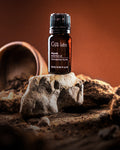
To make a DIY cooling neck wrap, soak a cotton scarf or reusable cooling towel in cool water, wring out the excess moisture, and chill it in the refrigerator for about 20 minutes. For a refreshing aroma, place one drop of peppermint essential oil on the outer side of the fabric; never on the side that touches your skin or near your face. Wrap it around your neck and re-wet it whenever you need extra cooling comfort.
Why a Cooling Neck Wrap Is One of My Summer Essentials
I have a love/hate relationship with summer.
I love spending time in my garden and walking through the Farmer's Market every Saturday, along with chilling out on the porch with my iced tea. But once the afternoon heat settles in, staying comfortable becomes a challenge.
Over the years, I've tried everything from disposable cooling towels to bulky gel packs. Some worked well for a while, but many weren't practical enough to carry around or reuse throughout the day.
That's why I eventually settled on a neck cooling wrap for summer.
It's lightweight, reusable, easy to make, and takes up almost no space in a bag. Better yet, adding a subtle touch of essential oil to the outer fabric gives it a fresh botanical aroma without making it feel overpowering.
What I like most is how adaptable it is. I can chill it before heading out for a morning walk, pack it for a picnic, or keep one in the refrigerator after spending time in the garden. Once it starts to warm up, I simply dampen it again, pop it back into the fridge, and it's ready to use.
Simple routines tend to be the ones we actually stick with, and this has become one of mine every summer.
Why Choose a Reusable Cooling Neck Wrap?
Cooling towels and disposable wipes certainly have their place, but a reusable wrap offers a few practical advantages.
Unlike single-use cooling products, it can be refreshed again and again throughout the day with nothing more than cool water. It also produces less waste, making it a more sustainable option if you spend a lot of time outdoors during warmer months.
I've also found reusable wraps to be more versatile. When you roll up any fabric of yours, it works just fine: wrap them around your neck while taking a walk or fold them and shove them in a cooler to use as an icy wrap at the beach.
The addition of essential oils isn't about making the wrap colder; it's about creating a fresh, enjoyable aromatherapy experience while you wear it. The cool feeling itself comes from evaporation, helped along by menthol in peppermint, which activates the skin's TRPM8 cold receptors — the same receptors that respond to a cool breeze.
Materials You'll Need
One of the reasons I enjoy this project is that you probably already have most of the supplies at home.
Basic Supplies
• Cotton scarf, bandana, or reusable cooling towel
• Bowl of cool water
• Clean towel
• Small spray bottle (optional)
• Refrigerator or cooler
Aromatherapy Supplies
• Eucalyptus Essential Oil (optional)
• Lavender Essential Oil (optional)
You'll only need a drop or two. More isn't better here.
The goal is a light, refreshing aroma; not a heavily scented wrap.
Choosing the Best Fabric
Not every fabric performs the same once it's wet.
Natural fibers generally absorb water more evenly and remain comfortable against the skin.
|
Fabric |
Why It Works |
|
Cotton |
Soft, breathable, highly absorbent |
|
Muslin |
Lightweight and quick to dry |
|
Bamboo fabric |
Soft and comfortable in warm weather |
|
Reusable cooling towel |
Designed to retain moisture longer |
Personally, I prefer a lightweight cotton bandana because it's inexpensive, easy to wash, and dries quickly between uses.
Should You Use Carrier Oil?
This surprises people.
For this particular project, you usually don't need one.
That's because the essential oil shouldn't be applied directly to the part of the wrap that rests against your skin.
Instead, I place a single drop on the outer side of the fabric after the wrap has been chilled.
This lets you enjoy the aroma while reducing the chance of skin irritation around the neck and face.
If you prefer applying essential oils directly to your skin instead of the fabric, always dilute them first.
Popular carrier oils include:
• Fractionated coconut oil
• Sweet almond oil
A properly diluted blend is much gentler than applying concentrated essential oils on their own.
How to Make a Cooling Neck Wrap
Making a homemade cooling neck wrap takes less than ten minutes, not including chilling time.
Step 1: Wet the Fabric
Soak your scarf or towel in cool water until it's evenly damp.
Avoid using icy water at this stage because the refrigerator will do the cooling for you.
Step 2: Remove Excess Water
Slightly squeeze all of the moisture out.
The cloth should feel cool and damp but not be dripping in water.
This helps prevent water from soaking your clothing later.
Step 3: Chill the Wrap
Fold the wrap neatly and place it inside a clean container or resealable bag.
Refrigerate for approximately twenty minutes.
I usually keep one ready in the fridge throughout the summer because it's surprisingly handy after gardening or walking the dog.
Step 4: Add Essential Oils Safely
This is the step many DIY tutorials skip.
Once the wrap has chilled, place one drop of peppermint essential oil on the outer side of the fabric.
Avoid placing essential oils on the side that rests directly against your skin, especially near the neck and face.
If you prefer a softer aroma, lavender works beautifully. Eucalyptus can also add a crisp, refreshing note.
Step 5: Wrap and Enjoy
Tie the scarf loosely around your neck.
As the moisture slowly evaporates, the wrap creates a cooling sensation while the essential oil provides a fresh botanical aroma.
Once the wrap warms up, simply wet it again and repeat the process.
Safe Essential Oil Placement Matters
|
⚠ Safe placement — the key to this method Essential oils are highly concentrated. For a cooling wrap, less really is more. Rather than saturating the fabric, apply a single drop to the outside of the wrap where it won't remain in constant contact with your skin. Avoid placing strongly aromatic oils too close to your nose or eyes. Peppermint, in particular, can feel intense if it's applied near the face. A little distance makes the experience much more comfortable while still allowing you to enjoy the fresh scent. |
Cooling Wrap Comparison
|
Option |
Reusable |
Portable |
Best For |
|
Cotton neck wrap |
✓ |
✓ |
Everyday summer use |
|
Cooling towel |
✓ |
✓ |
Outdoor activities |
|
Gel neck wrap |
✓ |
Moderate |
Longer cooling sessions |
|
Disposable cooling wipe |
✗ |
✓ |
Quick, one-time use |
When I Use My Cooling Neck Wrap
As it turns out, the best summer projects are often the most basic, and a cooling neck wrap just happens to be one of my favorites. This one took me a few minutes to get together, but it now lives on my warm-weather hot list.
I usually chill one before heading out for an early morning walk or spending time in the garden. It also comes with me on road trips, outdoor markets, and afternoons at the park. Because it's lightweight, I can fold it into my bag without taking up much space.
One thing I've learned is not to overdo the essential oils. A single drop on the outer fabric provides a pleasant, refreshing aroma without becoming overwhelming. It's a small detail, but it makes the wrap feel a little more enjoyable to use.
The best part is how easy it is to refresh. Once the cooling effect starts to fade, I simply dampen it with cool water, refrigerate it for a few minutes, and it's ready to use again.
Reuse and Care
One reason I prefer a DIY cooling scarf over disposable cooling products is that it can be used throughout the season with very little maintenance.
After Each Use
• Rinse the wrap with cool water if needed.
• Hang it somewhere well-ventilated until completely dry.
• Store it in a clean, dry place between uses.
If you've added essential oil to the fabric, washing the wrap every few uses helps keep it fresh and prevents scent buildup.
Refreshing the Cooling Effect
Whenever the wrap loses its chill, simply:
1. Re-wet it with cool water.
2. Wring out the excess moisture.
3. Refrigerate it for 15–20 minutes.
4. Add another drop of essential oil to the outer fabric, if desired.
This simple routine means one wrap can last all summer.
Staying Safe Around the Face
Cooling wraps sit close to your neck, which also means they're close to your nose, mouth, and eyes.
That's why I always recommend using essential oils carefully.
Peppermint might smell heavenly, but when you've got a strong smell directly under your face, it can be a lot. Instead of soaking it in the solution, use just one drop on the outside surface of the wrap where the scent can disperse while you wear it.
Less really is more.
If you have particularly sensitive skin, you may even prefer using an unscented wrap or choosing a gentler oil such as lavender.
Is It Safe for Kids or Older Adults?
Reusable cooling wraps can be a practical way to stay comfortable during hot weather, but extra care should always be taken when using essential oils around children or older adults.
Children have more delicate skin and may be more sensitive to strong aromas. Older adults may also appreciate a milder scent, particularly if they're sensitive to fragrances.
If you're making a wrap for someone else:
• Use little or no essential oil unless appropriate for the individual.
• Avoid placing oils directly against the skin.
• Keep the wrap comfortably cool rather than icy cold.
• Discontinue use if any irritation or discomfort occurs.
When in doubt, a plain chilled wrap without essential oils can still provide a refreshing cooling experience.
Essential Oils to Keep Away from the Face
Some essential oils naturally produce a stronger cooling or stimulating sensation than others.
When using a neck wrap, I prefer to avoid placing concentrated amounts of these oils near my face.
|
Essential Oil |
Why Use Extra Care? |
|
Peppermint |
Strong cooling sensation near the eyes and nose |
|
Eucalyptus |
Powerful aroma that may feel intense at close range |
|
Cinnamon |
Can be irritating on sensitive skin |
|
Clove |
Best reserved for other DIY applications |
For most people, lavender provides a gentler alternative if they prefer a softer aroma.
Related Reading
A cooling wrap is one way to stay comfortable in the heat. For the science of why peppermint and eucalyptus feel cool and other ways to use them, see our guide to how to cool down with essential oils. For an active option, try our pre-workout cooling sport spray, and for hot, tired skin our DIY cooling aloe gel and peppermint roll-on recipes are worth a look.
Final Thoughts
Keep cool during the hot weather months without spending lots of money on fancy devices or single-use cooling products. Learning how to make a cooling neck wrap is a simple project that takes only a few minutes and can be reused throughout the season.
I've found that the best results come from keeping things simple: a lightweight cotton wrap, cool water, and, if I feel like adding a little aromatherapy, a single drop of essential oil applied safely to the outside of the fabric.
Add one to your next trip to the garden, on your way to work, an outdoor concert, or even just while you lounge around on the back patio. You might just find that the easiest and cheapest DIY projects turn into your favorite ones.