



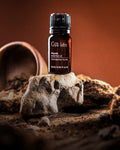

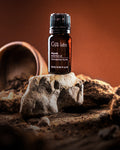
A compact trail wellness kit only needs four versatile oils: citronella for creating a less inviting environment for bugs, tea tree for everyday first-aid routines, lavender for calming post-hike rituals, and peppermint for a refreshing boost after long walks. Packed in travel-size bottles or pre-diluted rollers, they cover most outdoor wellness needs without adding unnecessary weight.
Every Ounce Counts on the Trail
One of the first lessons I learned while backpacking was that every extra item eventually feels heavier than it looked when I packed it.
That applies just as much to toiletries as it does to camping gear.
Years ago, I carried separate products for bug protection, minor scrapes, tired feet, unpleasant tent odors, and general freshening up. By the end of one weekend hike, I realized I was carrying far more than I ever actually used.
Since then, I've simplified my packing list considerably.
Instead of filling an entire pouch with products, I now rely on a handful of essential oils for camping that serve multiple purposes throughout a trip. A few small bottles take up very little room, yet they're versatile enough to become part of everything from my evening wind-down routine to freshening the inside of a tent after a damp night.
If you're putting together your first camping essential oils kit, don't overthink it. A few thoughtfully chosen oils will usually serve you better than a large collection you'll never open.
Why Multi-Use Oils Make Sense on the Trail
Camping and hiking are all about packing smart.
Every item should earn its place in your backpack.
That's why I prefer multi-purpose products whenever possible. One bottle that can be used in several different ways is much more valuable than three products that only do one thing.
The same idea applies to essential oils for hiking.
A versatile oil can be used to create an outdoor spray before a hike, freshen up your tent at the campsite, become part of a relaxing foot massage after miles on the trail, or simply help create a more enjoyable atmosphere while you're winding down for the evening.
Over time, I've found that I keep reaching for the same four oils trip after trip. They aren't necessarily the only good choices, but together they cover nearly everything I personally need outdoors.
The Four-Oil Trail Wellness Kit
If someone asked me what essential oils to bring camping, I'd recommend starting with these four.
They're practical, easy to blend, and useful in more situations than you might expect.
Citronella Essential Oil
Citronella has earned its reputation as one of the most popular bug repellent essential oils for camping, and it's easy to understand why.
Its fresh, citrus-like aroma has been associated with outdoor living for decades. Whether it's used in patio candles, outdoor sprays, or diffuser blends, citronella naturally fits into summer camping routines.
I rarely head to a campsite without it.
On warm evenings, I like adding a few drops to an outdoor diffuser placed near the picnic table. While no essential oil can guarantee a bug-free campsite, citronella helps create a fresh-smelling outdoor space that feels much more enjoyable to sit in.
It's also one of the easiest oils to blend with lavender, eucalyptus, and peppermint.
Tea Tree Essential Oil
Every trail kit should include something versatile.
For me, that's tea tree.
Its fresh, herbal aroma makes it one of the most useful additions to a camping bag, especially when you're spending several days outdoors.
Whether I'm cleaning up after a long hike or putting together a simple first-aid routine for small everyday mishaps, tea tree is usually close at hand.
It's one of those oils that quietly becomes useful again and again without demanding much space in your backpack.
Lavender Essential Oil
After hiking all day, I'm usually looking for one thing:
A chance to slow down.
Lavender has become part of that ritual.
Once camp is set up and dinner is finished, I often add a few drops to a diffuser or a pre-diluted roller blend before settling into my sleeping bag.
The soft floral aroma creates a completely different atmosphere after a long day outdoors.
It also blends beautifully with peppermint and citronella, making it one of the easiest oils to incorporate into a compact trail kit.
Peppermint Essential Oil
If lavender signals the end of the day, peppermint does the opposite.
Its crisp, minty aroma always feels refreshing after hours on the trail.
One thing I've noticed over the years is that even the smallest amount of peppermint can completely change the character of a blend. Add a couple of drops to lavender, and it feels brighter. Combine it with eucalyptus, and the entire campsite suddenly smells cleaner and fresher.
It's also the oil I reach for first when my hiking boots finally come off.
Quick Comparison: Which Oil Does What?
|
Citronella |
Outdoor bug-repelling blends |
Fresh citrus aroma that's perfect for campsites and patios |
|
Tea Tree |
Everyday trail first-aid routines |
Versatile, compact, and useful for multi-purpose outdoor care |
|
Lavender |
Evening relaxation and post-hike routines |
Soft floral aroma that helps create a calm campsite atmosphere |
|
Peppermint |
Refreshing tired feet and energizing blends |
Crisp aroma that instantly makes a space feel fresher |
Creating a Less Inviting Environment for Bugs
Let's be realistic.
No essential oil creates an invisible shield around your campsite.
Anyone promising that is overselling what aromatherapy can do.
What certain oils can do is contribute to an outdoor environment that many campers find more pleasant during mosquito season.
I've experimented with different outdoor blends over the years, and I almost always come back to citronella as the foundation. From there, I usually add peppermint for freshness and a little lavender to soften the overall aroma.
The result smells bright, clean, and far more enjoyable than many conventional outdoor sprays.
Simple Outdoor Spray
You'll Need
-
2 tablespoons witch hazel
-
2 tablespoons distilled water
-
8 drops citronella essential oil
-
5 drops peppermint essential oil
-
3 drops lavender essential oil
Directions
-
Combine the ingredients in a clean spray bottle.
-
Shake well before each use.
-
Lightly mist camping chairs, picnic blankets, or the surrounding outdoor area as desired.
I usually make a fresh bottle before every camping trip because it's quick to prepare and easy to pack alongside the rest of my gear.
Trail First Aid: Small Problems, Simple Solutions
A well-stocked first-aid kit should always be your first line of defense when you're outdoors. Bandages, antiseptic wipes, tweezers, blister pads, and any personal medications are essentials that shouldn't be replaced by essential oils.
That said, I still keep a few oils in my trail kit because they fit naturally into my post-hike routine.
After a long day on uneven ground, it's common to end up with dusty hands, tired feet, or the occasional scrape from brushing past branches. Having a few versatile oils on hand makes it easy to freshen up before settling in for the evening.
Caring for Blisters and Minor Scrapes
If you've spent enough time hiking, you've probably dealt with a blister or two.
Mine usually appear around day two of a camping trip—right when I've convinced myself my boots are finally broken in.
Once I've cleaned the affected area and covered it with a proper blister dressing, I leave it alone as much as possible. For my evening routine, I sometimes use a pre-diluted lavender roller on the surrounding skin—not directly on broken skin—to add a calming aroma while I unwind around the campsite.
Tea tree also earns a place in my trail bag because it's one of the most versatile oils to have on hand for everyday outdoor routines. Rather than carrying multiple specialty products, I prefer packing one oil that can be used in different ways throughout the trip.
The key is remembering that essential oils complement a well-prepared first-aid kit—they don't replace one.
Helping Tired Feet Feel Refreshed After Hiking
After several miles on the trail, there's one moment I always look forward to.
Taking my boots off.
It never gets old.
Long hikes can leave your feet feeling warm and tired, especially during summer. Once camp is set up, I like taking a few minutes to slow down before dinner.
A simple foot massage is usually enough.
Easy Post-Hike Foot Oil
What You'll Need
-
1 tablespoon jojoba oil
-
2 drops peppermint essential oil
-
2 drops lavender essential oil
How to Use
Mix the oils together and gently massage into clean feet and calves after your hike.
I've tried plenty of combinations over the years, but I keep coming back to peppermint and lavender. Peppermint adds a crisp, refreshing aroma, while lavender softens the blend so it feels relaxing rather than overpowering.
It's become one of those small camping rituals that helps signal the hiking day is over.
Keeping Your Tent Feeling Fresh
Anyone who's spent a few nights camping knows tents can start to feel a little stale.
Between hiking boots, damp towels, sleeping bags, and humid weather, fresh air doesn't always stick around for long.
Fortunately, it doesn't take much to freshen the space.
Quick Tent Freshening Spray
You'll Need
-
3 tablespoons distilled water
-
1 tablespoon witch hazel
-
4 drops lavender essential oil
-
3 drops peppermint essential oil
Shake well before each use and lightly mist the air inside your tent before bedtime.
I avoid spraying sleeping bags or gear directly. Instead, I give the air inside the tent a light mist while the doors are open so everything has a chance to air out naturally.
It's a simple habit, but it makes climbing into the tent at night feel noticeably more comfortable.
Smart Packing Tips for Backpackers
When backpacking, space matters almost as much as weight.
Over the years I've found that a few small changes make carrying essential oils much easier.
Choose Travel-Size Bottles
Five or ten-millilitre bottles are usually more than enough for a weekend trip.
They take up very little room and weigh next to nothing.
Pre-Dilute Before You Leave
Rather than packing several carrier oils, I often prepare a roller bottle at home before heading out.
That saves space and means it's ready whenever I need it.
Protect Against Leaks
Store bottles upright whenever possible and keep them inside a waterproof pouch.
I learned this lesson the hard way after one bottle of peppermint leaked into my backpack.
Everything smelled minty for weeks.
Fortunately, it wasn't lavender.
Safety Tips for Outdoor Adventures
Essential oils may be compact, but they still deserve careful handling.
Dilute Before Topical Use
Never apply essential oils directly to the skin unless the product instructions specifically say it's appropriate.
Carrier oils such as jojoba or fractionated coconut oil make dilution simple and help spread the oil more evenly.
Be Mindful Around Children
Kids often have much more sensitive skin and respiratory systems to oils than adults.
If you’re camping with younger kids, stick to weaker dilutions of oils and put oils safely away when the children are not around.
Consider Your Pets
When you’re camping with pets, like dogs, skip oil diffusers in a small tent or inside of an RV.
Your pets should have an escape route away from where oils are being used at all times.
Respect Nature
One of my favorite things about camping is leaving a place exactly as I found it.
Dispose of tissues, cotton pads, and empty bottles responsibly, and avoid pouring essential oils directly onto soil, plants, or into streams and lakes.
Good camping etiquette applies to aromatherapy, too.
Final Thoughts
One of the biggest lessons I've learned from years of camping is that simplicity almost always wins.
The same applies to aromatherapy.
You don't need a backpack full of bottles to enjoy the benefits of essential oils for the outdoors. A thoughtfully packed kit with citronella, tea tree, lavender, and peppermint covers far more situations than most people expect, without adding unnecessary weight to your gear.
Whether you're heading out for an overnight camping trip or a weekend of hiking, these four versatile oils can become part of a practical trail routine that fits easily into your backpack—and just as easily into your day.