


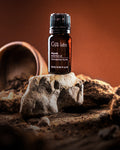
Well-diluted lavender and Roman chamomile are among the most popular essential oils used in cooling summer skincare rituals. When blended with a carrier oil or hydrosol, they can help create a refreshing body-mist routine during hot weather. Essential oils are not intended to treat allergies, eczema, or other medical skin conditions.
Summer sunshine is wonderful until your skin starts feeling dry, warm, or uncomfortable. Essential oils, especially when properly diluted and paired with a carrier oil or hydrosol, are commonly used in aromatherapy to help create a cooling, refreshing skincare routine. They aren't intended to treat allergies or medical skin conditions, but they can become a relaxing part of your summer skin care ritual.
Every summer, I seem to relearn the same lesson.
I spend a little too long outdoors. Maybe it's gardening. Maybe it's a weekend barbecue that stretches into the evening. Whatever the reason, my skin lets me know I've had enough.
Years ago, I'd reach for every lotion I could find, hoping something would magically make my skin feel comfortable again. These days my approach is much simpler. I concentrate on hydration, light carrier oils, cooling hydrosols, and a few essential oils that over the years have earned themselves a permanent place in my cabinet.
The best part? The routine takes less than ten minutes. And because it's simple, I actually stick with it.
This is a comfort ritual, not a treatment
The recipes here are designed to support skin comfort as part of a wellness routine. They are not intended to treat allergies, rashes, eczema, or any other medical skin condition. Persistent or severe itching, or itching with swelling, blistering, or a spreading rash, should be seen by a doctor rather than managed at home.
Why Does Skin Feel Itchy During Summer?
Hot weather can be surprisingly tough on your skin.
Long days in the sun, air conditioning, chlorine, saltwater, frequent showers, and even sweating more than usual can leave skin feeling dry and uncomfortable. Sometimes it's simply your skin asking for moisture. Other times, environmental factors like heat or friction can make things feel even more noticeable.
One thing I've learned over the years is not to assume every uncomfortable sensation needs another skincare product.
Sometimes your skin is simply thirsty.
Drinking water, taking a cool shower, and applying a lightweight moisturizer often make a bigger difference than adding five new products to your routine.
That's where aromatherapy fits in.
Rather than replacing good skincare habits, aromatherapy for summer comfort works best alongside them. A well-formulated blend can add a refreshing aroma while making your evening routine feel a little more enjoyable.
Honestly, that's one of the reasons I've stayed interested in essential oils for so long. They don't have to complicate your life. Used thoughtfully, they simply make everyday routines feel better.
Looking for something more specific?
If your skin feels prickly and warm after sweating, our guide to essential oils for heat rash is a better fit. For sunburn, see the DIY after-sun cooling spray. And for gentle water-based options, our hydrosols for cooling and refreshing the skin covers those in depth. This post is about the everyday cooling body-mist ritual.
Cooling Essential Oils for Skin Comfort
One of the biggest misconceptions about essential oils is that every bottle serves the same purpose.
Not even close.
Some oils feel bright and energizing. Others are warm and grounding. For summer, I usually reach for lighter, fresher aromas that pair well with cooling skincare routines.
Here are the oils I come back to every year.
Lavender
If I had to recommend just one essential oil for a beginner's summer routine, lavender would probably be it.
I've experimented with dozens of different combinations over the years, yet lavender keeps finding its way back into my diffuser, body oils, and cooling sprays.
There's a reason it remains so popular.
Its soft floral aroma feels calming without becoming overly sweet, and it blends beautifully with almost every other summer-friendly oil I use.
Many people enjoy lavender because it pairs well with lightweight carrier oils and hydrosols in DIY body care recipes. Personally, I like combining it with Roman chamomile when I want a blend that feels fresh after spending time outdoors.
It's also one of those oils that doesn't try too hard. Some fragrances announce themselves the moment you walk into a room. Lavender simply creates a clean, comforting atmosphere. And sometimes that's exactly what you want after a long, hot day.
Roman Chamomile
Roman chamomile has quietly become one of my favorite summer oils.
It doesn't receive nearly as much attention as lavender, but I think it deserves a place beside it.
The aroma is softer, slightly herbal, and incredibly easy to blend.
Whenever my skin feels dry after spending the afternoon outside, Roman chamomile is usually the second bottle I reach for.
I particularly enjoy combining it with lavender in evening body oils because neither scent overpowers the other. Instead, they create something balanced and relaxing.
Many aromatherapy enthusiasts also include chamomile in their summer routines because of its gentle aromatic profile and compatibility with carrier oils.
Peppermint
Some mornings call for coffee. Others call for peppermint.
Instantly your whole experience feels a few degrees cooler, and the shower hasn't even begun to heat up yet. I seldom use peppermint in skincare recipes by itself, but I do love a touch added to body mists and diffuser blends for very warm days — the cool feeling comes from menthol, which activates the skin's cold-sensing receptors.
It pairs especially well with lavender, creating a refreshing contrast between floral and minty notes.
A little goes a long way. More isn't necessarily better.
Eucalyptus
Eucalyptus reminds me of walking into cool shade after being outside in the afternoon heat.
I like the crisp scent especially in summer.
When I make a refreshing body mist, eucalyptus is almost always the one I put in to round everything out. It doesn't tend to get overwhelming when I blend it. Instead, it adds brightness that complements lavender and peppermint beautifully.
Why I Keep Coming Back to These Oils
Over the years I've bought plenty of trendy oils because someone online claimed they were “must-haves.”
Most eventually disappeared into the back of the cabinet.
Lavender, Roman chamomile, peppermint, and eucalyptus never did.
They're versatile. They blend well together. And they consistently make my summer routine feel lighter, fresher, and easier to enjoy. That consistency is worth more to me than chasing the latest trend.
Which Summer Oils Work Best?
Here's the combination I recommend most often.
|
Essential Oil |
Aroma Profile |
Best Used For |
|
Lavender |
Soft, floral |
Evening body oils and DIY cooling body spray recipes |
|
Roman Chamomile |
Gentle, herbal |
Relaxing body care blends |
|
Peppermint |
Fresh, cooling |
Morning body mists and diffuser blends |
|
Eucalyptus |
Crisp, clean |
Refreshing body mist and home aromatherapy |
No single oil is “better” than another. It really depends on what you enjoy and how you plan to use it.
For me, lavender and Roman chamomile create the most balanced blend, while peppermint and eucalyptus add that cooling touch I appreciate during warmer months.
Summer Skin Care Starts With Good Habits
Before we get to recipes, there's one thing worth mentioning.
Essential oils work best when they're part of a broader summer skin care routine.
I always start with the basics:
• Drinking enough water throughout the day
• Taking a cool or lukewarm shower after prolonged sun exposure
• Applying moisturizer while skin is still slightly damp
• Wearing lightweight, breathable clothing
• Staying in the shade during the hottest part of the afternoon
Only then do I reach for my aromatherapy blends.
I've found that this order makes a noticeable difference. Essential oils shouldn't be expected to do all the work. They're there to complement good skincare habits, not replace them.
DIY Cooling Lavender Body Spray
One of the questions I get asked every summer is whether you need an elaborate recipe to enjoy aromatherapy during hot weather.
You really don't.
In fact, the simplest recipes are often the ones I use most. This cooling spray has lived in my refrigerator every summer for the last few years because it's quick to make, feels refreshing after spending time outdoors, and doesn't leave my skin feeling sticky.
Just remember that this recipe is designed to support skin comfort as part of a wellness routine. It's not intended to treat allergies, rashes, eczema, or any other medical skin condition.
DIY Cooling Lavender Body Spray
- 2 tablespoons lavender hydrosol
- 2 tablespoons Roman chamomile hydrosol
- 2 tablespoons distilled water
- 1 teaspoon aloe vera juice (optional)
- 1 clean 2-ounce spray bottle
If you're using essential oils instead of hydrosols, always dilute them properly in an appropriate carrier or formulation before topical use.
How to make it:
1. Sanitize your spray bottle before use.
2. Add the lavender hydrosol, Roman chamomile hydrosol, distilled water, and aloe vera juice.
3. Close the bottle and shake gently.
4. Store it in the refrigerator for an extra cooling sensation.
5. Shake before each use and lightly mist onto clean skin.
I usually keep a bottle in the fridge from June through September. It has become one of those little rituals I actually look forward to after a long walk or an afternoon spent working in the garden. If you'd prefer to build the whole thing from hydrosols, our DIY face mist with hydrosols walks through more variations.
Building a Simple Evening Body Oil
Some evenings my skin feels like it needs more hydration than a lightweight mist can provide.
That's when I switch to a body oil.
The blend doesn't need ten different ingredients. In fact, I think people often overcomplicate DIY recipes.
Simple Evening Body Oil
- 2 tablespoons jojoba oil
- 1 tablespoon sweet almond oil
- 2 drops lavender essential oil
- 1 drop Roman chamomile essential oil
Pour the ingredients into a small glass bottle and shake well before you use it. Lightly apply to slightly damp skin just after a shower. I've tested richer oils over the years, but I always come back to jojoba for its speedy absorption that doesn't leave a heavy layer when it's humid — fittingly, jojoba closely resembles skin's own sebum.
How to Dilute Essential Oils Safely
One of the biggest misconceptions about aromatherapy is that more essential oil equals better results.
It doesn't.
Essential oils are incredibly concentrated plant extracts, which is exactly why it's crucial to use them at a proper dilution. In general, the recommended safe dilution for most adults in good health, for daily body care, is a 1–2% dilution. That works out to:
• 1% dilution: about 6 drops of essential oil per ounce (30 mL) of carrier oil
• 2% dilution: about 12 drops of essential oil per ounce (30 mL) of carrier oil
If you're new to aromatherapy, start with the lower dilution. You can always adjust later if needed.
My Favorite Carrier Oils
I reach for these most often during summer:
• Jojoba oil
• Sweet almond oil
• Fractionated coconut oil
They absorb well and allow the essential oils to spread evenly across the skin.
Always Patch Test
Even if you've used an essential oil before, patch testing is worth the extra minute.
Add a dab of your diluted blend to the inside of your forearm and check it 24 hours later before using it more widely.
It's a simple step that helps you avoid unwanted surprises.
Avoid Applying Essential Oils Near the Eyes
This is probably the most important safety tip in the entire article.
Never apply essential oils near the eyes
Even diluted essential oils can cause discomfort if they come into contact with the eyes or the surrounding tissue. When formulating any kind of facial care product, completely skip the eye area. Wash your hands thoroughly after handling essential oils, before touching your face or handling contact lenses. It's one of those precautions that's easy to overlook until you've experienced why it matters.
When Persistent Skin Irritation Needs Medical Care
Aromatherapy belongs in a wellness routine. It does not replace professional medical care.
If your skin discomfort is severe, keeps returning, or is accompanied by symptoms such as swelling, blistering, fever, difficulty breathing, widespread rash, or signs of infection, stop using the product and seek medical advice promptly.
In the same vein, if you think you might be developing a serious allergy rather than simple summer dry skin or mild irritation, make an appointment to see your doctor rather than treating it with over-the-counter remedies at home.
Final Thoughts
Summer skincare doesn't have to be complicated.
After years of experimenting with different oils, I've learned that consistency beats complexity almost every time. A lightweight moisturizer, good hydration, a cooling body mist, and a few thoughtfully chosen essential oils are usually all I need to feel more comfortable during the warmer months.
Whether you enjoy lavender, Roman chamomile, peppermint, or eucalyptus, remember that aromatherapy works best when it's paired with sensible skincare habits and realistic expectations.
Sometimes the simplest routine is the one you'll stick with, and that's often the routine that makes the biggest difference.