



Let me start with the thing everyone is actually wondering: does rosemary oil make your hair grow back? The honest answer is maybe, a little, under certain conditions, and definitely not dramatically or quickly. If that sounds underwhelming, hear me out, because the more interesting question isn't whether rosemary oil is magic. It's whether it's worth building into your routine. And I think it genuinely is just not for the reasons most of the viral content suggests.
We've been working with plant-based oils at Gya Labs for years, and rosemary essential oil is one of the most consistently popular ingredients we carry. Not because of any single claim, but because of what it does for a scalp routine as a whole. The scent alone makes the experience different. The ritual of mixing it, warming it in your palms, and spending a few minutes actually massaging your scalp that's the part that matters more than people give it credit for.
This guide is going to cover everything: what the research actually says, how to dilute and apply it properly, a DIY recipe that works, how to choose the right carrier oil for your hair type, and what to realistically expect. No exaggerated claims. No filler. Let's get into it.
What Rosemary Essential Oil Actually Is (And Why It's Different from Herb-Infused Oil)
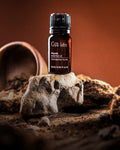
Rosemary essential oil is steam-distilled from the flowering tops and leaves of Rosmarinus officinalis a Mediterranean shrub that most people recognize from their kitchen. The distillation process concentrates the plant's aromatic compounds into a thin, pale-yellow oil that smells sharp, herbal, and clean. Nothing like the sweet or floral oils that dominate most beauty products.
It's worth clarifying one thing early: rosemary essential oil and rosemary-infused oil are not the same product. Infused oil is made by steeping dried rosemary in a carrier oil over gentle heat it's milder, easier to make at home, and a reasonable alternative if you have a sensitive scalp or prefer something gentler. Essential oil is far more concentrated and must always be diluted before use. We'll cover both in this guide, but when we refer to 'rosemary oil' throughout, we mean the essential oil.
One more thing worth knowing: essential oil quality varies considerably between suppliers. Steam distillation temperature, plant source, and storage conditions all affect the final product. At Gya Labs, our Rosemary Essential Oil is sourced and handled to preserve the integrity of the oil which matters when you're using it on your skin.
The Research: What Science Has Actually Found
There is one clinical study that gets cited almost every time rosemary oil and hair growth come up in the same sentence. Published in the journal SKINmed in 2015, it compared rosemary oil to 2% minoxidil (the active ingredient in Rogaine) over six months in people with androgenetic alopecia the most common form of pattern hair loss.
The result was striking: both groups showed a statistically similar increase in hair count by the end of the trial. But here's the part that often gets left out of the social media version of this story the rosemary oil group reported significantly less scalp itching than the minoxidil group, which is one of minoxidil's most common side effects. The researchers suggested that rosemary oil's potential mechanism involves inhibiting the conversion of testosterone to DHT, the hormone primarily responsible for androgenetic hair loss.
That's interesting. But it's one study, with a modest sample size, conducted on a specific type of hair loss. It does not mean rosemary oil cures baldness, and it doesn't apply to all hair thinning. Hair loss has many causes stress, hormonal changes, nutrient deficiencies, thyroid issues, medication side effects and rosemary oil is not a treatment for most of them.
What we can say with confidence is this: rosemary oil appears to support a healthier scalp environment, may help with scalp comfort, and in combination with regular massage, creates conditions where hair can look and feel its best. That's not a small thing it's just not a miracle either.
|
Reminder: If you are experiencing sudden, patchy, or significant hair loss, please see a dermatologist before relying on any home remedy. Some causes of hair loss need medical treatment, and delaying that by experimenting with oils first can make a real difference to outcomes. |
Rosemary Oil vs Castor Oil: Two Very Different Roles in the Same Routine
These two oils come up together constantly. People compare them, swap them, use them interchangeably — and they're actually almost completely different in what they do and how they're used. The confusion mostly comes from the fact that both appear in a lot of the same DIY hair recipes.
|
Feature |
Rosemary Essential Oil |
Castor Oil |
|
Type |
Essential oil highly concentrated aromatic compound |
Carrier oil thick, fatty, nutrient-rich |
|
Texture |
Thin and watery almost like water |
Thick and viscous slow to pour |
|
How to apply |
Must be diluted never directly on skin |
Can be applied directly or blended |
|
Role in a blend |
Active aromatic ingredient, used in drops |
Base or nourishing layer, used in tablespoons |
|
Best hair types |
All types including fine and oily |
Dry, coarse, or textured hair |
|
Routine timing |
Pre-wash scalp massage; serum-style blends |
Overnight treatments; deep-conditioning rituals |
|
Pairs well with |
Jojoba, argan, grapeseed, pumpkin seed oil |
Rosemary EO, peppermint EO, argan oil |
|
Aroma |
Sharp, herbal, medicinal |
Mild, earthy, nearly odourless |
The simplest way to think about it: rosemary essential oil is the ingredient that makes the blend do something; castor oil is the ingredient that makes the blend feel like something. In most of the better DIY recipes, they appear together because they genuinely complement each other.
For overnight scalp treatments particularly if your hair is dry, coarse, or very textured Gya Labs Castor Oil forms a rich base that stays on the scalp long enough to really nourish it. Lighter carrier oils like jojoba are better suited to daytime or regular pre-wash applications.
The DIY Rosemary Scalp Oil Blend: Our Recommended Recipe
There are a hundred versions of this recipe floating around. Most of them work fine. The one below is what we'd actually make it balances lightweight spread ability with enough richness to feel genuinely nourishing, and the proportions keep the essential oil concentration within safe dilution range for most adults.
|
Patch Test — Do This First: Apply a small amount of the finished blend to the inside of your forearm. Leave it for 24 hours. If there is no redness, itching, or irritation, it's safe to use on your scalp. Essential oils are potent, and skin sensitivity varies enormously from person to person. This step takes one day and can save you a lot of discomfort |
What You Need
• Gya Labs Rosemary Essential Oil — 6 drops (Rosmarinus officinalis)
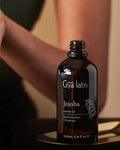
• Gya Labs Jojoba Oil — 2 tablespoons (lightweight base, mimics scalp sebum)
• Gya Labs Castor Oil — 1 tablespoon (richness and staying power)
• Pumpkin seed oil — 1 tablespoon (adds a nourishing mid-weight texture)
• Gya Labs Lavender Essential Oil — 2 drops, optional (Lavandula angustifolia — genuinely lovely in an evening ritual)
• A dark glass bottle with a dropper — amber or cobalt glass, ideally 60ml or larger
How to Make It
1. Add all carrier oils to the glass bottle first — jojoba, castor, pumpkin seed.
2. Add the essential oil drops on top. 6 drops of rosemary, 2 of lavender if you're using it.
3. Seal the bottle and roll it gently between your palms to mix — shaking too hard can introduce air bubbles that accelerate oxidation.
4. Label it with the date. Store in a cool, dark drawer — not the bathroom shelf if it gets steamy.
5. Shake gently before every use.
This recipe makes approximately 60ml and keeps well for up to three months stored correctly. After that, the carrier oils can start to oxidise. The essential oils themselves last longer, but they're diluted here so the carrier oil shelf life applies.
How to Apply It
6. Section your dry or lightly damp hair into four or five parts.
7. Apply the blend directly to the scalp not the mid-lengths or ends. Use a dropper or your fingertips.
8. Massage using the pads of your fingers (not your nails) in small, firm circular movements. Work from the nape upward. Spend a full 3–5 minutes. This step is not optional the massage is doing real work.
9. Leave on for at least 45–60 minutes, or overnight for a more intensive treatment.
10. Shampoo out thoroughly. You may need two washes if you used a generous amount or left it overnight.
If You Have Fine Hair or an Oily Scalp: The Lighter Serum Version
The recipe above is great, but it's not right for everyone. If your hair is fine, flat, or your scalp tends toward oiliness, that amount of castor oil is going to feel heavy and be a pain to wash out. This version is much easier to manage:
• 2 tablespoons jojoba oil
• 1 tablespoon grapeseed oil
• 5 drops Gya Labs Rosemary Essential Oil
That's it. No castor, no pumpkin seed. Grapeseed oil is extremely lightweight it almost disappears into the scalp which makes this blend absorb fast and wash out cleanly. Works well as a 30–45-minute pre-wash treatment two or three times a week.
Choosing the Right Carrier Oil: A Practical Guide by Scalp Type
The carrier oil you pick changes everything about how a blend feels. Get it wrong and you'll either feel like you're wearing a helmet of grease, or you'll feel like you barely applied anything at all. Here's how the main options break down:
|
Carrier Oil |
Texture |
Best Scalp Type |
Notes |
|
Jojoba Oil |
Lightweight, slightly silky |
All types especially balanced or oily |
Most versatile option; mimics natural sebum closely |
|
Grapeseed Oil |
Ultra-light, almost watery |
Fine hair, oily or sensitive scalp |
Absorbs fastest; barely noticeable on scalp |
|
Argan Oil |
Light, silky finish |
Dry-looking or fine hair |
Great for adding a slight sheen to ends as well |
|
Sweet Almond Oil |
Medium weight |
Normal to slightly dry scalp |
Easy to work with; gentle on sensitive skin |
|
Pumpkin Seed Oil |
Medium-rich, slightly earthy |
Dry or normal scalp |
Nutritionally dense; pairs well in overnight blends |
|
Castor Oil |
Thick, slow-moving |
Dry, coarse, or textured hair |
Needs a lighter oil to thin it out for easier spreading |
|
Coconut Oil |
Solid at room temperature |
Dry hair and scalp |
Harder to wash from colour-treated hair — use sparingly |
One practical note: if you are mixing castor oil into a blend, always combine it with at least an equal amount of a lighter carrier jojoba is the easiest choice. Straight castor oil is quite difficult to distribute evenly through the scalp, and you'll likely end up using far more than you need.
Browse the full Gya Labs carrier oil range to see what's available. If you are unsure where to start, jojoba is the safest bet for almost any scalp type.
How Often Should You Use Rosemary Oil? (And How Much Is Too Much)
This is where a lot of people go wrong. There's a tendency particularly with wellness trends to assume more is better. With scalp oils, that's not true. Over-oiling leads to buildup on the scalp, which can actually clog hair follicles and make hair look flat and dull. The goal is consistency, not quantity.
Frequency
• If you're just starting out: 2 times per week as a pre-wash treatment
• Once you've settled into a routine: 2–3 times per week depending on your scalp's response
• Overnight treatments: 1 time per week, maximum more than that and your scalp needs a break
Amount per application
For the essential oil: 4–8 drops per session, diluted into your carrier oil. The recipe above uses 6 drops in about 4 tablespoons of carrier oil that's roughly a 1.5% dilution, which sits within the standard safe range for adult scalp application.
For the carrier oil blend: 1–2 teaspoons is usually enough for a full scalp massage. You're applying this to the scalp, not the hair so you don't need nearly as much as you might think.
When to do it
Most people find evening application works best you can leave it on overnight, or do a 45-minute soak while you cook dinner, then shower. Morning application is workable but means either showering in the morning (fine) or walking around with oil in your hair (less ideal).
Making Your Own Infused Rosemary Oil at Home
If working with essential oils feels intimidating or if your scalp is reactive and you want something gentler to start with making a simple rosemary-infused oil at home is a genuinely good alternative. It's milder, more forgiving, and honestly quite satisfying to make.
The process is slow infusion: dried rosemary leaves + carrier oil + gentle heat + time.
What you need
• 2–3 tablespoons dried rosemary leaves (not fresh fresh contains water that can cause the oil to go rancid faster)
• 100ml carrier oil jojoba or sweet almond work well
• Small saucepan or double boiler
• Fine-mesh sieve or cheesecloth
• Clean glass bottle for storage
Method
1. Add the dried rosemary and carrier oil to your saucepan.
2. Heat on the lowest possible setting for 30–45 minutes. The oil should be warm, not hot — it must never simmer or bubble. If it's bubbling, it's too hot and you'll degrade the compounds you're trying to preserve.
3. Remove from heat and allow to cool completely at room temperature.
4. Strain through a fine sieve or cheesecloth, pressing the leaves to extract as much oil as possible.
5. Pour into a sealed glass bottle. Label with the date. Use within 4–6 weeks.
Infused oil is significantly milder than essential oil blends and can be used in exactly the same way massaged into the scalp before washing. It's a particularly good option for anyone new to oil-based scalp care, or for people with very sensitive skin.
What a Realistic Weekly Scalp Ritual Actually Looks Like
People use the word 'ritual' a lot in wellness content, and it can make a simple hair routine sound more complicated than it needs to be. Here's what a sustainable, realistic weekly schedule actually looks like — no elaborate setup, no hour-long routines every night.
|
When |
What to Do |
Which Blend |
|
Monday or Tuesday evening |
Pre-wash scalp massage, 30–45 minutes before showering |
Lightweight serum: jojoba + grapeseed + rosemary EO |
|
Thursday or Friday evening |
Overnight scalp treatment apply, sleep, wash out in morning |
Full recipe: jojoba + castor + pumpkin seed + rosemary + lavender EO |
|
Weekend morning |
Wash out the overnight treatment properly shampoo twice if needed |
Gentle sulphate-free shampoo |
|
Daily |
Reduce heat styling where possible; drink enough water; protect from harsh environments |
No product required |
That's two oil applications a week plus one proper wash. The whole active routine takes maybe 15 minutes across the week. The rest is just not undoing your work with excessive heat, harsh shampoos, or tight hairstyles.
One thing worth saying plainly: the people who get the most out of rosemary oil routines are usually the people who actually stick to them. Three months of twice-weekly applications matters. One intensive soak followed by three weeks of nothing does not.
The Gya Labs Oils We Use in This Routine
Every oil in the recipe above is available from Gya Labs. Here's what each one contributes and why we chose it over alternatives:
Gya Labs Rosemary Essential Oil → Shop here
Steam-distilled Rosmarinus officinalis. The botanical name matters here it indicates a genuine essential oil, not a fragrance blend. This is the active ingredient in the recipe. The aroma is sharp and herbal, not floral, which some people need warming up to but most come to love in the context of a scalp massage. It blends easily with every carrier oil listed in this guide.
Gya Labs Jojoba Oil → Shop here
Technically a liquid wax rather than a true oil, which is part of why it works so well on the scalp its molecular structure is closer to human sebum than most plant oils. It spreads easily, absorbs without heaviness, and doesn't oxidise as quickly as many alternatives. It's the base we'd choose for any serum-style scalp blend.
Gya Labs Castor Oil
Cold-pressed from Ricinus communis seeds. It's the oil that adds genuine weight and staying power to an overnight blend good for dry or coarse hair that needs more than a light touch. Combine it with jojoba in at least a 1:1 ratio so it spreads without turning into a sticky mess.
Gya Labs Lavender Essential Oil → Shop here
Lavandula angustifolia. Optional in the recipe, but genuinely transformative if you do your scalp treatment in the evening. The combination of rosemary and lavender has a calm, almost medicinal quality that makes the whole ritual feel more deliberate. It's also one of the best-studied essential oils for relaxation, which is not an irrelevant detail given that chronic stress is a contributing factor in hair thinning.
You can also browse the complete Gya Labs essential oils collection or explore the full carrier oil range if you want to experiment beyond this recipe.
Rosemary Oil Before and After: What to Realistically Expect
Before-and-after content around rosemary oil ranges from genuinely impressive to almost certainly staged. The honest picture is messier and more individual than any single transformation story.
Most people who use rosemary oil consistently and by consistently I mean 2–3 times per week for at least 8–12 weeks without giving up when nothing dramatic happens in week two notice changes in stages. First the scalp feels different: less itchy, less dry, more comfortable after washing. Then the hair itself starts to look different: shinier, slightly fuller at the roots, less breakage. The 'growth' people talk about is often less about new hairs appearing and more about existing hairs retaining their length instead of breaking off.
The question of how long it takes varies enormously by person. Genetics, scalp condition, stress levels, sleep, nutrition, hormonal status all of these interact with any topical routine. What we can say is: if nothing is perceptibly different after three consistent months, the routine may not be right for your specific scalp, and it's worth speaking to a professional rather than just adding more oil.
Final Thoughts: What Actually Makes This Worth Doing
Rosemary oil has survived the internet trend cycle largely because it delivers a genuine experience not a dramatic transformation, but a pleasant, consistent, low-effort ritual that makes the scalp feel good and, over time, supports healthier-looking hair.
The research is real but limited. The mechanism is plausible. The experience of doing a proper scalp massage with a blend that smells like something you actually enjoy that part is proven effective regardless of the ingredients involved.
Start with Gya Labs Rosemary Essential Oil and jojoba oil. Mix 5–6 drops into a tablespoon of jojoba. Massage it in for five minutes, twice a week. Do that for three months. See what changes, and adjust from there.
That's the whole thing. No complicated system, no expensive equipment, no unrealistic promises. Just a consistent habit that your scalp will thank you for.
For more scalp care ideas, explore our guide to soothing scalp massage oil recipes. If you need help choosing oils for your hair type, you can also reach out to us through the site.