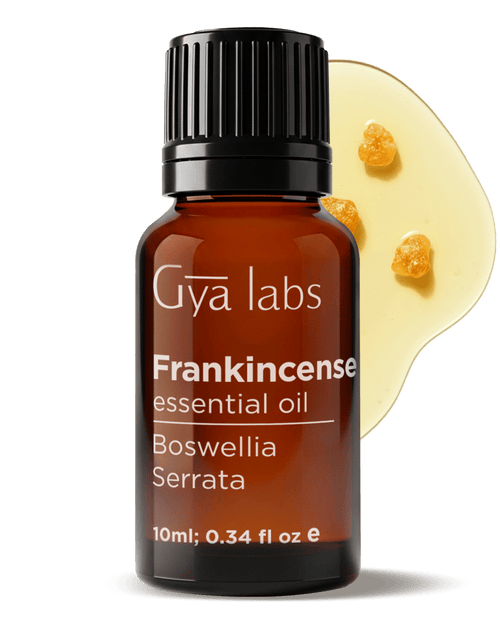
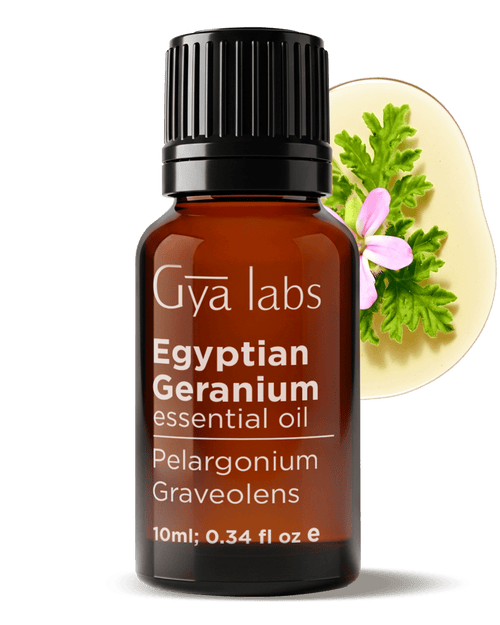
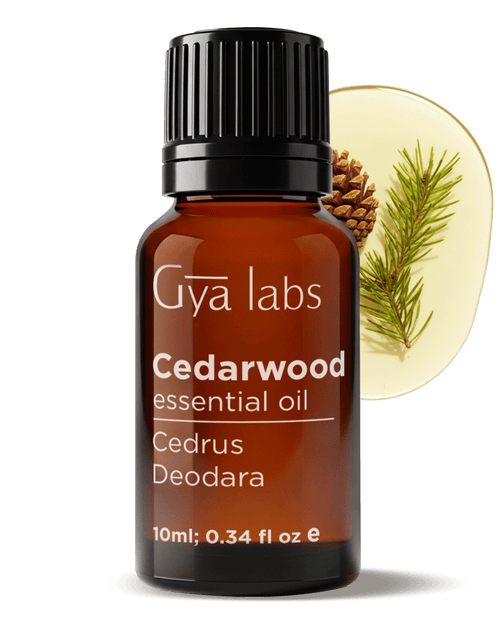
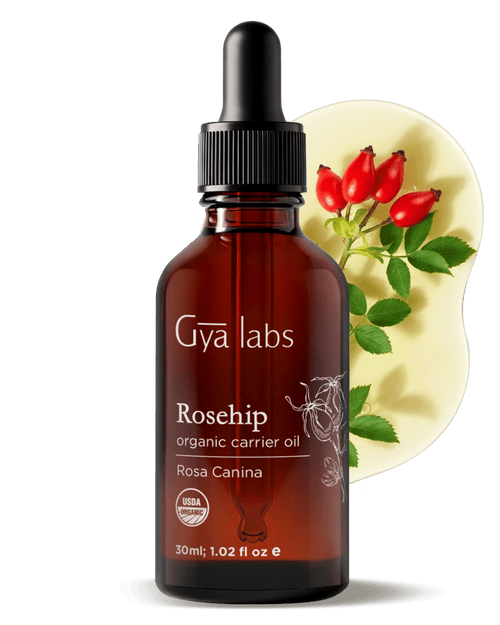
Discover a thoughtfully selected collection of essential oils for oily skin and botanical carrier oils designed to complement everyday facial and body care routines. Gya Labs brings together aromatic ingredients and lightweight oils for customers looking to build simple, personalized skincare rituals. If you are comparing the best essential oils for oily skin, this collection offers versatile options ranging from tea tree and frankincense to rosehip and jojoba oils. Each botanical will have its own aroma, texture, and application profile. The possibilities to discover combinations that work for you are endless.
In your light face oil regime; update your cosmetic shelf or shop for the botanical ingredients for DIY products. These oils may also be included in appropriately diluted facial/skincare products or cosmetics. You can choose among body oils, face oils, and custom DIY mixes in our offerings - a series of options for the foundation of your daily routine, based on texture, absorption, and finish.
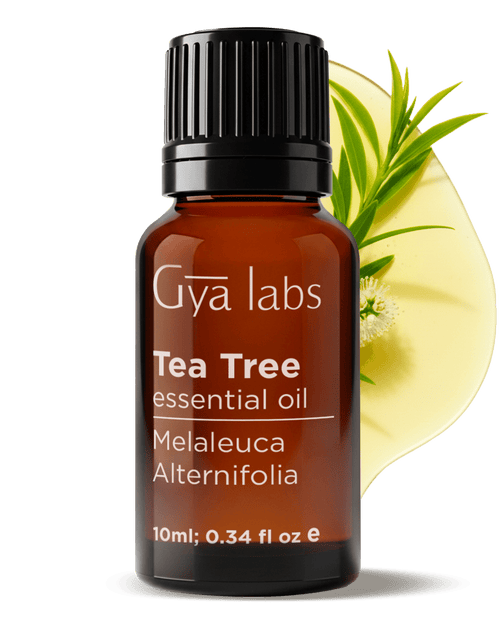
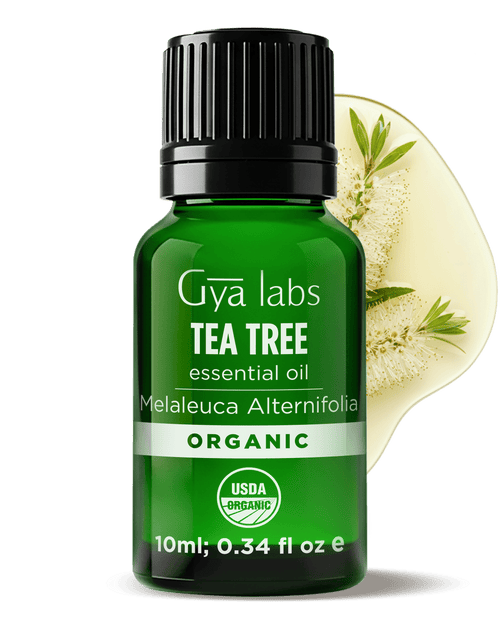
Tea Tree Oil for Skin
Tea tree oil for skin is a popular choice in botanical skincare because of its distinctive fresh, herbal aroma and versatile topical applications. Tea tree can be added to targeted blends for facial and body oils, when properly diluted in a good carrier oil. Customers searching for tea tree oil for face tend to gravitate to the lighter scent and the fact that it is suitable for basic, well-composed skincare regimens.
For those looking for organic tea tree oil, Gya Labs offers botanical options that can be incorporated into personalized blends according to product directions. Because tea tree essential oil is highly concentrated, it should be diluted appropriately before facial application rather than used undiluted.
How to Use Tea Tree Oil on the Face
If you are wondering how to use tea tree oil on face, start with a properly diluted blend and apply a small amount according to the product's directions. If you are unsure how to dilute tea tree oil for face, use the recommended dilution guidance supplied with the specific product and carrier oil. A patch test is also a practical step before adding a new blend to your regular routine.
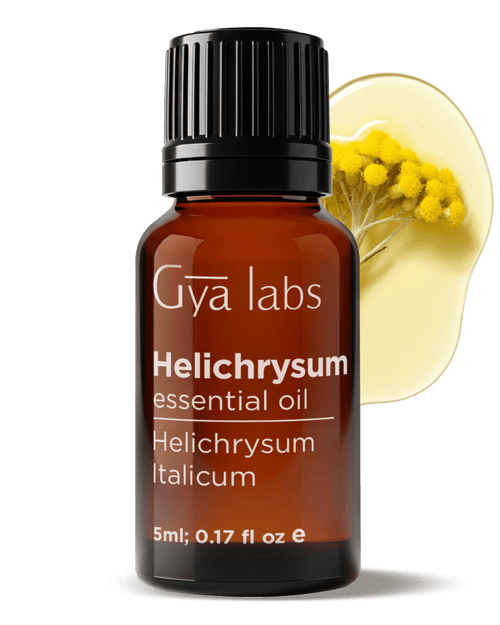
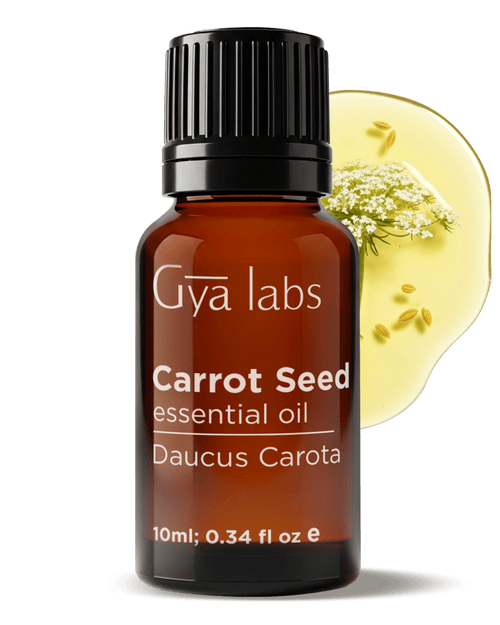
Helichrysum Oil for Skin & Carrot Seed Oil for Skin
Helichrysum oil for skin is valued for its distinctive earthy, herbaceous aroma and can be incorporated into diluted facial or body oil blends. When preparing a tailored skin care recipe, it combines nicely with other botanical scents.
Similarly, carrot seed oil for skin can be explored as part of aromatic facial and body-care blends. Topical use of both oils should always be guided by appropriate dilution and directions specific to the products, especially considering these are both potent essential oils. Pairing with allies can make the experience more pleasant, without complicating your routine.
Geranium Oil for Skin & Neroli Oil for Skin
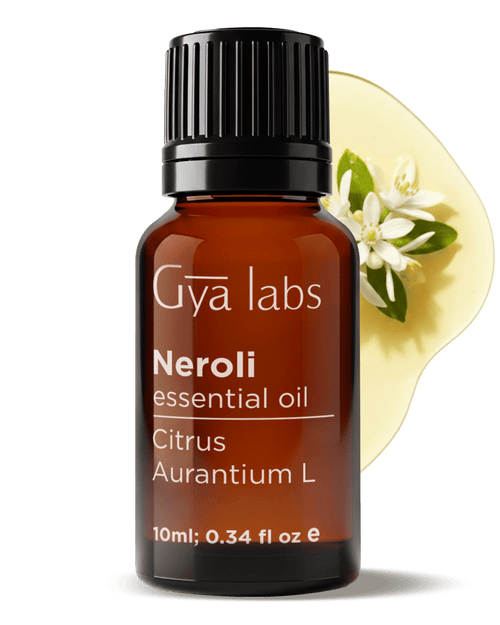
Floral essential oils can add a softer aromatic character to facial oil blends. Geranium oil for skin has a rich floral-green aroma that pairs naturally with other botanical ingredients, while neroli oil for skin offers a delicate citrus-floral profile suited to elegant personal-care formulations.
You can blend these oils with the carrier oils that they should be diluted with, to make your own custom blends for your smell, consistency and application preference. Blend these with other floral and woody oils to create a more unique aromatherapy inspired skin care experience.
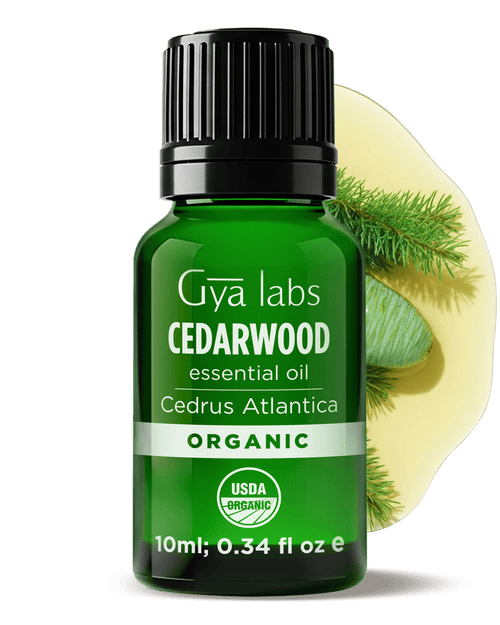
Cedarwood Oil for Skin
Cedarwood oil for skin brings a warm, woody aroma to botanical skincare blends. The aroma of cedarwood can pair well with floral, citrus and herbaceous essential oils in personalized facial and body products. As with other essential oils, cedarwood should be diluted into a carrier oil prior to applying to the skin.
For customers who prefer earthy aromas, cedarwood can be a useful addition to a simple evening skincare ritual or a personalized body oil blend.
Skin Feel & Appearance
Choosing essential oils for skin texture is less about finding one universal ingredient and more about considering the overall formulation. The carrier oil, concentration, application amount, and individual skin preferences all affect how a facial oil feels. Lightweight carrier oils can provide a more comfortable finish for customers who prefer less richness, while richer oils may suit those who enjoy a more nourishing-feeling routine.
For essential oils for combination skin, you may want to try a lightly dilute blend, changing the amount, depending on how different skin areas feel. A simple programme makes it straightforward to learn which ingredients and textures you prefer.
DIY Face Oil Blends
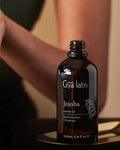
A DIY face oil for oily skin can be created by combining a suitable carrier oil with carefully selected essential oils at an appropriate dilution. Jojoba oil is another good choice for light facial products, while rosehip oil presents a texture and unique scent and scent profile.
Do not skip the step of diluting concentrated essential oils for a DIY formula. A little goes a long way. Create a small batch, use a simple formula, and be sure to label the formula – and always follow dilution guidelines for each ingredient.
Carrier Oils for Facial Blends
A suitable carrier oil for oily skin can make an important difference to the texture and finish of a facial oil blend. Gya Labs offers botanical carrier oils such as organic jojoba and organic rosehip oils that can be incorporated into personalized skincare routines. The collection also includes other carrier and beauty oils for customers who want to explore different textures and botanical profiles.
When comparing rosehip oil vs jojoba oil, think about what you like from facial oil. Rosehip oil has a naturally unique scent and consistency, and jojoba is well known for its light, silky feeling. Both would be good options to base your properly diluted essential oil blend on.
Lesser-Known Essential Oils
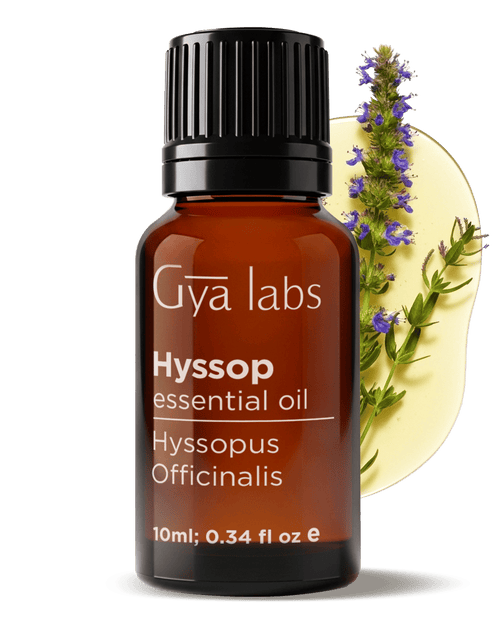
Exploring lesser-known botanicals can add variety to a skincare and aromatherapy collection. Customers researching hyssop oil uses may encounter its distinctive herbal aroma and its role in traditional aromatic practices. As with other concentrated essential oils, hyssop should be diluted appropriately for topical applications and used according to product directions.
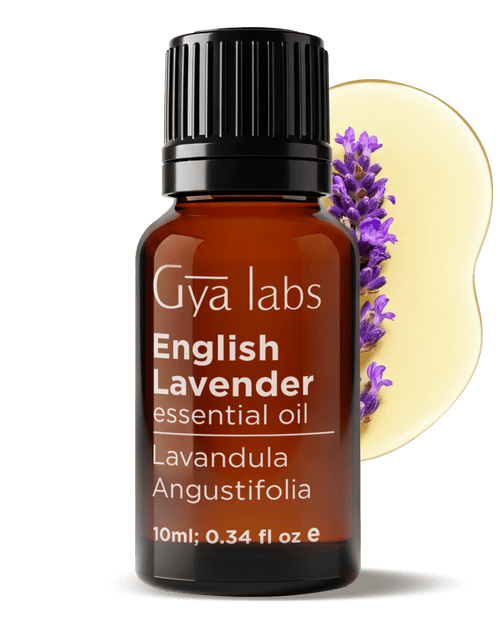
Tea tree and lavender are also frequently compared by customers developing facial oil blends. When considering tea tree vs lavender for skin, aroma preference, formulation, dilution, and intended use are all useful factors to consider. Neither needs to be treated as a universal choice; the right ingredient depends on the routine you want to create.