


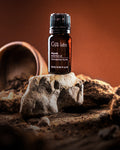
Castor oil is a thick, deeply moisturizing plant oil that works best on the face as an occasional hydrating treatment, not a daily moisturizer. Pressed from the seeds of the Ricinus communis plant, it's rich in ricinoleic acid, which helps skin hold onto moisture and calm mild irritation. Because it's so heavy, most people get the best results using one or two drops, usually blended with a lighter oil, a few nights a week. That's the short version. Here's what it actually does, how to use it properly, and who should skip it.
What Is Castor Oil?
Castor oil is a vegetable oil pressed from the seeds of the Ricinus communis plant. It's thick, slow-absorbing, and pale yellow, and it's been used in skincare, hair care, and traditional remedies for centuries. What makes it stand out is its main fatty acid, ricinoleic acid, which makes up roughly 90% of the oil and gives it both its heavy texture and its moisture-sealing quality.
A few things worth knowing before you put it on your face:
• It's one of the heaviest common skincare oils, so a little goes a long way.
• It seals moisture in rather than sinking in fast, which is why people layer or blend it.
• The raw beans contain ricin, a toxin, but that's fully removed during processing, so cosmetic castor oil is safe to use.
Is Castor Oil Good for Your Face?
Short answer: yes, for most people with normal to dry skin, as long as you use a small amount. Dermatology sources and reviews agree that castor oil's strongest, best-supported benefit is moisturizing. It acts as an emollient and an occlusive, meaning it softens skin and forms a barrier that slows water loss.
Where the honesty comes in: research on castor oil applied directly to the face is limited. It's a well-established cosmetic ingredient, but claims that it clears acne, fades dark spots, or reverses wrinkles aren't backed by strong evidence. Think of it as a good hydrator, not a fix for skin conditions. If you have oily or acne-prone skin, you may want to be cautious, since a heavy oil can feel greasy and bother some people's pores.
Benefits of Castor Oil on the Face
Most of the real, defensible benefits come back to one thing: moisture. Here's what castor oil can genuinely help with.
1. Deep hydration. Ricinoleic acid helps skin hold water, so castor oil is useful for dry, tight, or flaky patches, especially in winter.
2. A stronger-feeling skin barrier. Its occlusive texture forms a protective layer that reduces moisture loss overnight, which can leave skin feeling more comfortable.
3. Softer, smoother texture. Regular light use can make skin feel softer and look a little more supple, mostly because well-hydrated skin simply looks better.
4. A temporary plumped, glowy look. Because hydration plumps the skin slightly, fine lines can look softened right after use. This is a cosmetic, temporary effect, not permanent anti-aging.
5. Calming for mild dryness-related irritation. Ricinoleic acid has some anti-inflammatory activity, which may help soothe minor redness tied to dryness. It is not a treatment for eczema, dermatitis, or acne.
How to Use Castor Oil on Your Face
Because it's thick, technique matters more with castor oil than with lighter oils. Here's how to get it right.
Blend it, don't use it neat. Mix one part castor oil with two or three parts of a lighter carrier like jojoba or sweet almond oil. This cuts the greasiness and helps it spread. Our carrier and beauty oils collection has lighter options that pair well with it.
Start on clean skin. Wash and pat your face dry first, so you're not trapping dirt or makeup under the oil.
Use less than you think. One or two drops of the blend is enough for the whole face. Warm it between your fingers and press it in gently.
Castor Oil Overnight: What to Know
Leaving castor oil on overnight is a common way to use it, and it can work well for dry skin, giving the oil hours to hydrate and soften. The catch is the same as always: it's heavy. If you have oily or acne-prone skin, an overnight layer of a thick oil may feel greasy and could contribute to clogged pores, so a shorter 15-to-20-minute treatment wiped off with a warm cloth is a safer bet for those skin types.
If you do go overnight, keep it to a thin, diluted layer, use an old pillowcase, and see how your skin responds over a week before making it a habit.
Massage, don't rub. Use slow, upward circular motions for a minute or two. It doubles as a relaxing end-of-day ritual.
Nighttime is best. Castor oil sits on the skin rather than absorbing quickly, so evenings suit it better than mornings under makeup. If you use it in the morning, always follow with sunscreen.
Castor Oil vs Other Face Oils
Castor oil isn't the only option, and it's often not the best one for daily use. Here's how it compares to other popular face oils.
|
Oil |
Texture |
Best for |
Absorption |
How often |
|
Castor oil |
Thick |
Dry patches, sealing in moisture |
Slow |
Occasional |
|
Jojoba oil |
Light |
Everyday hydration, oily skin |
Fast |
Daily |
|
Sweet almond oil |
Medium |
Softening, gentle daily care |
Medium |
Regular |
|
Rosehip oil |
Light |
Skin tone and texture appearance |
Fast |
Daily |
|
Coconut oil |
Medium-heavy |
Very dry areas |
Medium |
Occasional |
The takeaway: castor oil is a specialist, not an all-rounder. Lighter oils like jojoba suit daily use, which is exactly why people blend castor oil with them rather than using it alone.
How Often Should You Use It?
For most skin types, two to three times a week is plenty. If your skin is very dry, you can use it a little more often, still in small amounts. If your skin is oily or acne-prone, keep it occasional, or skip it in favor of a lighter oil. Overusing a heavy oil is the most common way people end up with greasy skin or congestion, so more is genuinely not better here.
Which Skin Types Suit Castor Oil?
• Dry skin: the best match. Use small amounts and it should feel comfortable and nourishing.
• Combination skin: fine in a blend, focused on the drier areas.
• Oily or acne-prone skin: use with real caution, or choose a lighter oil instead. Patch test first and watch how your pores react.
• Sensitive skin: always patch test before applying to your whole face, since castor oil can occasionally irritate reactive skin.
Precautions
Castor oil is widely used and generally well tolerated, but a few basics keep it safe:
• Always patch test. Dab a little diluted oil on your inner forearm and wait 24 hours before using it on your face.
• Dilute and use sparingly. Neat castor oil is heavy and more likely to feel greasy or clog pores.
• Avoid the eyes. Keep it off the lash line and out of your eyes.
• Stop if you react. Redness, itching, or breakouts mean it's not for you, discontinue use.
• Check with a professional if you have a skin condition, are pregnant, or are treating a child. For general guidance, our dilution and safety guide is a good starting point.
GyaLabs Oils to Explore
If you want to build a simple routine around castor oil, here's a straightforward way to do it. Start with a pure cold-pressed castor oil as your moisture-sealing base. Blend it with a lighter jojoba oil for easy daily use and better absorption, since jojoba balances out castor oil's weight. If your focus is the look of your skin's texture, add rosehip oil to the mix. You can adjust the ratios to suit your skin and the season, and browse the wider Skin & Beauty Rituals collection for more ideas.
Final Takeaway
Castor oil earns its place in a skincare routine as a rich, dependable moisturizer, best used in small amounts, blended with a lighter oil, a few evenings a week. It's genuinely good at sealing in hydration and leaving dry skin feeling soft, and that hydration can give you a temporary glow. What it isn't is a cure for acne, wrinkles, or dark spots, and if your skin is oily or acne-prone, a lighter oil will usually serve you better. Patch test first, keep it diluted, and treat it as the specialist it is. If you'd like a clean, cold-pressed option to start with, our castor oil is a good first step.