




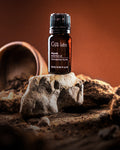
Carrier oils commonly used for frizzy hair include argan oil, coconut oil, jojoba oil, sweet almond oil, olive oil, avocado oil, grapeseed oil, and castor oil. Essential oils often added to hair oils for scent and a balanced routine include rosemary, lavender, peppermint, cedarwood, geranium, tea tree, and ylang ylang.
Why Does Hair Become Frizzy?
Frizz. Whether we like it or not, it's something most of us encounter from time to time — especially in humid conditions.
For me, my hair takes on a life of its own every time the weather changes. One day it's behaving itself; the next it seems to be on a mission to expand in every conceivable direction.
At the most basic level, frizz happens when hair lacks moisture, or when it absorbs too much moisture from the air due to humidity. Over-washing, heat styling, colouring, and environmental damage all contribute too.
That's probably why oils have featured so prominently in hair care routines for centuries. Chosen well, they can be part of a styling and grooming routine that helps frizzy-looking hair feel smoother and look more polished.
Essential Oils vs Carrier Oils: What's the Difference?
Before diving into specific recommendations, it's important to understand that essential oils and carrier oils serve very different purposes.
Essential oils are highly concentrated plant extracts. They're typically used in small amounts and are almost always diluted before being applied to the hair or scalp.
Because of their nature and hair coating properties, carrier oils are frequently added to hair treatments and are used to dilute essential oils.
If you're new to hair oiling, understanding the difference between the two can make choosing products much easier. The article Difference Between Essential Oils And Carrier Oils | Essential Oils Vs Carrier Oils explores this topic in greater detail.
7 Essential Oils for Frizzy Hair
Carrier oils are used in most hair oil blends but you can also add in essential oils for scent and a balanced hair routine.
Rosemary Oil
Rosemary oil for frizzy hair has become increasingly popular in recent years, and it's one of the oils I reach for most often.
Its fresh herbal aroma blends beautifully with carrier oils like argan and jojoba. When it comes to making a hair oil blend, rosemary is usually one of the first essential oils to cross my mind. I love how fresh and herbal the aroma is.
Lavender Oil
Lavender oil for frizzy hair is another favorite.
What I enjoy most about lavender is how versatile it is. It pairs effortlessly with almost every carrier oil and adds a soft floral note without becoming overwhelming.
When I create overnight hair oil blends, lavender is often part of the recipe because the aroma feels relaxing and works beautifully with richer oils.
Peppermint Oil
Few oils feel as refreshing as peppermint.
Peppermint oil for frizzy hair is also fairly prevalent in many hair and scalp care products; mostly for the fresh and uplifting scent. My own favorite time to use peppermint oil on my hair is on humid summer days, when some of the heavier, more greasy products feel a bit much.
Tea Tree Oil
Tea tree oil for hair has long been a staple in many hair care products.
The fresh, herbaceous smell is why it is used in hair oil mixes and personal care items. I usually use tea tree alongside other oils rather than on its own because it helps create a more balanced fragrance profile.
Cedarwood Oil
Cedarwood oil for hair is one of the most underrated options in my collection.
Its warm, woodsy aroma works particularly well when blended with rosemary or lavender. It adds depth to a hair oil without making the blend feel overly perfumed.
Geranium Oil
Geranium provides a floral fragrance which lies between rosy and citrus. I find Geranium very handy when I want to create a blend with a clean floral scent and do not want to use pure citrus oils.
Ylang Ylang Oil
This essential oil gives off a rich floral fragrance which blends so well in aromatic hair blends. A tiny amount is needed but when used with care it gives a nice decadent scent to homemade hair oils.
Quick Comparison Table
|
Essential Oil |
Aroma Profile |
Pairs Well With |
|
Rosemary |
Fresh, herbal |
Argan, jojoba |
|
Lavender |
Soft, floral |
Coconut, almond |
|
Peppermint |
Cool, minty |
Jojoba, grapeseed |
|
Tea Tree |
Herbal, clean |
Coconut, jojoba |
|
Cedarwood |
Woody, warm |
Argan, rosemary |
|
Geranium |
Fresh floral |
Almond, jojoba |
|
Ylang Ylang |
Rich floral |
Coconut, argan |
8 Carrier Oils for Frizzy Hair
Carrier oils tend to form the basis of most popular hair oil blends when it comes to frizz-busting hair routines.
Argan Oil
Many people consider argan oil for frizzy hair one of the most versatile options available.
It feels lightweight, absorbs well, and doesn't leave my hair feeling greasy. For a deeper look, see Argan Oil for Hair: Benefits and Uses for Hair Loss & Frizzy Hair.
Coconut Oil
Coconut oil for frizzy hair has been a staple in hair care routines for decades.
Its rich texture makes it particularly useful for thicker or drier hair types.
Jojoba Oil
Jojoba oil for frizzy hair remains one of my personal favorites because of how lightweight it feels.
Whenever I want moisture without heaviness, jojoba is usually my first choice.
Sweet Almond Oil
Almond oil for hair is smooth, lightweight, and easy to work with.
It blends particularly well with lavender and rosemary essential oils.
Olive Oil
Olive oil for frizzy hair has been used in beauty routines for generations.
While heavier than jojoba or argan, it can work well for very dry hair.
Avocado Oil
Avocado oil is wonderfully rich and is often a featured ingredient in deep hair oil routine.
Grapeseed Oil
Grapeseed oil is one of the lightest carrier oils available.
It's an excellent option for people who want a smoother look without adding much weight to the hair.
Castor Oil
Castor oil is thicker than most carrier oils and is often used in small amounts alongside lighter oils.
How I Use Oils for Frizzy Hair
Over the years, I've experimented with countless combinations. Some were too heavy. Some disappeared into my hair without making much difference. The blends I keep returning to are surprisingly simple.
Generally, I have the best luck with a light carrier oil — like jojoba or argan — plus either rosemary or lavender. You don't want to soak your hair; you only want enough oil to give a light coating, nothing that weighs it down.
That balance takes a little experimentation, but once you find the right combination, it's easy to maintain.
DIY Hair Oil Blend for Frizzy-Looking Hair
What You'll Need
- 2 tablespoons argan oil
- 1 tablespoon jojoba oil
- 3 drops rosemary oil
- 2 drops lavender oil
Instructions
- Mix all ingredients into a small glass bottle.
- Shake lightly.
- Dot small amounts onto hair lengths/ends.
I usually start with less than I think I need. It's always easier to add more oil than to remove excess.
How to Use Essential Oils for Frizzy Hair Safely
Essential oils should always be diluted before applying them to the hair or scalp.
A few simple guidelines:
- Use a carrier oil whenever applying essential oils topically.
- Perform a patch test on any new blends before full use.
- Keep out of the eyes.
- Use in small amounts initially.
- Stop use if any irritation occurs.
When it comes to hair oils, consistency matters far more than quantity.
Final Thoughts
Finding the right combination of oils for frizzy hair often takes a little trial and error, but it doesn't need to be complicated.
For me, a simple routine consisting of a carrier oil (which I find I prefer to be a light one) and one or two supporting essential oils is usually much more successful than overcomplicated blends. It could be argan oil and rosemary and lavender or jojoba oil and something else. Ultimately consistency and a lighter touch usually make the biggest impact.
The most successful blends are often also the simplest and the ones you will use again and again.