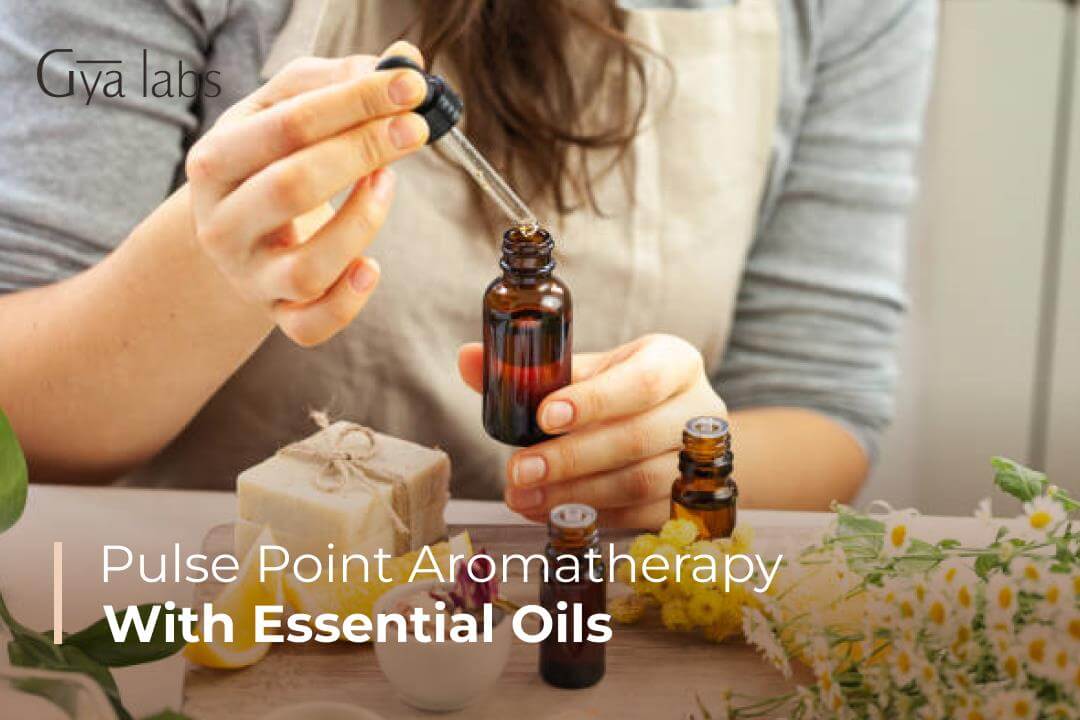



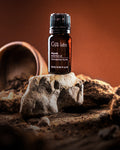
A sensual massage oil is a simple blend of a carrier oil and a few drops of diluted essential oil used to make massage feel smoother and more relaxing. Most people prefer light carrier oils like jojoba, sweet almond, or fractionated coconut oil paired with gentle scents such as ylang ylang, jasmine, or lavender. The key is to keep the blend simple, use it only on external skin, and choose a scent that feels comfortable rather than overpowering.
If you’re exploring options, you can browse Gya Labs’ Intimacy collection or the Essential Oil Singles collection for blending ideas.
What Is Sensual Massage Oil?
Sensual massage oil is a body oil used during massage to reduce friction and add a soft aromatic element to the experience. Most DIY blends are made with a carrier oil such as jojoba, sweet almond, or fractionated coconut oil, combined with a few drops of essential oil.
The focus is not on intensity but on comfort, glide, and a pleasant sensory experience.
Why People Use Sensual Massage Oils
People typically use sensual massage oils for both practical and sensory reasons.
Helps the massage feel smoother
Carrier oils allow your hands to glide easily across the skin.
Creates a calming atmosphere
A subtle scent can help make the setting feel more relaxed and intentional.
Adds a personal touch
DIY blends let you choose scents that feel natural and enjoyable.
Fits into a simple routine
A massage blend can be part of a relaxed evening or self-care routine.
Best Essential Oils for Sensual Massage
When choosing essential oils, keeping the blend simple usually works best.
|
Essential Oil |
Best For |
Scent Profile |
Pairs Well With |
|
Ylang Ylang |
Floral massage blends |
Sweet, floral, soft |
Jasmine, sandalwood, lavender |
|
Jasmine |
Evening massage oils |
Rich floral |
Ylang ylang, sandalwood |
|
Lavender |
Relaxing massage blends |
Fresh, herbaceous |
Ylang ylang, jasmine |
|
Sandalwood |
Warm, grounding blends |
Woody, smooth |
Jasmine, patchouli |
|
Patchouli |
Deeper scent blends |
Earthy, rich |
Sandalwood, ylang ylang |
Ylang-Ylang
Ylang ylang is commonly used in massage blends because of its soft floral scent. If you prefer floral notes, you can try ylang ylang essential oil.
Patchouli
Patchouli adds depth and is best used in small amounts.
Jasmine
Jasmine adds a slightly richer floral scent and pairs well with lighter oils. A few drops of jasmine essential oil can help balance a blend.
Lavender
Lavender is often used when the goal is a lighter, more calming massage experience.
Sandalwood
Sandalwood adds warmth and helps balance floral scents.
How to Choose the Right Blend
The best massage oil depends on the type of experience you want.
For a soft floral blend
Try ylang ylang with jasmine or lavender.
For a warm, grounded blend
Use sandalwood with a small amount of patchouli.
For a light, simple blend
Lavender with a neutral carrier oil works well.
For a beginner-friendly blend
Start with one carrier oil and one or two essential oils instead of mixing too many scents at once.
If you want more inspiration, you can explore this guide on aphrodisiac essential oils for love or learn basic blending techniques from this how to use essential oils guide.
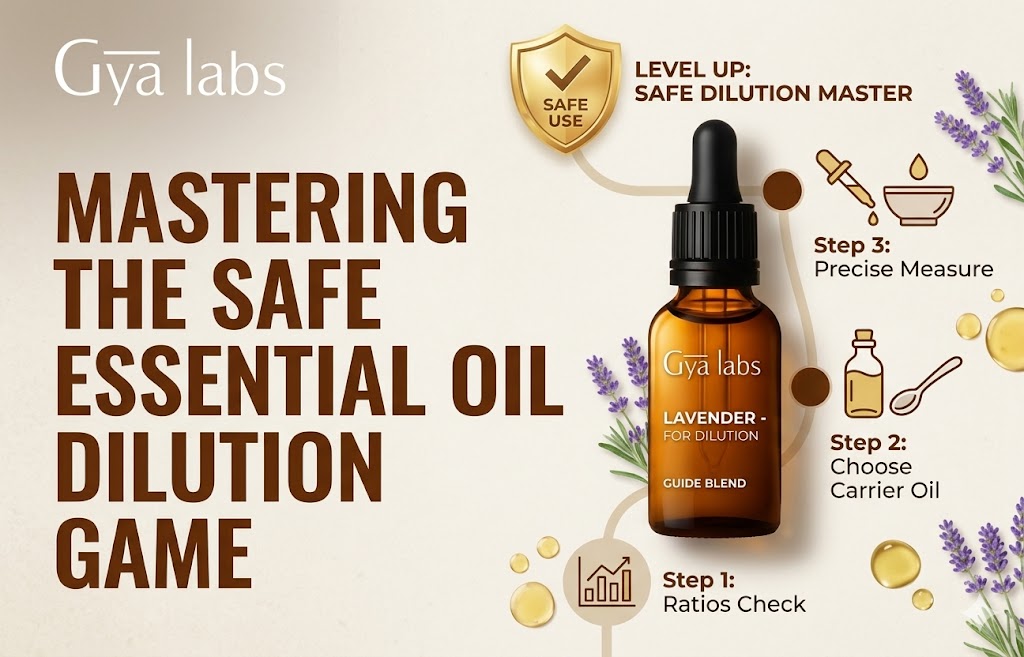
A Simple DIY Sensual Massage Oil Recipe
This beginner-friendly blend keeps the formula simple and balanced.
Soft Floral Massage Oil
Ingredients
- 2 tablespoons jojoba oil, sweet almond oil, or fractionated coconut oil
- 2 drops ylang ylang essential oil
- 1 drop jasmine essential oil
- 1 drop sandalwood essential oil
Instructions
- Add the carrier oil to a small clean bottle.
- Add the essential oils.
- Close the bottle and shake gently.
- Let it sit for a few hours before use.
- Patch test before broader application.
This makes a light massage blend intended for external body use.
More Easy Massage Oil Blends
Calm Evening Blend
- 2 tablespoons sweet almond oil
- 3 drops lavender essential oil
- 1 drop ylang ylang essential oil
This blend is softer and works well for a quiet evening massage.
Warm Floral Blend
- 2 tablespoons jojoba oil
- 2 drops jasmine essential oil
- 2 drops sandalwood essential oil
This version has a slightly richer scent while still staying balanced.
How to Use Massage Oil
You do not need complicated techniques to make a massage feel more thoughtful.
Start with a small amount
You can always add more oil if needed.
Warm the oil in your hands first
This usually feels more comfortable on the skin.
Use slow, even movements
A steady pace often feels better than too much pressure.
Keep the setting comfortable
A warm room, soft lighting, and clean towels can make the experience feel more relaxed.
Is Massage Oil Safe for Intimate Areas?
Most DIY massage oils are meant for external use only. Essential oils are concentrated ingredients and may not be suitable for sensitive or intimate areas, even when diluted. If you need a product for intimate use, choose one that is clearly labeled for that purpose.
Can massage oil be used as lubricant?
No. Massage oil and lubricant are not the same. Standard massage oils are not designed for internal or intimate use, and some may not be compatible with certain materials.
Safety Tips Before Using Any Blend
To keep your routine simple and lower-risk:
- always dilute essential oils before topical use
- patch test before first use
- use only on external skin
- avoid broken, irritated, or freshly shaved skin
- keep oils away from eyes and mucous membranes
- stop use if irritation occurs
Who Should Be More Careful With Essential Oil Blends?
Use extra caution if you:
- have sensitive or reactive skin
- have allergies to fragrance or botanicals
- have skin conditions
- are pregnant or breastfeeding
- are unsure how your skin responds to topical oils
If you have concerns, use a plain carrier oil only or speak with a qualified professional before use.
Final Takeaway
A sensual massage oil does not need to be complicated to feel special. In most cases, the best blend is a simple one: a smooth carrier oil, one or two well-chosen essential oils, and a calm setting.
If you are just starting out, begin with one carrier oil and one essential oil, test the blend carefully, and adjust only if it feels comfortable on your skin. That simple approach is often the easiest way to build a routine you will actually use.