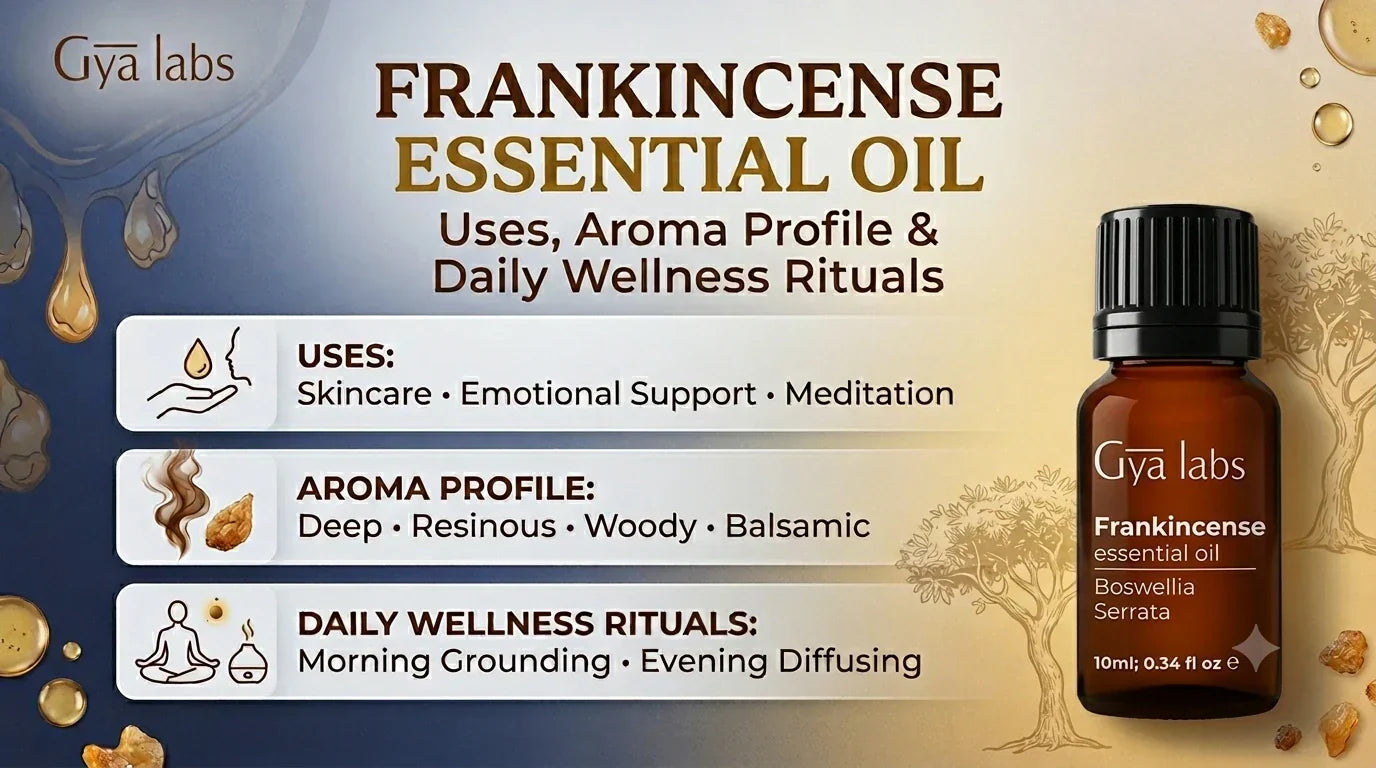



The best oils for frizzy, dry summer hair are argan oil, jojoba oil, coconut oil, and rosehip oil. Each works differently argan seals the cuticle and blocks humidity, jojoba mimics your scalp's natural oil to balance moisture, coconut penetrates the shaft to repair protein loss, and rosehip targets split ends and UV damage. Used alone or in a DIY blend, they're the most effective natural tools you've got against summer hair damage.
Here's the real situation: summer does a number on your hair from basically every direction. The sun bleaches and dries it out. Humidity makes it puff up like it's auditioning for a 1980s music video. Chlorine strips the cuticle. Salt water does its own thing. And if you're heat-styling on top of all that? Your hair is fighting a multi-front war with no armor.
I've been working with essential oils and carrier oils for over twelve years, and summer hair is one of the questions I get asked about most. Not because the solutions are complicated they're not but because people are using the wrong oils for the wrong problem. Pouring heavy coconut oil on fine hair in ninety-degree heat is not going to end well. Neither is dabbing argan oil on a scalp that needs rosemary and jojoba.
So let's break it down properly. What summer actually does to your hair, which oils fix which problems, and how to use them so you don't end up with a greasy helmet instead of soft, manageable hair.
Why Summer Is So Hard on Your Hair
You already know summer hair can be a disaster. But it helps to understand why, because the "why" actually determines which oil you need.
Heat, UV, and what they actually do to the cuticle
Your hair shaft is protected by a cuticle a layer of overlapping scales, like roof tiles, that lie flat when hair is healthy and lift when it's damaged. Heat does two things: it evaporates moisture from the cortex faster than your hair can replace it, and over time it lifts and erodes those cuticle scales themselves.
UV radiation from the sun degrades melanin (which is why hair lightens in summer) and oxidizes the disulfide bonds in the keratin protein that gives hair its structure. This is what causes that straw-like texture after a beach holiday. The protein is literally breaking down. And once those bonds are weakened, your hair becomes more porous it absorbs and loses moisture more rapidly, which is exactly what you don't want when you're trying to control frizz.
Humidity and the frizz mechanism
Frizz, frustratingly, is a moisture problem. Not too little moisture the wrong kind, at the wrong time.
Damaged, porous hair absorbs moisture from the humid air around it. That moisture swells individual strands unevenly, disrupting their wave or curl pattern and causing the shaft to expand outward. The cuticle scales, already lifted, catch on each other. The result is frizz.
The fix isn't to dry your hair out more it's to seal the cuticle so ambient moisture can't get in. That's exactly what the right oils for hair frizz humidity do. Argan oil, in particular, is exceptional here because it coats the cuticle with oleic acid and linoleic acid in a very thin, non-occlusive film that blocks humidity without weighing fine hair down.
Carrier Oils vs Essential Oils — What's the Difference?
Before we get into specifics, this distinction matters: carrier oils and essential oils are not the same thing, and they don't do the same job in your hair.
Carrier oils are fatty, plant-derived oils cold-pressed from seeds, nuts, or fruits. They're the base of any hair oil routine they physically coat, penetrate, or both. You can use them directly on hair and skin without dilution (though a patch test is always sensible for first-timers).
Essential oils are highly concentrated aromatic extracts 50 to 100 times more potent than the plant they come from. They must always be diluted in a carrier oil before applying to hair or scalp. The carrier is the delivery system. The essential oil is the active agent. If you want a deeper dive into how each carrier oil compares for different hair types, our guide to the best carrier oils for hair care covers the full picture.
For summer hair damage specifically, carrier oils do the heavy lifting: moisture, frizz control, UV protection. Essential oils add targeted benefits like scalp stimulation, growth support, and anti-dandruff action. We'll cover both.
The Best Carrier Oils for Dry, Frizzy Summer Hair
These four are the ones I come back to again and again. Each has a specific job. Pick based on your hair type and your main problem.
Argan oil — the frizz flattener
If frizz is your primary problem, argan oil is your primary solution. Full stop.
Argan oil for hair works because of its exceptionally high oleic acid content — around 45% combined with significant levels of linoleic acid and vitamin E. Together, these create a thin, flexible coating on the hair cuticle that smooths the surface, reflects light (which is why hair looks shiny), and forms a barrier against moisture intrusion from humid air. It's the best oil for hair in humidity, and it's not particularly close.
What makes it especially useful for summer is its weight profile. Argan is relatively lightweight for a fatty oil it doesn't sit heavy on the hair or create that "soaked" feeling that coconut or castor oil can produce. It's genuinely usable on fine to medium hair as a daily serum, not just a weekly treatment.
Gya Labs Organic Argan Oil is cold-pressed from Moroccan argan kernels. The aroma is minimal slightly nutty, nothing intrusive and it absorbs cleanly on hair within a few minutes without leaving residue when applied correctly.
Best for: frizz control, shine, fine-to-medium hair, daily use, post-blow-dry sealing.
Jojoba oil — the scalp balancer
Jojoba oil for hair is interesting because jojoba isn't technically an oil it's a liquid wax. And that distinction matters. Wax esters are structurally similar to sebum, the oil your scalp naturally produces. When you apply jojoba, your scalp reads it as familiar and doesn't overcorrect by producing more oil of its own.
This makes jojoba the best carrier oil for hair in hot weather specifically for the scalp. Summer heat can throw your scalp's oil production into chaos: some people get greasier as sweat and sebum mix, others get drier as heat dehydrates the scalp skin. Jojoba regulates both tendencies. It's also non-comedogenic, meaning it won't block hair follicles, which becomes genuinely important when you're sweating regularly.
Gya Labs Organic Jojoba Oil is cold-pressed and comes out clear to very pale golden good quality jojoba should look like water or very light liquid gold, never dark or cloudy. It's the one I'd recommend for anyone dealing with scalp issues alongside hair damage.
Best for: scalp health, oily or combination scalps, lightweight daily use, carrier base for essential oil blends.
Coconut oil — the deep repair
Coconut oil for hair occupies a unique position in the oil world: it's the only common hair oil that can actually penetrate into the hair shaft rather than just coating the surface. This is because of its small molecular size and high lauric acid content, which has a high affinity for hair protein.
A 2003 study published in the Journal of Cosmetic Science found that coconut oil significantly reduced protein loss from both damaged and undamaged hair both when used as a pre-wash treatment and a post-wash treatment. No other carrier oil tested (including mineral oil and sunflower oil) showed the same result.
So for chlorine-damaged or sun-damaged hair that's become porous and brittle, coconut oil is the repair tool. But it's a treatment oil, not a daily serum. Used incorrectly too much, on fine hair, in hot weather it will weigh hair down. Use it as a weekly pre-shampoo mask or overnight soak, not a leave-in.
Best for: deep repair, protein retention, thick or coarse hair, weekly treatments, chlorine recovery.
Rosehip oil — for split ends and shine
Rosehip is the sleeper choice for summer hair. It's primarily known as a skincare oil, but its composition makes it genuinely useful for hair with split ends and UV oxidation damage.
Rosehip seed oil is exceptionally high in linoleic acid (around 50%) and contains significant trans-retinoic acid (natural vitamin A), which may support cellular renewal at the scalp level. Linoleic-dominant oils tend to be lighter and more moisturizing than oleic-dominant ones, making rosehip good for adding slip and shine without heaviness.
Best for: dull, damaged hair, split end management, UV-stressed strands, blending into masks.
Essential Oils to Boost Your Hair Blend
Remember: these go into your carrier oil, not directly on your scalp or hair. 2–3 drops per tablespoon of carrier oil is the standard starting point. Don't free-pour essential oils onto your hair.
Rosemary oil for hair growth
Rosemary oil for hair growth is one of the most well-researched applications in aromatherapy. A 2015 randomized controlled trial compared rosemary oil to 2% minoxidil over six months. Both groups showed similar improvements in hair count at six months, with rosemary showing significantly less scalp itching as a side effect.
The proposed mechanism is improved microcirculation in the scalp rosemary's primary compound, 1,8-cineole, may stimulate blood flow to the follicle. For summer use, rosemary is a great addition to a scalp massage blend: 3 drops of Gya Labs Organic Rosemary Essential Oil in a tablespoon of jojoba carrier oil, massaged into the scalp for 5 minutes before washing.
Lavender and peppermint for scalp health
Lavender essential oil has documented antifungal properties that make it useful for dandruff-prone scalps a problem that sometimes worsens in summer due to increased sweat and sebum. Add 2 drops to your carrier oil scalp treatment.
Peppermint creates a cooling, tingling sensation on the scalp that feels particularly satisfying in hot weather. A 2014 animal study found that peppermint oil increased the number of follicles and follicle depth compared to minoxidil over four weeks. 1–2 drops in your blend is enough it's potent.
How to Use Oil for Frizzy Hair in Humidity — 3 Methods
This is where most people go wrong. The method matters as much as the oil itself.
Method 1 — The pre-shampoo treatment (for repair): Apply 1–2 tablespoons of coconut or argan oil to dry hair from mid-lengths to ends. Leave for 30 minutes minimum overnight if your hair is severely damaged. Shampoo out (you may need two rounds). This coats the cuticle before shampoo strips it, significantly reducing protein loss and frizz post-wash.
Method 2 — The post-wash serum (for daily frizz control): While hair is still damp after washing — not soaking wet, towel-blotted warm 2–3 drops of argan oil between your palms and smooth over the mid-lengths and ends. Avoid the roots if your hair runs oily. Let dry naturally or blow-dry as usual.
Method 3 — The scalp massage blend (for growth + scalp health): Mix 3 drops rosemary + 1 drop peppermint into 1 tablespoon jojoba. Part your hair into sections and apply directly to the scalp with your fingertips. Massage for 5 minutes. Leave on for at least an hour (or overnight under a shower cap). Wash out. Do this once or twice a week, not daily.
Safety Note
Essential oils are never applied undiluted to the scalp or hair. 2% dilution = approximately 12 drops of essential oil per ounce (30ml) of carrier oil, or 3 drops per tablespoon. When in doubt, use less and increase gradually. Patch test 24 hours before first use. If you experience irritation, rinse immediately with carrier oil (not water) and discontinue use.
DIY Hair Oil Blend Recipes for Summer
You don't need many ingredients. The recipes below are intentionally simple because simple is what you'll actually make and use.
Anti-frizz daily serum (lightweight)
The Summer Frizz Serum
What you'll need:
• 2 tablespoons Organic Argan Oil
• 1 tablespoon Organic Jojoba Oil
• 3 drops lavender essential oil
• 2 drops rosemary essential oil
• 1 small dark glass dropper bottle (30ml)
How to make it:
1. Add essential oils to the dropper bottle first.
2. Pour in argan oil, then jojoba. Close tightly.
3. Roll between palms for 30 seconds to blend.
4. Label with date. Shelf life: 12 months stored cool and dark.
Note: Light enough for daily use on fine to medium hair. For thicker or coarser hair, increase argan to 3 tablespoons.
Deep conditioning overnight mask
The Overnight Repair Mask
What you'll need:
• 3 tablespoons coconut oil (melted)
• 1 tablespoon rosehip oil
• 4 drops rosemary essential oil
• 2 drops lavender essential oil
• An old t-shirt or shower cap
How to make it:
1. Gently melt coconut oil if solid (place jar in warm water).
2. Add rosehip oil and essential oils. Stir to combine.
3. Cool slightly before applying — warm, not hot.
4. Apply to dry hair from roots to ends. Cover with t-shirt or shower cap.
5. Leave overnight. Shampoo out twice in the morning.
Note: Use once a week for damaged hair, once every 2 weeks for maintenance. Do not use undiluted coconut oil on fine hair — rosehip lightens the texture considerably.
These three blends cover your core summer needs. If you want to go further with custom scented blends and hair mists, we've put together a full set of DIY hair oil recipes with essential oils — including spray formulas that work great for refresh-on-the-go in hot weather.
Post-swim chlorine rescue soak
The Chlorine Rescue Oil
What you'll need:
• 2 tablespoons coconut oil
• 1 tablespoon argan oil
• 3 drops lavender essential oil
• 1 drop peppermint essential oil
How to make it:
1. Combine all oils in a small bowl or bottle.
2. Apply immediately after swimming before shampooing — to dry or towel-blotted hair.
3. Leave on for 15–20 minutes.
4. Shampoo thoroughly (may need two washes).
Note: Pre-swim tip: apply a small amount of coconut oil to hair before getting in the pool. Saturated hair absorbs significantly less chlorine than dry, porous hair.
How to Protect Hair from Sun and Chlorine
• Pre-swim oil application: Coat hair with a thin layer of coconut or argan oil before getting in the water. Saturated hair is less porous and absorbs less chlorine.
• Rinse before you swim: Hair saturated with fresh water absorbs less chlorinated or salt water. Rinse in the shower before getting in the pool.
• Oils to protect hair from sun: Argan and carrot seed oil both contain antioxidants that help neutralize UV-generated free radicals. These provide meaningful baseline protection alongside hats and SPF hair products.
• Post-sun treatment: If your hair has been in the sun all day, use the pre-shampoo treatment before your next wash rather than after. Going from sun exposure directly into shampoo without treatment first is hard on already-weakened cuticles.
• Protective styles: Braids, buns, and twists reduce surface area exposed to the sun and mechanical friction from wind. Not glamorous advice, but it works.
How Often Should You Oil Your Hair in Summer?
This is one of the questions I get asked most, and the answer depends entirely on your hair type and which oil you're using.
Daily serum (argan, jojoba — 2–3 drops on damp hair): Every wash day, or daily if you're not washing daily. A very light application doesn't build up if you're using a light oil like argan or jojoba.
Pre-shampoo treatment (any oil, generous amount): Once a week for damaged or dry hair. Once every two weeks for healthy hair as maintenance.
Overnight mask (coconut-based): Once a week maximum for very damaged hair. Once every two weeks for healthy maintenance. More than this and you risk buildup, especially on fine hair.
Scalp massage blend (rosemary + peppermint in jojoba): Once or twice a week. Daily scalp massage is fine — but with just the carrier oil, or with a very light essential oil dilution.
The general rule: lighter oils can be used more frequently, heavier oils less so. When in doubt, use less than you think you need. Hair oil mistakes are almost always too much, not too little.
Argan vs Jojoba vs Coconut — Quick Comparison
|
Oil |
Best for |
Weight |
Frizz control |
Penetrates shaft |
Scalp use |
Hair types |
|
Argan |
Frizz, shine, daily use |
Light–medium |
★★★★☆ |
Surface coating |
Yes (light) |
Fine to thick |
|
Jojoba |
Scalp balance, daily base |
Very light |
★★★☆☆ |
Surface (wax) |
Yes (best) |
All types, oily |
|
Coconut |
Deep repair, protein loss |
Medium–heavy |
★★★☆☆ |
Yes — into shaft |
With caution |
Medium to thick |
|
Rosehip |
Split ends, UV damage, shine |
Light |
★★☆☆☆ |
Surface coating |
Yes (dry scalps) |
Fine to medium |
|
Rosemary EO |
Hair growth (diluted in carrier) |
N/A |
— |
Scalp level |
Yes (diluted) |
All types |
Final Takeaway
Summer is genuinely hard on hair. But the fix isn't complicated — it's consistent, and it starts with the right oils for the right job.
Argan for frizz. Jojoba for the scalp. Coconut for deep repair. Rosemary when you want to put some energy back into growth. A few drops, a few minutes, done.
Don't wait until your hair is snapping and dull in September to start. Apply a serum after every wash now. Do the pre-swim oil treatment every pool visit. Run the weekly mask on Sunday evenings while you're watching something anyway. It takes almost no time and makes a measurable difference not over years, but over weeks.