



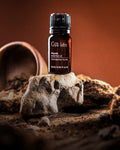

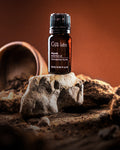
One of the most common ways to use peppermint oil for mice is by placing a few drops on cotton balls and positioning them near entry points, pantries, garages, and other areas where mice may travel. Since the scent fades over time, regular reapplication is important.
Why People Use Peppermint Oil Around Mice
Few household surprises are as frustrating as finding signs of mice in the pantry, garage, or storage areas. Whether it's a chewed food package, scratching sounds behind the walls, or droppings where they shouldn't be, most homeowners want a solution that is effective, practical, and easy to use.
That's one reason peppermint oil for mice has become such a popular topic.
I've noticed that whenever people start looking for a natural mouse repellent, peppermint oil is often one of the first suggestions they come across. The strong minty aroma is refreshing to us, but many people believe it can help make certain areas less appealing to rodents.
Be reasonable in what you hope to achieve.
Peppermint oil is unlikely to be the solution to an active mouse infestation. It can however, be used as part of an overall prevention program in addition to sanitation, food storage and entry point proofing.
Why Peppermint Oil Is Used as a Mouse Repellent
Peppermint oil has a powerful, unmistakable aroma.
A single drop can quickly fill a small area with its fresh, cooling scent. Because mice rely heavily on their sense of smell to navigate and locate food sources, strongly scented products are often used in attempts to disrupt their normal behavior.
This is why peppermint oil to repel mice remains one of the most commonly discussed DIY approaches to rodent prevention.
When I use peppermint oil around the house, I don't think of it as a standalone solution. Instead, I see it as one piece of a larger prevention plan that includes keeping food sealed, reducing clutter, and addressing any gaps where rodents could enter.
How To Use Peppermint Oil For Mice
There are several ways to use peppermint oil around the home. Some methods work better in small enclosed spaces, while others are more practical for larger areas.
Peppermint Oil Cotton Balls
The most common method involves peppermint oil cotton balls.
It's simple, affordable, and requires very little effort.
What You'll Need
- Cotton balls
- Peppermint essential oil
- Small dish or container (optional)
Instructions
- Add 5–10 drops of peppermint oil to each cotton ball.
- Place the cotton balls in areas where mouse activity is suspected.
- Replace them every few days or whenever the scent becomes weak.
I've used this method in storage closets and utility rooms because it's quick and doesn't require any special equipment.
Using Peppermint Oil Around Entry Points
Another popular approach is placing peppermint oil near potential access routes.
Areas to check include:
- Door thresholds
- Utility pipe openings
- Small cracks near foundations
- Garage door edges
- Baseboards
Using peppermint oil around entry points may help create a stronger scent barrier in locations where mice are most likely to enter.
Of course, scent alone won't stop rodents from getting inside. Sealing gaps and repairing openings should always be part of the process.
Using Peppermint Oil in the Pantry
Food storage areas are often a major concern.
If you're considering using peppermint oil in pantry spaces, avoid applying the oil directly to shelves or food packaging.
Instead:
- Put the peppermint cotton balls into the little dishes.
- Keep them out of food storage.
- Change them to refresh the scent periodically.
I prefer using this method in corners or near pantry doors rather than directly beside stored food items.
Using Peppermint Oil in the Garage
Garages often contain clutter, storage boxes, pet food, and seasonal items that can attract rodents.
Using peppermint oil in garage spaces is one of the easiest ways to introduce the scent into areas that are not visited daily.
Good locations include:
- Near storage shelves
- Around garage doors
- Along walls
- Close to utility access points
Since garages can be larger and less enclosed than indoor rooms, cotton balls may need to be refreshed more frequently.
DIY Peppermint Oil Spray for Mice
Cotton balls aren't the only option.
A peppermint oil spray for mice can be useful when treating larger areas or hard-to-reach surfaces.
Simple Mouse Repellent Spray Recipe
Ingredients
- 1 cup water
- 15–20 drops peppermint oil
- Spray bottle
Instructions
- Put peppermint oil into a spray bottle.
- Fill up with water.
- Shake vigorously before each application.
- Spray around baseboards, corners, entry ways and storage spaces.
I've found this type of mouse repellent spray particularly useful in garages and basements where placing multiple cotton balls can become inconvenient.
Because essential oils and water naturally separate, remember to shake the bottle before spraying.
Peppermint Oil vs Other Natural Mouse Repellent Methods
Peppermint oil is just one option among several natural mouse repellent approaches.
| Method | Best Use |
|---|---|
| Peppermint Oil Cotton Balls | Small spaces and entry points |
| Peppermint Oil Spray | Larger areas and surfaces |
| Sealing Cracks and Gaps | Long-term prevention |
| Proper Food Storage | Reducing attractants |
| Decluttering Storage Areas | Limiting nesting locations |
What Peppermint Oil Can and Cannot Do
This is where many articles become unrealistic.
Peppermint oil may help create an environment that mice find less appealing.
What it cannot do is:
- Eliminate an established infestation
- Substitute professional pest control
- Seal up any openings in the walls
- Eliminate food sources
That's why I always recommend viewing peppermint mouse repellent methods as part of a larger prevention strategy rather than a complete solution.
The strongest long-term results usually come from combining:
- Cleaning
- Proper storage
- Home maintenance
- Peppermint oil applications
Safety Considerations
Around Children
Keep essential oils out of reach of children and avoid allowing concentrated oils to come into direct contact with skin.
Around Pets
Peppermint oil may not be suitable for all pets.
If you have cats, dogs, or other animals in the home, consult your veterinarian before using essential oils in areas they frequent.
Ventilation
The strong scent can be too much in confined areas.
Wherever possible, use peppermint oil in a well-aired room.
Storage
Store peppermint oil in a cool, dry location away from direct sunlight.
Additional Reading
If you're interested in learning more about essential oils and how they're studied, All The Research On Essential Oils In One Place is a useful resource that explores a wide range of aromatherapy topics.
Peppermint oil is also commonly featured in outdoor products and seasonal blends. Essential Oil Bug Repellent | Natural Bug Repellent takes a closer look at another practical use for this versatile oil.
Final Thoughts
If you're looking for how to use peppermint oil for mice naturally, start at the most fundamental level. Using cotton balls, sprays, or strategically placing a deterrent can introduce the pungent scent of peppermint into the likely travel paths of the mice.
In my own experience, what works best is also the simplest; that is, to consistently use peppermint oil and keep all food in secured containers while simultaneously securing the entry points into the home. Peppermint oil itself will not work miracles, however it may be a good complement to your own prevention strategy.