



If your living room smells more like a kennel than a home, you’re not alone. I’ve been there — two dogs, one cat, and a couch that seemed to absorb every wet-paw afternoon like a sponge. After years of experimenting with store-bought sprays that just layered fake floral scent on top of dog funk (not a good combo, trust me), I started looking into making my own sprays using essential oils.
The short answer for anyone skimming: a mix of baking soda, white vinegar, and a few drops of pet-safe essential oils like lavender or cedarwood makes an effective, affordable odor eliminator you can use on furniture, bedding, and carpets. But — and this is the part most blogs skip — not all essential oils are safe around animals, and the way you use them matters just as much as which ones you pick.
So before we get into any recipes, let’s talk safety first. Because your pet’s health is more important than a fresh-smelling sofa.
Safety First: Read This Before You Make Anything
I’m putting this at the top on purpose. Too many DIY blogs bury the safety section at the bottom, after they’ve already told you to spray things on your dog. That’s backwards.
Here’s what you need to know:
Essential oils are concentrated plant compounds. A single drop of lavender oil contains the aromatic equivalent of dozens of lavender flowers. That concentration is exactly what makes them effective — and exactly what makes them risky if you’re careless.
Dogs and cats metabolize substances differently than humans. Cats, in particular, lack a liver enzyme called glucuronyl transferase, which means they can’t break down certain compounds found in essential oils. What smells pleasant to you can make a cat seriously ill.
Essential Oils to Avoid Around Pets
• Tea tree (melaleuca) — toxic to both cats and dogs at concentrated levels
• Pennyroyal
• Wintergreen
• Birch
• Pine and fir oils in high concentrations
• Cinnamon bark (not cassia — bark specifically)
• Clove oil in large amounts
• Any oil high in phenols (oregano, thyme in large doses)
This list isn’t exhaustive. The ASPCA maintains a comprehensive toxic substances database that’s worth bookmarking. If your pet ever ingests essential oils or shows signs of distress after exposure, contact the ASPCA Animal Poison Control Center at (888) 426-4435 or the Pet Poison Helpline at (855) 764-7661 immediately.
Ground Rules for Safe Use
1. Never apply undiluted essential oils directly on a pet’s skin or fur
2. Always dilute to 0.5–1% for any spray that might contact an animal (that’s roughly 1–2 drops per tablespoon of carrier liquid)
3. Keep diffuser sessions short — 30 minutes max — and make sure the room is ventilated
4. Give your pet an exit. If they can leave the room, they will if the scent bothers them. If they can’t leave, don’t diffuse in that space.
5. Puppies under 12 weeks, senior dogs with liver issues, brachycephalic breeds (bulldogs, pugs, Boston terriers), and pregnant animals need extra caution. When in doubt, skip the oils entirely and stick with baking soda alone.
Special Note for Cat Owners
I’d honestly recommend keeping essential oil use minimal if you have cats. Use the sprays on surfaces your cat doesn’t directly contact, never spray near their litter box or food area, and never apply oils to their fur or bedding. The safest approach for cat households is to stick with baking soda and vinegar solutions, and use essential oils only in well-ventilated rooms your cat can freely leave.
Dr. Sarah Mitchell, DVM, who reviewed this article, puts it simply: “The dose makes the poison. A well-diluted lavender spray on a couch cushion is a very different thing from applying undiluted oil to a cat’s ear. Context and concentration matter enormously.”
Why Homemade Sprays Work Better Than You’d Think
Most commercial pet odor products rely on synthetic fragrance to cover up smells. Walk down the cleaning aisle and pick up any pet spray — the ingredient list usually reads like a chemistry textbook. Artificial fragrances, propellants, preservatives, and compounds I can’t pronounce.
The thing is, masking a smell isn’t the same as removing it. And some of those synthetic fragrances can be overwhelming for animals with noses that are 10,000 to 100,000 times more sensitive than ours.
A homemade approach works differently. Baking soda physically absorbs odor molecules. Vinegar neutralizes alkaline odor compounds (which is why it’s especially useful for urine smells). And certain essential oils — when used carefully — contribute antimicrobial properties and pleasant scent without the chemical cocktail.
The tradeoff? You have to actually make the stuff. It takes about five minutes. And you’ll need to shake the bottle before each use because there are no emulsifiers keeping everything perfectly blended. Small price to pay, honestly.
Essential Oils That Work Well for Home Freshening Around Pets
Not every oil is created equal, and “natural” doesn’t automatically mean “safe.” That said, a handful of essential oils are commonly used in pet-owning households and are generally well-tolerated when diluted and used on surfaces (not directly on animals):
Lavender (Lavandula angustifolia)
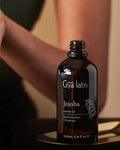
Probably the most widely used option. It has a mild, floral scent that doesn’t overpower a room. In our testing, lavender-based sprays did the best job of actually making a room smell clean rather than just “scented.” Gya Labs Lavender Essential Oil is what we used for all the recipes in this article.
Cedarwood (Juniperus virginiana)
Warmer, woodsier. It blends really well with lavender and adds depth to a spray that might otherwise smell like a spa waiting room. We used Gya Labs Cedarwood Essential Oil and found it particularly effective in sprays for dog bedding and fabric furniture.
Lemon (Citrus limon)
Bright and sharp. Works well in kitchen and bathroom freshening blends. One note: citrus oils can be photosensitive, so if you’re using a lemon-based spray on outdoor cushions, let them dry completely before sitting on them in direct sunlight. Gya Labs Lemon Essential Oil is what we reached for in our cleaning recipes.
Sweet Orange (Citrus sinensis)
Similar citrus brightness but slightly sweeter and less sharp than lemon. Lovely in a room spray. Gya Labs Sweet Orange Essential Oil mixes easily and the scent is universally likeable — even among my friends who say they “don’t like essential oils.”
A Note About Tea Tree Oil
You’ll see some blogs recommend tea tree (melaleuca) for its antimicrobial properties. And while tea tree is a powerful oil, it’s on the ASPCA’s list of oils that can be toxic to both dogs and cats, especially in higher concentrations. I personally don’t use it in any pet-area sprays, and I’d suggest you don’t either. There are safer alternatives that work just as well for freshening purposes.
For more ideas on keeping pet areas smelling fresh, our guide on essential oils for removing pet odors from upholstery covers fabric-specific tips, and our pet-safe essential oils overview goes deeper on which oils to use and which to avoid.
DIY Dog Deodorizing Spray (Between-Bath Freshener)
This is the recipe I use most often. It’s gentle enough to lightly mist onto a brush and then run through your dog’s coat between proper baths. I want to be clear though — this isn’t a replacement for bathing. Think of it more like dry shampoo for your dog.
What You’ll Need
• 1 cup distilled water (tap water works in a pinch, but distilled lasts longer without developing bacteria)
• 1 tablespoon witch hazel (acts as a mild astringent and helps the oils disperse)
• 1 drop Gya Labs Lavender Essential Oil
• 1 drop Gya Labs Cedarwood Essential Oil
• A clean spray bottle
How to Make It
1. Pour the distilled water into your spray bottle
2. Add the witch hazel
3. Add your essential oil drops — just one of each, seriously, resist the urge to add more
4. Seal the bottle and shake well
How to Use It
Shake the bottle before each use (the oils will separate when sitting). Spray a light mist onto your grooming brush and then brush through your dog’s coat. Don’t spray directly onto their face, ears, or any irritated skin. You can also mist this lightly onto dog blankets and the surface of dog beds.
Shelf life: About 1–2 weeks. Because there are no preservatives, make small batches and replace them regularly. If it starts to smell off, dump it and make a fresh one.
Who should skip this recipe: Puppies under 12 weeks, dogs with known skin sensitivities, and dogs with respiratory conditions. If you’re not sure, just ask your vet first.
Baking Soda Carpet and Bedding Deodorizer
Baking soda is honestly the unsung hero of odor removal. It’s been around forever, it costs almost nothing, and it genuinely works — not through fragrance, but by physically absorbing odor molecules from surfaces.
For Carpets and Rugs
1. Sprinkle a thin, even layer of baking soda over the carpet — focus on high-traffic pet areas
2. Optionally, mix 2-3 drops of lavender essential oil into the baking soda first (stir it in a bowl with a fork before sprinkling)
3. Let it sit for 20-30 minutes. Go walk the dog or something.
4. Vacuum thoroughly
That’s it. No fancy technique. The baking soda pulls odors out of the carpet fibers, and the lavender adds a subtle fresh scent as you vacuum. Do this weekly during summer months or shedding season and you’ll notice a real difference.
Quick heads up: Not all vacuums handle fine powders well. Check your vacuum’s manual before going nuts with the baking soda — some models (especially bagless ones with HEPA filters) can get clogged. A standard upright with a bag handles it fine.
For Pet Bedding
Sprinkle baking soda directly on the fabric, let it sit for 15 minutes, then shake it out outside and toss the bed in the wash. The baking soda pre-treatment helps the washing machine do a much better job with embedded odors.
Room and Furniture Freshener Spray
Pet smells don’t just live on your pet. They settle into couch cushions, curtains, throw pillows, and that one armchair your dog has claimed as their personal throne. This spray works well for a quick refresh between deep cleans.
What You’ll Need
• 1 cup distilled water
• 2 tablespoons white vinegar (the vinegar smell disappears as it dries, I promise)
• 1 tablespoon witch hazel
• 2 drops lavender essential oil
• 1 drop lemon essential oil
Mix everything in a spray bottle, shake well, and lightly mist onto upholstery from about 12 inches away. Don’t soak the fabric — just a light, even mist. Let it air dry completely before anyone (human or animal) sits on it.
I usually spray the couch cushions after my dogs go outside in the morning. By the time they come back in, everything’s dry and the living room smells noticeably better.
Where to Use It (and Where Not To)
Use on: Sofas, armchairs, curtains, throw pillows, car seats, dog crate covers, and any fabric surface that holds onto pet scent. Spot-test on a hidden area first if you’re worried about delicate fabrics.
Do NOT use on: Directly on your pet, near food or water bowls, or on surfaces your cat regularly licks or grooms on.
Tackling Cat Urine Odor (The Honest Version)
I’ll be straight with you — cat urine is the toughest odor to deal with, and no essential oil spray is going to solve it on its own.
Cat urine contains uric acid crystals that bond to surfaces at a molecular level. Regular cleaning products and even vinegar will reduce the smell temporarily, but those crystals can reactivate when humidity rises. That’s why you can clean a spot thoroughly and then smell it again on a rainy day.
Step 1: Enzymatic Cleaner First
Always start here. An enzymatic cleaner contains biological enzymes that break down uric acid crystals. This is the only type of cleaner that truly eliminates cat urine odor rather than just masking it. You can find them at any pet store. Apply generously, let it soak according to the product directions, and blot dry.
Step 2: Let It Dry
Seriously, give it 24 hours. Don’t rush this part.
Step 3: Then Use a Freshening Spray
Once the enzyme cleaner has done the heavy lifting, a light mist of the room spray recipe above can help the surrounding area smell fresh. Spray the area around the cleaned spot not directly on it, since you don’t want to interfere with the enzymatic treatment.
What doesn’t work: Spraying essential oils over cat urine and hoping for the best. Trust me, I tried this approach early on and ended up with a rug that smelled like lavender AND cat pee. Not the vibe.
For Ongoing Litter Box Odor
Keep the box clean (scoop daily, full litter change weekly), and if you want to freshen the room the box is in, place a diffuser at least 6 feet away from the box in a well-ventilated area. Never add oils to the litter itself your cat’s paws and nose are too close to the surface.
Outdoor Pet Area Freshener
Patios, kennels, dog runs, and that one spot in the yard your dog has designated as their personal bathroom outdoor areas develop their own funk, especially in warm weather.
A simple outdoor wash: mix equal parts water and white vinegar in a large spray bottle or garden sprayer. Add 3-4 drops of lemon or cedarwood essential oil. Spray hard surfaces (concrete, pavers, kennel floors) and let it sit for 10-15 minutes before rinsing with a hose.
This won’t work miracles on grass or soil for those areas, regular hosing and enzymatic treatments are your best bet. But for concrete patios and kennel floors, a weekly vinegar-and-oil spray keeps things noticeably fresher.
Keeping Your Dog Smelling Decent (Without Overdoing It)
Some dogs just smell more than others. Breeds with oily coats (Labradors, Basset Hounds, Cocker Spaniels) tend to have a stronger natural scent than breeds with drier coats. That’s not a problem to solve it’s just biology.
That said, there are a few habits that make a real difference:
Brush regularly. Loose fur traps dirt and bacteria, which is where most “dog smell” actually comes from. A good brushing session three to four times a week removes dead fur and distributes natural skin oils more evenly.
Wash their bedding weekly. This is the single most impactful thing you can do. Your dog’s bed absorbs body oils, drool, and outdoor grime every single day. Toss it in the wash weekly with a fragrance-free detergent and the baking soda pre-treatment mentioned above.
Clean collars and harnesses monthly. These things get gross fast and most people forget about them entirely.
Use the deodorizing spray sparingly. Once or twice a week between baths is plenty. More than that and you’re just adding layers of scent instead of addressing the source.
Actually bathe your dog. A deodorizing spray is a touch-up tool, not a substitute for a proper bath every 4-6 weeks (or more often for active, outdoor dogs).
DIY vs. Store-Bought: Which Makes More Sense?
Honestly, it depends on what you value.
|
Feature |
Store-Bought |
DIY |
|
Cost |
$8-15 per bottle |
Under $2 per batch |
|
Convenience |
Grab and go |
5 minutes of prep |
|
Ingredient Control |
Whatever’s on the label |
You pick everything |
|
Scent Strength |
Usually strong |
You control it |
|
Customization |
None |
Complete |
|
Sensitive Pets |
Read labels carefully |
You set the dilution |
|
Effectiveness |
Varies widely |
Consistent once dialed in |
I keep a bottle of store-bought enzymatic cleaner under the sink for emergencies (cat accidents, surprise messes). For daily freshening and maintenance, the DIY sprays do the job better and cost a fraction of the price.
Neither approach works without consistency, though. The single biggest factor in a fresh-smelling home with pets is regular cleaning washing bedding, vacuuming carpets, wiping down surfaces. No spray, homemade or commercial, can out-perform basic hygiene habits.
Diffusing Essential Oils in a Home with Pets
Keep sessions short. 20-30 minutes is enough. You don’t need to run a diffuser all day to notice a difference.
Ventilation matters more than the diffuser itself. Crack a window or keep a door open so your pet can leave if the scent bothers them. A closed room with a running diffuser is the scenario most likely to cause problems.
Water-based ultrasonic diffusers are generally the safest option because they produce a diluted mist rather than concentrated oil vapor. Avoid reed diffusers and nebulizers in rooms where pets spend a lot of time, as these release higher concentrations of oil into the air.
Watch your pet’s behavior. If your dog or cat starts sneezing, drooling excessively, avoiding the room, or acting lethargic, turn the diffuser off immediately and ventilate the space.
A few drops of lavender or sweet orange in a diffuser running for 20 minutes with the windows cracked that’s the sweet spot for most pet households. Simple and effective without turning your living room into an aromatherapy clinic.