



To make a DIY foaming sugar scrub, combine 1 cup sugar, ½ cup foaming bath butter (or unscented liquid Castile soap), 2 tablespoons carrier oil, and 10 drops of essential oil. The foaming base creates a light, creamy lather while the sugar gently exfoliates, leaving skin feeling clean, soft, and refreshed.
Why I Reach for a Foaming Sugar Scrub in Summer
Summer always seems to encourage more time outdoors. Between beach trips, pool days, gardening, and simply wearing lighter clothing, my skin tends to need a little more attention than usual.
That's when I started reaching for a DIY sugar scrub.
Over the years, I've made plenty of traditional sugar scrubs, but I kept running into the same problem. They exfoliated well, yet they often left behind an oily layer that didn't always feel comfortable during hot, humid weather.
A foaming scrub solved that.
Instead of simply buffing away dry skin, it gently cleanses at the same time. The result is skin that feels smoother and refreshed without feeling stripped or greasy. Exfoliation itself is well established in skincare: the American Academy of Dermatology notes that removing dead surface cells can leave skin looking brighter and helps the products you apply afterward absorb better.
It has become one of those products I always keep in the shower during summer because it saves me an extra cleansing step.
Prefer a traditional oil-based scrub?
This recipe is a foaming scrub that cleanses as it exfoliates. If you'd rather make a classic, richer sugar-and-oil scrub, our DIY body scrub with essential oils walks through several traditional recipes.
Why Choose a Foaming Scrub Instead of a Regular Sugar Scrub?
Both types of scrubs have their place, but they create very different experiences.
A traditional sugar scrub is usually made with sugar and carrier oils. It leaves the skin feeling deeply moisturized, but it can also leave a noticeable oily residue.
A foaming version includes a gentle cleansing base, creating a creamy lather as you massage it into damp skin.
I personally prefer the foaming version during warmer months because it feels lighter on the skin.
After using it, I don't feel like I need another shower to rinse away excess oil.
Quick Comparison
|
Feature |
Foaming Sugar Scrub |
Traditional Sugar Scrub |
|
Texture |
Light and creamy |
Rich and oily |
|
Cleansing |
Yes |
No |
|
Exfoliation |
Gentle |
Gentle |
|
Moisturizing |
Moderate |
Rich |
|
Best Season |
Spring & Summer |
Autumn & Winter |
If you enjoy making your own body care products, you'll probably find yourself switching between both depending on the season.
The Secret Behind a Great Foaming Sugar Scrub
One question I hear surprisingly often is:
“What makes scrub foam?”
The answer is simple.
Unlike traditional scrubs that rely only on sugar and oils, a foaming scrub includes a gentle cleansing ingredient such as foaming bath butter or unscented liquid Castile soap.
That small change completely transforms the texture.
Instead of feeling heavy, the scrub develops a soft lather while gently polishing the skin.
After testing different ratios over the years, I've found that keeping the formula simple produces the best results. Adding too much soap can make the scrub runny, while too much sugar can make it difficult to scoop from the jar.
The balance below has consistently worked well for me.
DIY Foaming Sugar Scrub Recipe
If you're looking for a foaming sugar scrub recipe that's easy to make at home, this is the one I come back to every summer.
Ingredients
-
1 cup fine white sugar
-
½ cup foaming bath butter (or unscented liquid Castile soap)
-
2 tablespoons carrier oil
-
10 drops essential oil
-
Optional: ½ teaspoon vitamin E oil
Equipment
-
Mixing bowl
-
Silicone spatula
-
Measuring cups
-
Sterilized glass jar with lid
Step-by-Step Instructions
Step 1: Mix the Base
Add the foaming bath butter (or Castile soap) to a clean mixing bowl.
If you're using bath butter, stir until it becomes smooth and fluffy.
Step 2: Add the Carrier Oil
Next, stir in your chosen carrier oil.
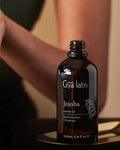
I usually reach for jojoba oil because it absorbs beautifully without making the scrub feel overly rich.
Sweet almond oil and fractionated coconut oil also work well if you prefer a slightly silkier finish.
Step 3: Fold in the Sugar
Slowly add the sugar while stirring continuously.
The mixture should become thick enough to hold its shape but still feel easy to scoop.
If it becomes too stiff, add a small amount of foaming base.
If it feels too loose, simply mix in a little more sugar.
Step 4: Add the Essential Oils
Finally, stir in your essential oils.
Mix thoroughly so the aroma is evenly distributed throughout the scrub.
At this stage, I always stop for a quick smell test.
Sometimes a blend sounds perfect on paper but feels too strong once it's mixed.
That's one advantage of making your own products; you can adjust the fragrance before the scrub ever reaches the jar.
Step 5: Transfer and Store
Spoon the finished scrub into a clean, dry jar and seal it tightly.
Store it in a cool, dry place away from direct sunlight.
Choosing the Right Carrier Oil
Essential oils may provide the fragrance, but the carrier oil does much of the work when it comes to how the scrub feels on your skin.
That's why I spend just as much time choosing the carrier oil as I do selecting the essential oil blend. If you'd like a deeper rundown of every option, our guide to choosing the right carrier oil for your skin type covers it in detail.
Jojoba Oil
Jojoba is my personal favourite for summer scrubs. It's lightweight, absorbs quickly, and leaves skin feeling smooth without a greasy finish — in part because jojoba closely resembles the skin's own sebum.
Sweet Almond Oil
Sweet almond oil creates a silkier texture and works well if your skin tends to feel dry after exfoliating.
Fractionated Coconut Oil
Unlike regular coconut oil, fractionated coconut oil stays liquid year-round. It blends easily with the foaming base and helps create a scrub that's easy to scoop and spread.
Grapeseed Oil
If you prefer an especially lightweight finish, grapeseed oil is another excellent choice. It's one of the oils I often recommend for hot, humid climates because it doesn't feel heavy after rinsing.
Finding the Right Essential Oils
Once the base is ready, it's time for the fun part.
The essential oils you choose can completely change the experience of using your scrub.
Some blends feel bright and energising first thing in the morning.
Others are perfect for slowing down after a long summer day.
Rather than adding lots of different oils, I usually stick with one or two that complement each other well. Simple blends almost always produce the most balanced fragrance.
The Best Essential Oils for a Sugar Scrub
One of the things I enjoy most about making a DIY body scrub with essential oils is customizing the fragrance to match the season.
During summer, I usually gravitate toward bright citrus scents in the morning and softer floral or minty aromas in the evening. Keeping the blend simple; using one or two complementary oils; often creates a more balanced fragrance than trying to mix several oils together.
Here are a few of my favorite options.
Sweet Orange Essential Oil
Sweet orange imparts an upbeat, citrusy fragrance, immediately transforming a scrub into a summer vacation. It's the perfect partner for peppermint and lavender and smells clean but not cloying.
Peppermint Essential Oil
Peppermint adds a crisp, cooling aroma that feels especially refreshing after spending time outdoors. I like using it in morning showers or after workouts when I want something that smells clean and energizing.
Lavender Essential Oil
Lavender is one of the most versatile oils for body care. Its soft floral scent pairs well with almost every carrier oil and creates a relaxing scrub that's perfect for winding down in the evening.
Eucalyptus Essential Oil
The scent of eucalyptus has a refreshingly clean, spa-like feel in a body scrub. My personal favorite scrub is a blend of eucalyptus and peppermint – this makes a wonderfully refreshing blend in the heat of the summer!
Lemon Essential Oil
Lemon has a bright, zesty aroma that works beautifully in body scrubs. However, because some citrus oils can increase the skin's sensitivity to sunlight, I prefer using lemon in evening showers or choosing a steam-distilled version that's suitable for leave-on products.
My Favorite Summer Scrub Blends
Once you've mastered the base recipe, it's easy to create different fragrance combinations.
Morning Citrus
-
6 drops Sweet Orange
-
4 drops Lemon
Bright and cheerful, this blend is a great way to start the day.
Cooling Mint
-
6 drops Peppermint
-
4 drops Eucalyptus
Fresh and invigorating after a workout or time spent outdoors.
Evening Spa
-
6 drops Lavender
-
4 drops Sweet Orange
A softer blend that's perfect for relaxing before bed.
Garden Escape
-
5 drops Lavender
-
3 drops Eucalyptus
-
2 drops Peppermint
Clean, herbal, and refreshing without feeling overpowering.
How to Use Your Foaming Sugar Scrub
A summer body scrub DIY routine doesn't need to be complicated.
I usually use a foaming scrub once or twice a week, depending on how much time I've spent outdoors.
Step 1
Wet your skin with warm water.
Step 2
Scoop out a small amount of scrub using clean, dry hands or a spoon.
Step 3
Massage gently onto damp skin using circular motions, paying extra attention to rough areas like elbows, knees, and heels.
There's no need to scrub aggressively. Let the sugar do the work.
Step 4
Rinse thoroughly with warm water.
Because the scrub contains a foaming base, your skin should feel clean, smooth, and lightly moisturized without needing a second cleanser.
Step 5
Pat your skin dry and apply a moisturizer or body oil if desired.
How to Make Your Scrub Moisturizing, Not Drying
A common concern with exfoliation is ending up with skin that feels tight or dry afterward.
Fortunately, that's easy to avoid.
The key is balancing the exfoliating ingredients with enough moisture.
Here are a few simple tips that have worked well for me:
-
Choose a nourishing carrier oil such as jojoba, sweet almond, or fractionated coconut oil.
-
Avoid using too much soap base, which can make the scrub feel drying.
-
Use fine sugar rather than coarse sugar if your skin is sensitive.
-
Follow up with a lightweight moisturizer after exfoliating if your skin needs extra hydration.
A balanced formula creates an easy sugar scrub recipe for smooth skin without leaving behind an oily residue.
Storage and Gift Ideas
One of the reasons I enjoy making homemade scrubs is that they're just as enjoyable to give as they are to use.
A freshly made homemade sugar scrub recipe can become a thoughtful gift for birthdays, bridal showers, Mother's Day, or holiday gift baskets.
Storage Tips
-
Store it in an air-tight, clean glass jar.
-
Keep water out of the container to help extend its shelf life.
-
Use a clean spoon or spatula rather than dipping wet fingers directly into the scrub.
-
It should be stored in an airy, cool and dry place that receives not a single ray of direct sun.
Under normal conditions, the scrub should stay fresh for about one month.
Making It Gift-Ready
A simple glass jar, ribbon, and handwritten label are often all you need.
You can even create seasonal versions by changing the essential oil blend to suit different times of the year.
A Quick Note About Citrus Oils and Sun Exposure
Many people love adding citrus oils to body care products, and for good reason; they smell bright, fresh, and perfect for summer.
However, some cold-pressed citrus essential oils can increase the skin's sensitivity to sunlight.
If you're planning to spend time outdoors after using a scrub, it's worth checking whether your chosen citrus oil is considered phototoxic. When in doubt, use citrus-based scrubs in the evening or choose steam-distilled citrus oils that are generally considered a better option for leave-on skincare products.
It's a simple precaution that can help you enjoy your DIY creations more confidently.
Related Reading
A scrub is one step in a summer skin routine. For the classic oil-based version, see our DIY body scrub with essential oils; to moisturize after exfoliating, try our lightweight summer body oil; and for post-swim care, our guide to swimmer's skin pairs nicely.
Final Thoughts
Making a DIY foaming sugar scrub is one of the simplest ways to upgrade your summer body care routine.
With just a few ingredients, you can create a scrub that gently exfoliates, lightly cleanses, and leaves your skin feeling soft without the heavy residue that some traditional scrubs can leave behind.
There have been numerous occasions in which I've tried various different DIYs but ultimately, I've returned to the one in which the recipe can easily be tailored, is so pleasurable to work with, and yet so easy that I can whip it up fresh as required whether for yourself, or to create as gifts.



,%202%20tablespoons%20carrier%20oil,%20and%2010%20drops%20of%20essential%20oil.%20The%20foaming%20base%20crea...)