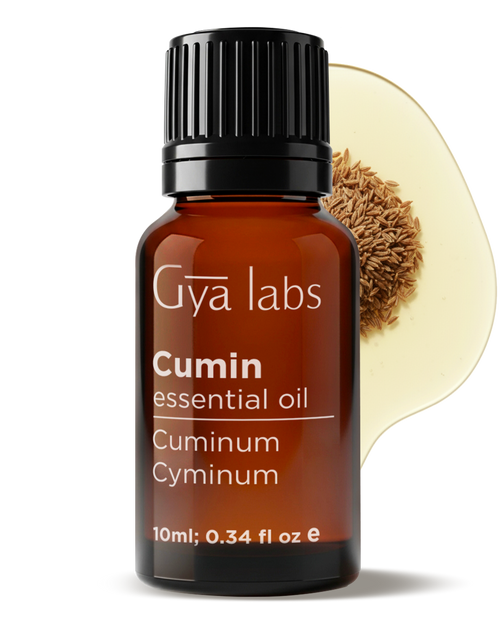
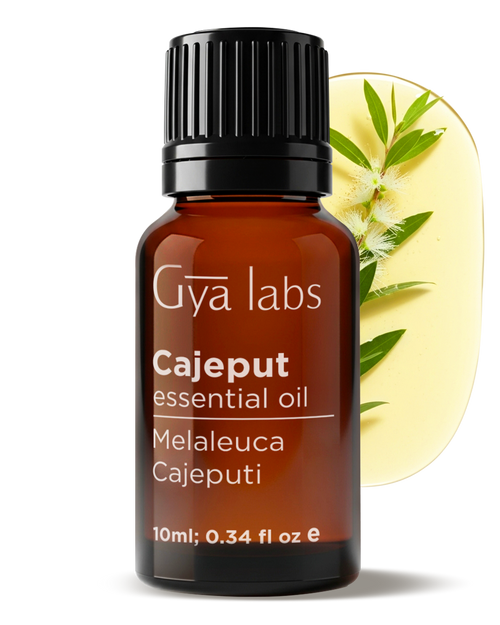
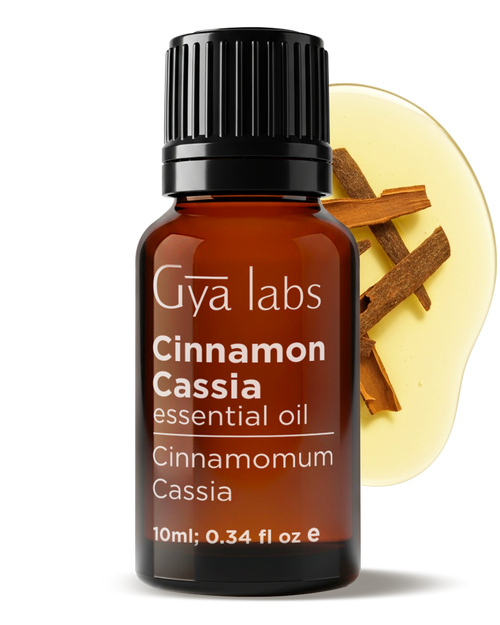
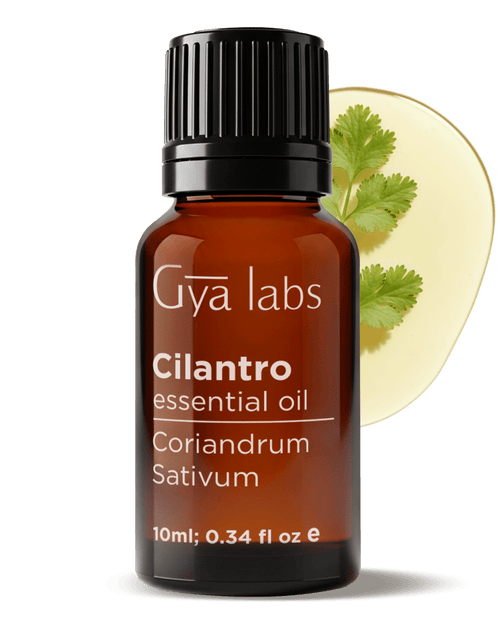
This is the full range in one grid: every single oil we distil, the certified organic versions where we make them, and the ready mixed blends. If you know the oil you want, it is here. If you are still deciding, the range is sorted by scent family so you can work across a group rather than through an alphabet.
Everything here is a single botanical or a fixed blend, bottled at 10ml as standard. Around twenty of the most used oils are also available in 118ml, which is the size to buy once you know you like something. Rare florals like jasmine and blue tansy come in 5ml, because of what they cost to produce.
Why Bottle Sizes Differ
This is the question the range raises and almost nobody answers, so here it is plainly.
Most oils here are 10ml, which suits how people actually use them: a few drops at a time, finished within a year or two. The oils that come in 118ml are the ones people go through fastest, mostly the citrus, the mints and the workhorses like rosemary, tea tree and eucalyptus. If you diffuse the same oil every day, the large bottle is the sensible buy.
At the other end, jasmine, helichrysum and blue tansy come in 5ml. That is not a sample size, it is the standard trade size for those oils, and it is about what they cost to produce. Jasmine is not distilled at all in the usual sense, and it takes an enormous weight of flowers picked by hand before dawn to yield very little. A small bottle of jasmine is not a trial, it is a purchase.
Finding Your Way Around The Range
The woods and resins. Sandalwood is the smoothest of them, creamy and softly sweet, which is what separates it from cedarwood. Cedarwood is drier, sharper and more like a pencil shaving. If you have been comparing the two, our cedarwood and sandalwood guide sets them side by side, and the sandalwood uses guide goes further on that one oil. Frankincense and myrrh are resins rather than woods, tapped from bark rather than distilled from timber, and both read as incense rather than forest.
The florals. Rose otto is the steam distilled rose, lighter and greener than a rose absolute, and it is the most refined floral in the range. Jasmine and neroli sit alongside it at the same end of the price list, for the same reason.
The sweet and the resinous. Vanilla is not technically an essential oil. Vanilla pods cannot be steam distilled without losing what makes them smell like vanilla, so what you are buying is an oleoresin, solvent extracted, thicker and darker than the oils around it. Anyone selling a steam distilled vanilla essential oil is selling something else.
The citrus and the everyday. Bergamot, sweet orange, lemon, grapefruit, lemongrass, peppermint, lavender, eucalyptus, tea tree. These are the ones most people own, most people use daily, and most of the 118ml bottles.
Singles, Organics And Blends
Three kinds of thing share this grid and they are not interchangeable.
A single oil is one plant, distilled. You control what it goes with. An organic is the same species and the same distillation, grown and processed to certified organic standards, so the aroma matches the standard version and the certification is the difference. A blend is several oils combined in fixed proportions, so you open it and use it without deciding anything.
If you want to build your own combinations, start with single essential oils. If you want to open a bottle and diffuse it, start with a blend.
How To Choose From A Range This Size
- Pick a scent family, not a product. Woody, floral, citrus, herbal, resinous, minty. It is far easier to decide you want something woody and then choose between sandalwood and cedarwood than to scan a hundred names.
- Buy 10ml first, 118ml second. Even at your third bottle of the same oil, the large size only makes sense once you are certain.
- Check the botanical name, not just the common one. Lavender, cinnamon and cedarwood all cover several different plants that smell meaningfully different. Every product page names the species.
- Newer to this? Our new arrivals are the easiest place to find something you have not tried.
Trusted Quality Standards
Every product page in this range names the plant the oil came from, the part of the plant it was distilled from and where it was sourced. That matters more in a range this large than in a small one, because the same common name can cover several different species. Knowing to check is most of the skill.
Safe Use
Everything in this range is a concentrated essential oil and needs diluting in a carrier oil before skin contact, with a patch test first. Cinnamon bark and clove bud need considerably more dilution than the rest. Cold pressed citrus oils can make skin more sensitive to sunlight. Our safety and dilution guide has the ratios.