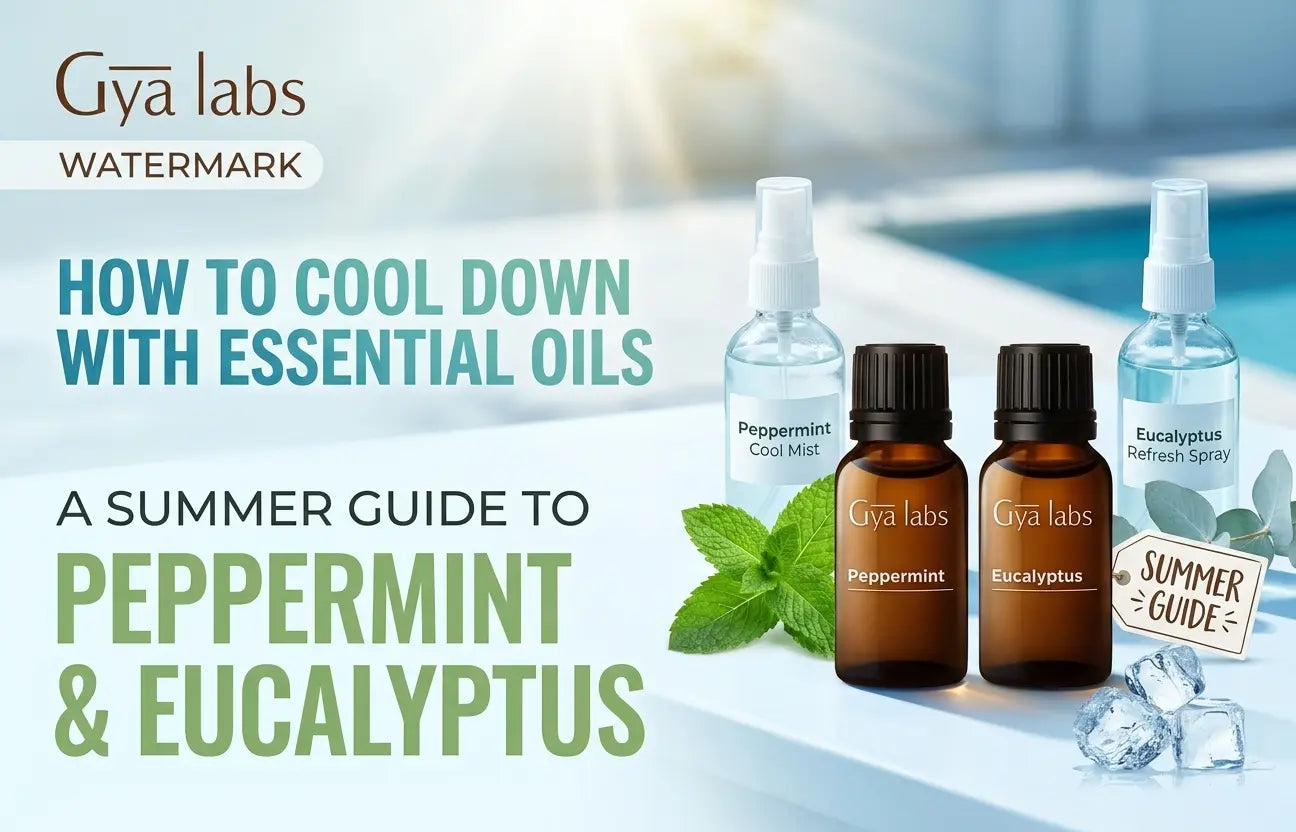



To make a DIY aloe gel, combine ½ cup pure aloe vera gel with 3 drops of peppermint essential oil and 3 drops of lavender essential oil. Mix thoroughly, transfer to a clean airtight container, and refrigerate for up to two weeks. Apply a small amount to clean, hot, or sun-exposed skin whenever you want a refreshing cooling sensation.
A quick note on focus
This recipe is for an everyday cooling gel to reach for on hot days — after gardening, a warm walk, or a workout. If you're specifically dealing with sunburn, our dedicated guide to the best essential oils for sunburn is the better place to start, and if you'd prefer a spray, see our DIY after-sun cooling spray.
Why Make Your Own Cooling Aloe Gel?
Some of my favorite summer recipes aren't the most complicated ones—they're the ones I actually use.
This cooling aloe gel is a perfect example.
Every summer, I keep a small jar in the refrigerator because it comes in handy far more often than I expect. Whether I've spent the afternoon gardening, walked home in the heat, or simply feel warm after a long day outside, reaching for a chilled aloe gel has become part of my routine.
What I like most is how easy it is to customize.
Instead of relying on products with long ingredient lists, you can make a homemade cooling gel using just a few carefully chosen ingredients. Aloe vera provides a lightweight base, while essential oils add fresh botanical aromas that make the experience feel even more refreshing.
Another advantage is that you control exactly what goes into the recipe. If you prefer a stronger minty aroma, you can slightly adjust the blend within safe dilution limits. If floral scents are more your style, lavender can take the lead.
Simple recipes like this remind me that skincare doesn't always have to involve expensive products or lengthy routines. Sometimes a handful of quality ingredients is all you need.
The Best Ingredients for a Cooling Aloe Gel
A good cooling gel isn't about using lots of ingredients. It's about choosing ingredients that work well together.
Here's what I reach for most often.
Aloe Vera Gel
Aloe vera is the foundation of this recipe.
Its lightweight texture spreads easily across the skin without leaving behind a greasy residue, making it ideal for warm weather. I recommend using pure aloe vera gel with as few added ingredients as possible so the finished gel stays light and refreshing.
Because aloe absorbs quickly, it also makes an excellent base for essential oils.
Peppermint Essential Oil
If there's one ingredient that gives this recipe its refreshing feel, it's peppermint.
Just a few drops create a crisp, cooling aroma that instantly makes the gel feel more invigorating straight from the refrigerator.
I've tried various amounts over the years and I prefer using only a few drops of peppermint. This way, the overall mixture is refreshing but not so much that the peppermint takes over the mix.
Lavender Essential Oil
Peppermint brings freshness.
Lavender brings balance.
Its soft floral aroma rounds out the blend beautifully and keeps the finished gel from smelling too sharp or minty.
I especially enjoy using this combination in the evening after spending time outdoors. The peppermint feels refreshing, while the lavender adds a calmer, more relaxing aroma.
Optional: Jojoba Oil
If your skin ever feel dry after being outside, a tsp of Jojoba oil makes the gel just a tad more nourishing without it feeling greasy.I don't always use it – in fact, in humid conditions I'd rather not – but it's a nice thing to do when the skin feels a little needy.
Quick Comparison of the Main Ingredients
|
Ingredient |
Why It's Included |
Best For |
|
Aloe Vera Gel |
Lightweight cooling base |
Everyday summer skincare |
|
Peppermint Essential Oil |
Crisp, refreshing aroma |
Cooling daytime blends |
|
Lavender Essential Oil |
Soft floral aroma |
Evening routines and relaxation |
|
Jojoba Oil (Optional) |
Adds lightweight moisture |
Dry or dehydrated skin |
One thing I've learned after making this recipe countless times is that you don't need dozens of ingredients to create something effective. Aloe vera does most of the work, while peppermint and lavender simply enhance the overall experience.
There's a reason that minty coolness feels so immediate. The menthol in peppermint activates a skin receptor called TRPM8 — the same cold-sensing receptor triggered by a cool breeze — which is why menthol produces a subjective sensation of cold even when your skin temperature has barely changed. Chilling the gel in the fridge simply adds to that effect.
Why These Ingredients Work Well Together
One mistake I see in many DIY recipes is trying to include every essential oil on the shelf.
More ingredients don't automatically create a better recipe.
In fact, they often make it harder to appreciate what each ingredient contributes.
Peppermint and lavender just seem to go well together. The sharp clean coolness of the peppermint is balanced and sweetened with the gentle Floral of lavender and the Aloe is a fresh light foundation that allows the two essential oils to bloom and not overpower the skin.
That's one reason I continue coming back to this recipe year after year.
It's simple.
It's reliable.
And because it only takes a few minutes to prepare, I'm much more likely to make a fresh batch whenever I need one.
Before You Start
Before mixing your aloe vera gel with essential oils, it's worth taking a minute to prepare everything.
Use clean utensils, a sterilized glass jar or airtight container, and fresh aloe vera gel. Taking a little extra care at the beginning helps the finished gel stay fresh for longer.
Additionally, I suggest blending the essential oils with the aloe vera very well before putting the gel in its final storage container. Doing so helps disperse the essential oils evenly and you won’t have areas that have the oils highly concentrated near the top.
Once everything is ready, the recipe comes together in just a few minutes.
DIY Cooling Aloe Gel Recipe
Now for the fun part.
I've made this recipe countless times over the years, and it's become one of those summer staples I rarely go without. It takes less than ten minutes to prepare, uses only a handful of ingredients, and keeps well in the refrigerator, making it easy to have on hand whenever your skin needs a little extra care.
Whether you're looking for a DIY after sun gel, a cooling gel for sun-exposed skin DIY project, or simply want to know how to make cooling gel at home, this recipe is a great place to start.
Ingredients
- ½ cup pure aloe vera gel
- 3 drops Peppermint Essential Oil
- 3 drops Lavender Essential Oil
- 1 teaspoon jojoba oil (optional, for extra moisture)
- Sterilized glass jar or airtight container
Instructions
Step 1: Prepare your container
Wash and dry any mixing tools or containers you’ll be using to make your gel, as clean supplies will ensure a longer shelf life.
Step 2: Add the aloe vera gel
Place the aloe vera gel into a clean mixing bowl. If you're using jojoba oil, add it now and stir until fully combined.
Step 3: Blend in the essential oils
Add the peppermint and lavender essential oils. Stir slowly for one to two minutes until the oils are evenly dispersed throughout the gel.
Step 4: Transfer and store
Spoon the finished gel into a sterilized jar or airtight container. Seal it tightly and place it in the refrigerator.
That's it.
No complicated techniques.
No special equipment.
Just a simple recipe that comes together in a few minutes.
How to Use Your Cooling Aloe Gel
One of the things I like most about this recipe is how versatile it is.
After years of making it, I've found myself reaching for it in all sorts of situations—not just after spending time in the sun.
Here are a few ways I use it throughout the summer:
-
After gardening or yard work
-
Following a walk on a hot afternoon
-
After a beach or pool day
-
As a refreshing pick-me-up after exercise
-
Whenever my skin simply feels warm and needs a cooling boost
Because the gel is stored in the refrigerator, it feels especially refreshing when applied straight from the jar.
I usually smooth a thin layer over clean skin and allow it to absorb naturally without rubbing too vigorously.
If you're putting together a complete after-sun routine, Best Essential Oils for Sunburn explores additional botanical ingredients that pair well with cooling skincare recipes.
Storage and Shelf Life
Homemade skincare products don't contain the preservatives found in many commercial products, so proper storage is important.
I always keep this gel refrigerated.
Not only does refrigeration help extend its freshness, but it also makes the gel feel even more cooling when applied.
Storage Tips
- Store in a clean, airtight glass container.
- Keep refrigerated whenever possible.
- Use clean hands or a cosmetic spatula when removing products.
- Discard the gel if you notice any changes in smell, color, or texture.
How Long Does It Last?
When prepared with fresh ingredients and stored in the refrigerator, this homemade after sun gel recipe typically stays fresh for up to two weeks.
I usually make smaller batches rather than one large jar. It's quick to prepare, and smaller batches help ensure the ingredients stay at their best.
Safety and Dilution
Even simple DIY recipes deserve a few safety reminders.
Essential oils are highly concentrated, which is why a little goes a long way.
Stick to Safe Dilution Levels
For this recipe, six drops of essential oil in half a cup of aloe vera gel creates a gentle dilution suitable for most adults.
Adding more isn't necessarily better.
In fact, using too much essential oil may increase the likelihood of skin irritation.
Patch Test First
Whenever I try a new recipe—or even switch to a different brand of essential oil—I do a quick patch test first.
It's a small step that can save you from an unpleasant reaction later.
Apply a small amount to the inside of your forearm and wait 24 hours before using it more widely.
Can You Use It on Your Face?
If you plan to use the gel on your face, avoid the eye area and introduce it gradually.
Facial skin is often more sensitive than other areas of the body, so it's worth taking a little extra care.
Is It Safe for Children?
Children's skin can be more sensitive to essential oils than adults.
If you're making a version for children, use lower dilution rates and consult a healthcare professional if you're unsure which oils are appropriate for their age.
Final Thoughts
Some DIY recipes look impressive but end up sitting in the back of a cupboard after one use.
This isn't one of them.
I've been making variations of this DIY aloe gel for years because it's simple, practical, and genuinely useful throughout the warmer months. It’s so simple to make in minutes, has very easily accessible ingredients and having a cool jar waiting in the fridge ready to go whenever you may need it comes in handy during summer time.
So if you’re on a quest for homemade cooling gel for hot afternoons or adding it to your regular summer skincare routine, starting with a small batch is a great way to see what works best for your skin. Sometimes the simplest recipes are the ones you come back to year after year.